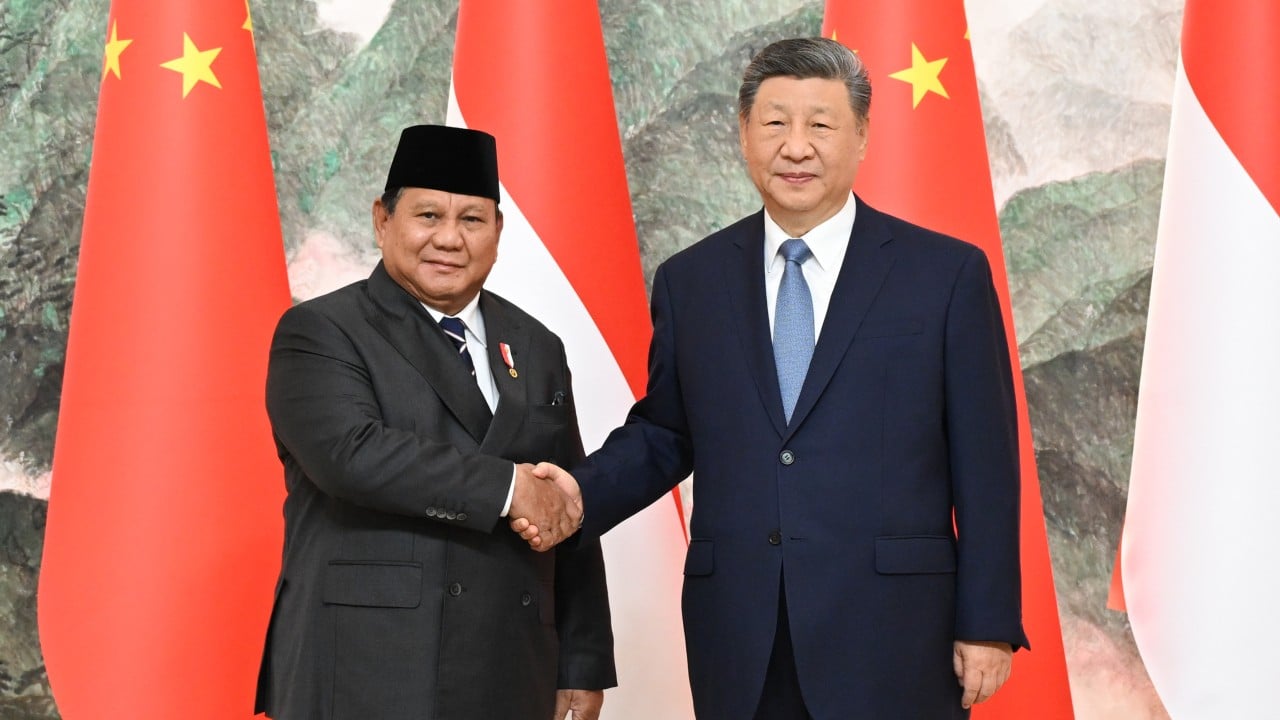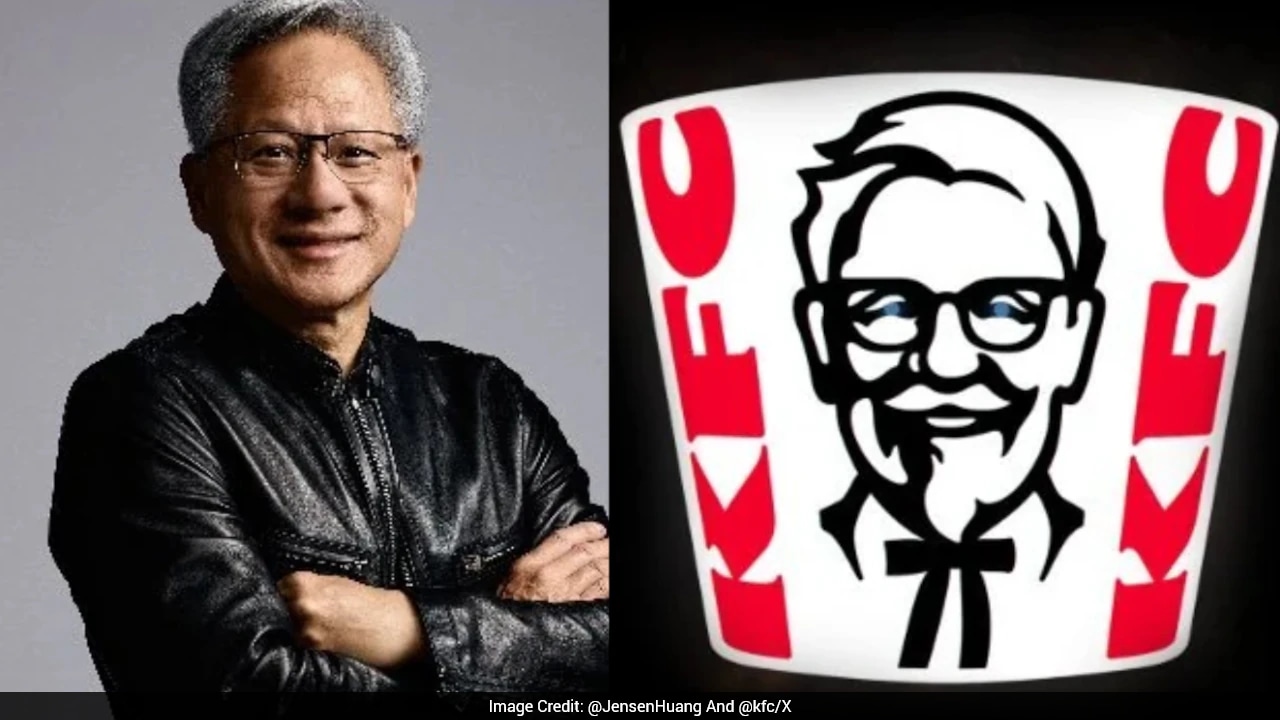
KFC's viral quip about Jensen Huang taking a week off to play GTA is hilarious, sure, yet treating an 11-day executive whiplash as a gaming vacation misses everything that actually moved markets.
On November 12, 2026, Jensen Huang stepped down as Nvidia CEO and board director amid reports over personal relationships, including allegations tied to a woman suspected by US authorities of links to Chinese intelligence. CFO Colette Kress stepped in as interim CEO. Eleven days later, on November 23, Nvidia's board voted unanimously to reinstate Huang as president and CEO after consulting senior US government officials and concluding his return posed no national security risk.
Internet jokers immediately framed the whole saga around Grand Theft Auto 6, with KFC joining the pile-on by joking that he basically took a week off to play GTA. Other posts mocked his framerate or claimed he wrapped up Vice City before heading back to headquarters. It's peak internet humor. Honestly, it's also a convenient distraction from a boardroom reversal that sent Nvidia shares jumping roughly 31% on Monday to close at $165.05.
Why the KFC GTA Joke Stuck So Fast
Brand accounts live for moments like this because the timing lined up almost too neatly. Huang vanished from the top job right as Grand Theft Auto 6 dominated gaming talk, then popped right back into the chair less than two weeks later.
People love a punchline that turns messy corporate drama into something relatable. Everyone gets wanting a quiet week on the couch with a huge new release. Compare that to reading board governance filings or export-control updates, and a fried-chicken account landing a clean joke wins the timeline every time.
Still, there's a real catch with meme-driven summaries. A joke flattens real stakes into a cartoon. While social feeds laughed about frame rates and side quests, Nvidia reported $115.8 billion in quarterly revenue on November 17—including $107.6 billion from data centers—and Kress projected roughly $130 billion in fourth-quarter revenue. That isn't background noise. That's hundreds of billions of dollars in expectations riding on leadership stability.
What Actually Happened Between November 12 and November 23
If you only read headlines built around KFC's post, you might think Huang simply took a breather and walked back in. That's not how it went down.
During Nvidia's earnings call the week after his exit, board chair Harvey C. Jones pointed to personal behavior inconsistent with the company's code of conduct, standards, and cultural norms, and indicated the board didn't plan to reinstate him. Huang himself issued a statement acknowledging personal mistakes and pledging cooperation with an independent board investigation.
Then the pressure shifted fast. Public calls from figures like President Donald Trump—who backed Huang's return on Truth Social—alongside discussions with senior US officials changed the board's calculus. Elon Musk also welcomed the reversal on X. When Huang walked back into Nvidia headquarters on November 23, staff cheered, and he promised to be a better CEO.
Here's the part most viral posts skip: reinstatement didn't wipe the slate clean. An independent director committee with outside counsel is still investigating the foreign intelligence reports, Nvidia is searching for a new Chief Compliance Officer, and Huang along with general counsel Tim Teter are slated to meet with US House committees behind closed doors on December 1 and 2.
Founder Comebacks and the Governance Tradeoff
Looking at corporate history, reversing an ouster isn't brand new—it's just rarely this fast. Analysts comparing the moment to famous comebacks like Steve Jobs at Apple, Bob Iger at Disney, or Sam Altman at OpenAI point out a recurring pattern: boards often reach back for a founder or longtime leader when crisis hits.
In my view, that's where things get uncomfortable for everyday investors and operators. Executive search leader Josh Crist of Crist Kolder Associates noted how unusual and striking the board's abrupt U-turn looked, while leadership advisor Irene Ortiz-Glass warned that brushing past code-of-conduct breaches sends a tough message about accountability versus share-price pressure.
You can hold two thoughts at once. You can recognize how much market value investors attach to Huang's technical vision while still questioning how a board reverses itself in eleven days under intense external heat. Ignoring governance friction just because the stock spiked is a classic mistake in tech coverage.
Common Misconceptions People Have About This Story
A few quick myths keep popping up around the internet:
- The comeback settled every investigation. It didn't. Independent board oversight, compliance hiring, and congressional questions on December 1 and 2 are still ahead.
- Colette Kress was pushed out. She wasn't. She stepped up as interim CEO during the turbulence and remains CFO overseeing Nvidia's massive balance sheet and fourth-quarter forecast.
- GTA 6 had anything to do with his schedule. Obviously not. That's pure meme fodder sparked by the timing of his exit and return.
Practical Next Steps If You Follow Nvidia or Tech Markets
If you're tracking Nvidia as an investor, builder, or industry watcher, don't trade or form opinions off a KFC tweet. Take these concrete steps instead:
- Read primary company releases first. Check Nvidia's newsroom announcement for exact board governance and compliance commitments before reacting to second-hand social clips.
- Track the Q4 execution numbers. Watch whether Nvidia delivers on Kress's roughly $130 billion fourth-quarter revenue outlook and 71% to 72% gross margin range rather than chasing single-day headline spikes.
- Watch the December congressional dates. Keep an eye on reporting around the December 1 and 2 House committee meetings and any updates from the independent board review.
- Separate memes from fundamentals. Enjoy the GTA jokes for what they are—internet entertainment—while judging the business on margins, customer deployments, and regulatory clarity.