When a dawn strike hits Gaza City and Hamas says the leader's last surviving son walked away alive, nobody in the region treats that as routine war noise. Honestly, it's a signal.
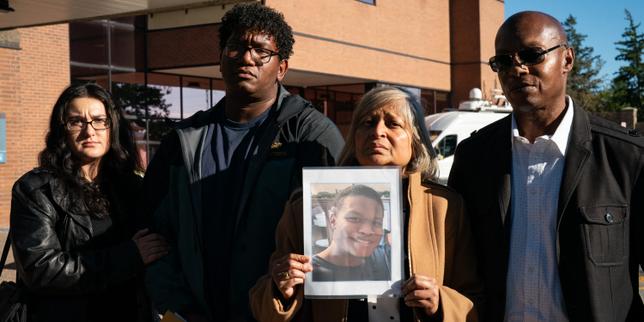
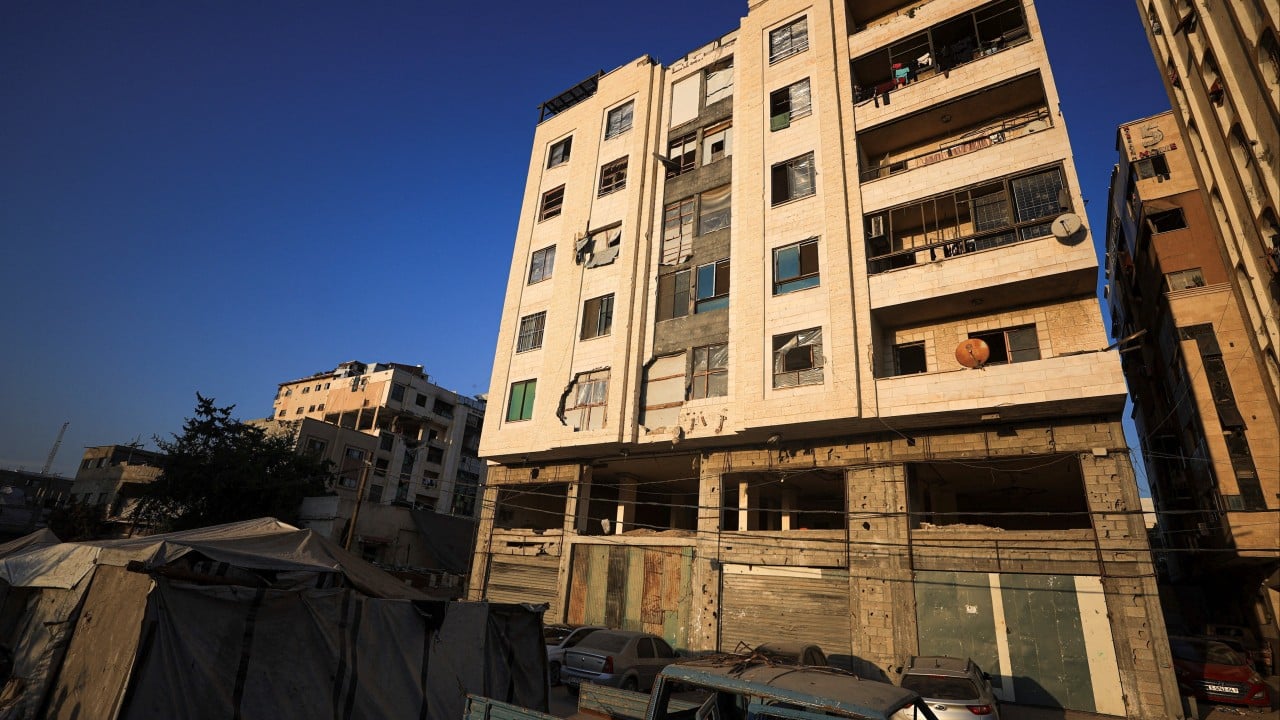
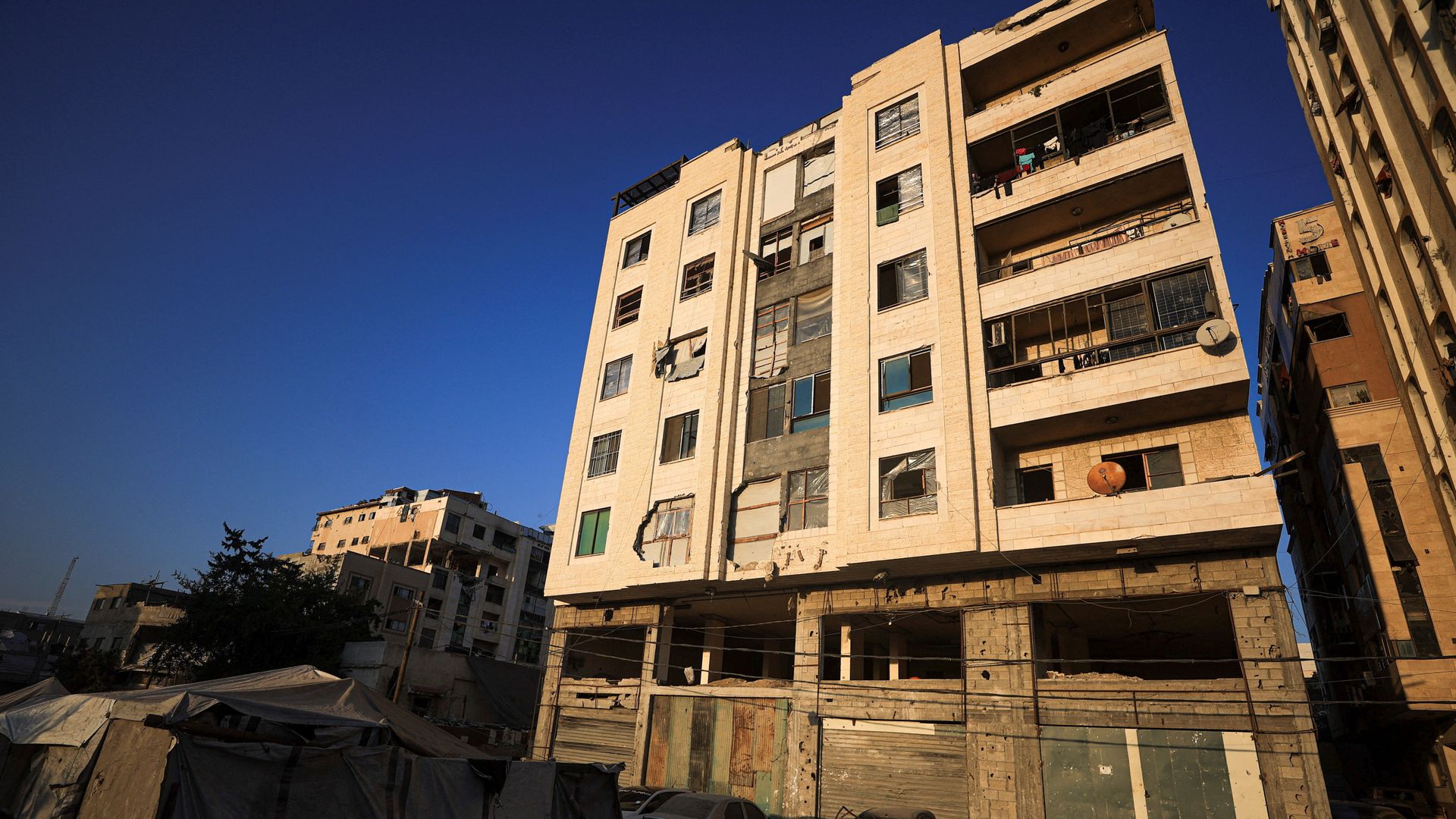
On Friday, November 27, 2026, senior Hamas official Basem Naim told Reuters that Izzeldeen al-Hayya, the son of Hamas political chief Khalil al-Hayya, survived an Israeli airstrike along with his family. Several people were wounded in the strike, including a family member or child depending on the initial dispatch, while no deaths were reported from that specific hit. The Israeli military didn't offer an immediate comment.
I couldn't load the exact Sky News page directly because of site access restrictions, so this piece draws on verified wire dispatches and broader reporting around the November 27 strike rather than guessing at what one outlet wrote. Still, the core story is clear enough. A strike targeted the family circle of Hamas's top political figure, and he survived.
If you're following this headline because you want to understand what actually changed on the ground, don't stop at "nobody died in the strike." Look at who Khalil al-Hayya is, why targeted strikes against relatives hit so hard politically, and how fog-of-war claims work in the first few hours after an explosion.
What Happened in Gaza City and Why It Draws Attention
Let's get the basics straight first. According to statements attributed to senior Hamas official Basem Naim on November 27, 2026, Izzeldeen al-Hayya—born in 1997 and described as Khalil al-Hayya's last surviving son—escaped a dawn strike in Gaza City with his family. Hamas sources reported injuries among relatives, with no fatalities confirmed from that strike at the time of initial reporting, while Israel's military hadn't issued a public response.
Why does a single strike on a political leader's son travel across international news wires so fast? Because leadership families in Gaza aren't just private households in the eyes of intelligence services or political analysts. They sit right at the intersection of personal grief, succession, and psychological pressure.
Khalil al-Hayya isn't a mid-level spokesperson. He's a founding figure in Hamas who became chairman of the movement's political bureau in July 2026, stepping into the top slot after Yahya Sinwar was killed by Israeli forces in 2024. Before taking the formal chair, al-Hayya spent years as a central negotiator and figurehead, and he has already lived through multiple attempts on his own life, including a September 2025 strike in Qatar that he survived.
When a strike hits near or targets the family of the movement's overall chief just a day after al-Hayya warned about Israeli strikes in Gaza, the timing speaks volumes. Even without an official Israeli statement in the immediate aftermath, the message is unmistakable. Nobody inside Hamas's top orbit is treated as untouchable.
Targeted Strikes on Leadership Families Carry Heavy Political Weight
In modern Middle East conflicts, military campaigns rarely limit themselves to uniformed fighters in trenches. Intelligence agencies look for command networks, couriers, safe houses, and family ties that connect exiled or underground leaders with operatives inside Gaza.
From a purely tactical standpoint, targeting relatives or family compounds is often justified by militaries as hitting nodes in an organizational web or exploiting rare intelligence windows. From a political standpoint, it cuts two ways.
First, it creates immense pressure on the leader. Imagine trying to make strategic decisions, manage faction negotiations, or project calm while worrying whether the next strike hits your own household. That strain is real, and commanders know it.
Second, it feeds a powerful narrative for the group under attack. When Hamas officials emphasize that Izzeldeen is Khalil al-Hayya's last surviving son—after earlier strikes killed other sons and relatives over the years—they aren't just sharing family tragedy. They're framing the conflict as existential and personal, rallying supporters and pressing regional mediators.
I've watched coverage of similar strikes for years, and the biggest mistake readers make is treating the initial claim from either side as the whole truth. Early numbers of wounded, exact locations, and whether a specific person was the intended target almost always shift over the first 24 to 48 hours.
How to Read Conflicting Claims During Active Strikes
When news breaks early in the morning in Gaza, information arrives in fragments. A local source says a residential apartment was hit. A Hamas official calls it an assassination attempt and lists who survived or got hurt. The Israeli military either stays quiet at first, issues a broad operational note, or later explains what target it aimed at.
Silence from one side doesn't automatically prove or disprove the other side's account. Sometimes militaries hold back comment while operational assessments are still underway. Sometimes they choose not to confirm details about specific intelligence or near-misses.
Here is a practical way to separate signal from noise when you see a headline like this:
- Check who is speaking and what they stand to gain. A statement from a senior Hamas official like Basem Naim tells you what Hamas wants on the record—specifically survival, resilience, and a narrative of repeated family loss. It doesn't mean the operational details are independently verified yet.
- Watch for corroboration across independent wires. Agencies like Reuters and major international newsrooms cross-check statements against multiple sources and local reporting before publishing updates.
- Separate survival claims from injury and damage counts. Saying someone survived a strike is a clear claim; exact casualty counts and structural damage assessments take longer to settle.
- Keep track of the broader timeline. A strike on November 27 doesn't happen in a vacuum. Look at what happened in the preceding days—such as warnings over strikes in Gaza or ongoing faction talks—to see how the event fits into the week's escalation cycle.
Why Khalil al-Hayya's Leadership Trajectory Matters Here
To understand why this strike drew immediate global coverage, you have to look at how much weight rests on Khalil al-Hayya's shoulders in late 2026.
For years, outside observers often viewed al-Hayya through the lens of diplomacy and regional mediation, especially given his role in talks involving Egypt, Qatar, and international interlocutors. Yet his rise to lead Hamas's political bureau in July 2026—succeeding Yahya Sinwar—placed him squarely at the center of a battered, high-stakes movement trying to navigate military pressure, internal coordination with other Palestinian factions, and shifting regional dynamics.
Analysts and researchers who track militant organizations and regional security—including institutions like the International Institute for Strategic Studies and major international press outlets—regularly point out that leadership transitions under wartime conditions are brutal. Leaders have to juggle survival, communication security, money and logistics, and political messaging all at once.
When an airstrike hits close to home for the person holding that seat, it tests both personal endurance and organizational cohesion. Does the leadership tighten security even further? Does it push for sharper retaliation? Does it harden its posture in talks? Those questions matter far more over the coming weeks than a single morning's headline.
Common Misconceptions About Headlines Like This
Whenever a major conflict story trends, a few predictable misconceptions pop up in social feeds and quick summaries. Let's clear them up directly.
Misconception 1: "Survived" means the strike had no impact.
Not necessarily. Even if no deaths occur in a strike, injuries to family members, destroyed property, and severe security disruption still carry real weight. Politically, surviving a strike is often spun as proof of resilience, while the strike itself still signals reach and intent.
Misconception 2: No immediate Israeli comment means the story is fake.
Not at all. Delayed or absent comment happens frequently during active operations or sensitive targeting reviews. Lack of an instant official statement just means you don't have the Israeli side's explanation yet.
Misconception 3: A strike on a political leader's relative automatically changes the war overnight.
Single strikes rarely flip a conflict on their own. They add pressure, shape rhetoric, and feed cycles of warning and response, but broader military realities, diplomatic channels, and regional politics drive the bigger trajectory.
Practical Next Steps for Following This Story
If you want to stay sharp on this development without getting pulled into rumor mills or repetitive clickbait, take a few straightforward steps over the next day or two:
- Follow wire updates for 24 to 48 hours. Watch for follow-up reporting from Reuters, AP, or major international desks that confirms injury details, official responses, or any broader strikes in Gaza on the same day.
- Track official statements from both sides separately. Compare what Hamas officials say about the strike and any planned response against any subsequent Israeli military statements or regional mediator reactions.
- Look at regional context, not just the single incident. Pay attention to diplomatic activity involving Egypt, Qatar, and other actors, as well as statements from other Palestinian factions, to see whether this strike triggers wider escalation or stays contained.
- Bookmark reliable reference sources. Keep an eye on established news organizations and security research groups rather than unverified social media accounts when evaluating claims of strikes, casualties, or leadership movements.