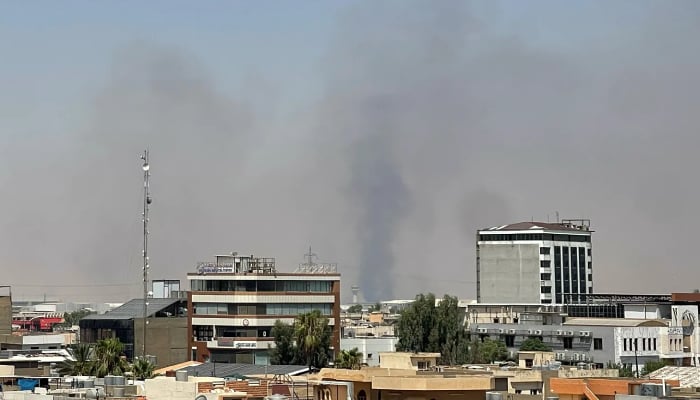
The brief silence across the Dnipro River is over. When a rare localized truce in the Kherson region came to an end on Sunday evening, it closed a rare window of humanitarian relief for civilians trapped in the frontline city of Oleshky.
Brokered to allow emergency evacuations and supply drops for roughly 2,000 remaining residents, the agreement offered a temporary break from relentless drone warfare. But with Russia refusing any extension, the reality of trench warfare is back with full force. If you enjoyed this article, you should look at: this related article.
Let's look at what actually happened during this pause, why it fell apart, and what the return to open hostilities means for the southern front.
Inside the Oleshky Evacuations
For a few days, Oleshky saw something miraculous. Families divided by the frontline reunited. Civilians who had spent months hiding without basic utilities, clean water, or electricity finally had a choice: evacuate toward Ukrainian-controlled territory, move deeper into Russian-held zones, or stay put with fresh emergency supplies. For another look on this story, see the latest coverage from Al Jazeera.
Human rights ombudsman Dmytro Lubinets called the arrangement an important step for humanitarian efforts. Local aid groups worked around the clock. Yet, military analysts noted that truces in active war zones rarely serve purely altruistic purposes.
The Military Reality Behind the Pause
Wars don't pause for long out of kindness. Frontline observers pointed out that both sides used the quiet window to address critical operational needs.
Russian forces utilized the break to rotate exhausted, hungry garrison units out of Oleshky and reinforce defensive networks. Meanwhile, Ukrainian forces prepared for the inevitable resumption of hostilities. As soon as the deadline passed, the underlying dynamics snapped right back into place.
You cannot freeze a high-stakes territorial conflict with a five-day local agreement. Trust is practically non-existent.
Broader Frontline Pressures
The collapse of the Kherson truce doesn't happen in a vacuum. It coincides with surging tensions across multiple vectors. Russian drone and missile strikes continue to hammer civilian infrastructure, targeting energy grids and leaving thousands dealing with rolling blackouts as winter approaches.
At the same time, broader diplomatic pressures involving international actors like the United States add layers of complexity to how Kyiv and Moscow manage military operations. Despite calls for restraint, strategic counter-operations remain active, proving that local pauses are anomalies rather than a sign of broader de-escalation.
What Comes Next for Kherson
With the brief humanitarian corridor officially shut, life for civilians remaining in contested zones like Oleshky returns to survival mode. Local cultural initiatives, such as theater performances pushing forward in Kherson city, attempt to maintain a sense of unity and psychological resilience, but the physical danger is compounding daily.
Expect no new localized truces anytime soon. Both militaries are re-engaging with heightened urgency as winter weather closes in, turning the muddy Kherson sector back into a grueling battle of attrition.
Prepare for intensified drone patrols and defensive skirmishes along the Dnipro banks. The brief exception has expired.
Don't wait for another humanitarian window to check on front-line realities. Support verified aid organizations operating in southern Ukraine right now to help civilians facing the harsh winter ahead.