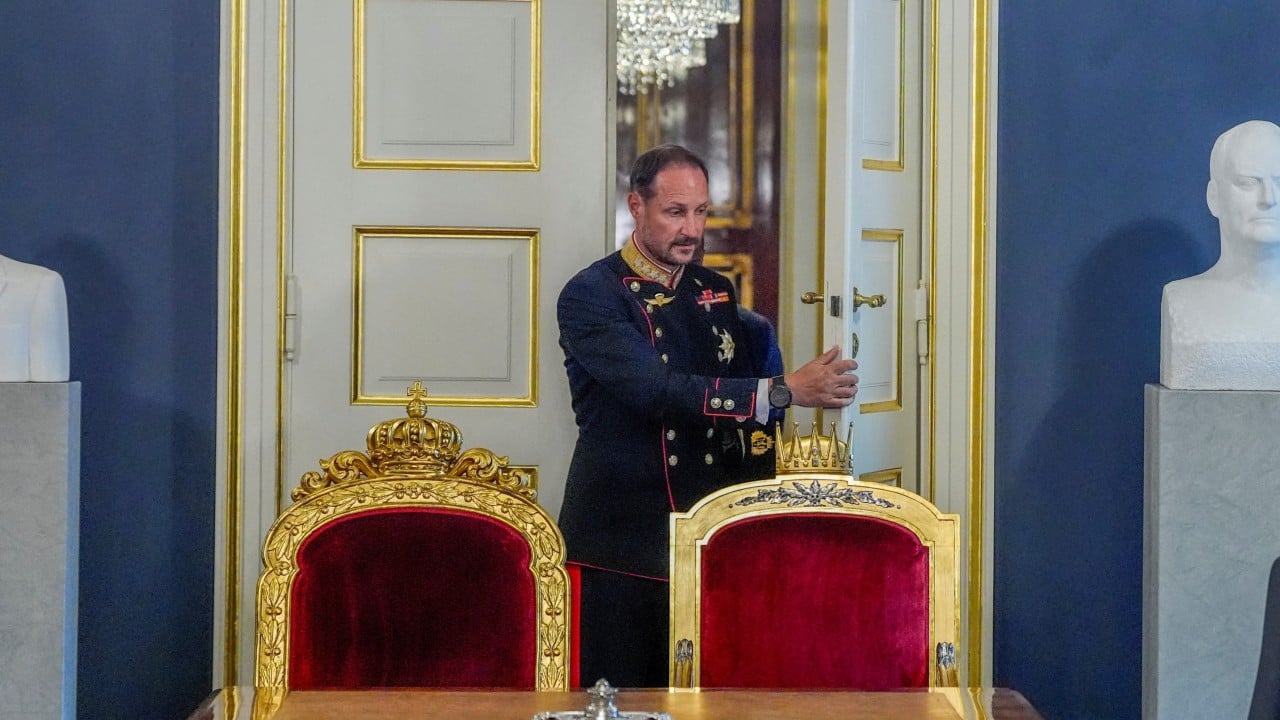
The Norwegian monarchy just entered uncharted territory. When King Harald V passed away at age 89 following a 35-year reign, the crown instantly passed to his son, who is now reigning as King Haakon VIII. Mourning citizens have flooded the streets of Oslo, leaving oceans of flowers outside the royal palace while international leaders prepare to pay their respects.
Yet, beneath the collective grief lies a heavy question. How do you step into the shoes of Europe's most beloved down-to-earth king?
The Weight of a 35-Year Legacy
Harald V wasn't just a constitutional figurehead. He functioned as an emotional anchor for the entire Scandinavian nation. During his three decades on the throne, he steered Norway through massive cultural shifts, economic booms, and moments of profound national trauma. People loved him because he felt accessible. He laughed easily, drove his own cars when he could, and famously championed an open, tolerant society that welcomed all citizens.
When Harald died peacefully in his sleep at Oslo University Hospital, the country lost a father figure. Prime Minister Jonas Gahr Støre put it bluntly when he noted that Harald helped Norwegians see the best in themselves.
That leaves the newly proclaimed King Haakon VIII with a monumental challenge. At 53 years old, Haakon has spent decades preparing for this exact moment. He served repeatedly as regent while his father battled declining health, meaning the mechanics of governance won't catch him off guard. But public affection isn't something you inherit through a decree or a cabinet meeting. You have to earn it.
What Changes Under King Haakon VIII
Unlike many European royal houses that stage elaborate pageantry, Norway keeps things deliberately understated. Haakon did not participate in a grand coronation—a practice abolished back in 1908. Instead, he met the Council of State at the palace to formally notify ministers of his father's passing, announcing that he would keep the historic royal motto shared by his predecessors: "All for Norway."
He also faces a modern media landscape that his father never had to navigate quite as intensely. The new monarch and Queen Mette-Marit take over a royal family that has recently weathered its share of negative headlines and domestic scrutiny. Maintaining the institution's legendary public trust will demand sharp political instincts and flawless judgment.
Fortunately, the royal line of succession is secure. Haakon and Mette-Marit's 22-year-old daughter, Crown Princess Ingrid Alexandra, stands next in line as heir apparent. Norway's monarchy is built on continuity, and the transition of power proves just how resilient those constitutional guardrails are.
What Happens Next
The immediate focus centers on saying goodbye. The national period of mourning culminates with a state funeral at Oslo Cathedral, drawing monarchs, presidents, and dignitaries from across Europe. Once the flags return to full mast and the capital settles back into its ordinary rhythm, King Haakon VIII must instantly pivot to daily leadership.
He doesn't need to be an exact carbon copy of his father. Modern monarchies survive by adapting to the people they serve. If Haakon matches his predecessor's empathy while carving out his own distinct path, the House of Glücksburg will remain safe for decades to come.
Watch how he handles his first major constitutional decisions. The real test of a king begins long after the funeral crowds go home.