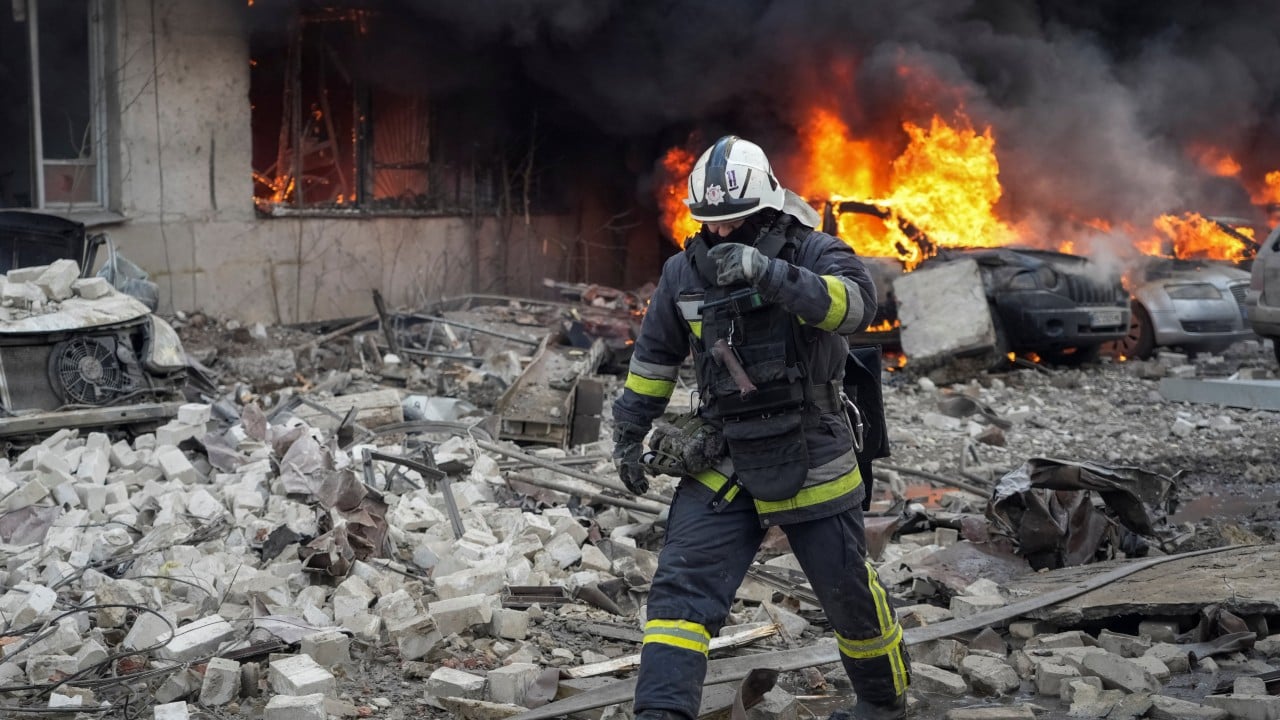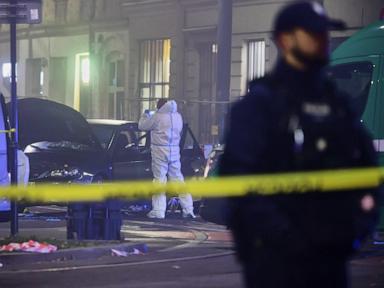
Mass violence of this scale is almost unheard of in Poland. When a 24-year-old gunman drove into Krakow’s historic Main Market Square and opened fire, he didn't just shatter a busy Saturday afternoon; he ruptured a deeply ingrained sense of public safety that Poles have relied on for decades.
Six people lost their lives in the square itself, and authorities later discovered three more family members dead at the suspect's home, bringing the total death toll to nine. As the nation observes two days of official national mourning, investigators are picking through the wreckage of a tragedy that officials have explicitly linked to radical far-right ideologies.
What Actually Happened in Krakow
The attack unfolded around 3 p.m. on a Saturday in one of Europe's most heavily visited tourist hubs. The suspect, a Polish citizen dressed in military-style gear, used a long-gun to target civilians and even grazed horses belonging to local carriage tours.
The bloodshed only stopped because two responding police officers engaged the gunman, sustaining serious injuries in the shootout. One officer remains in critical condition, prompting urgent public appeals for blood donations. The attacker was shot and subsequently hospitalized following surgery.
Hours after the square went quiet, the horror expanded. Prime Minister Donald Tusk announced that police searching the suspect's residence in Ostrowiec Świętokrzyski found three additional bodies—believed to be his parents and sister.
The Ideological Thread and Far-Right Extremism
Interior Minister Marcin Kierwiński didn't mince words at subsequent press briefings, stating that everything points to a suspect deeply radicalized by extremist narratives. Counter-terrorism experts have pointed out unsettling similarities between this incident and the profiles of other "extreme right lone actors" who have carried out attacks across Europe.
While Poland has historically maintained very strict gun controls and low rates of firearm-related mass violence compared to other Western nations, interest in private gun ownership has been creeping upward. Yet, this event wasn't about routine crime. It marks a grim shift: the importation of lone-wolf ideological mass violence into a country that previously viewed such headlines as distant foreign anomalies.
Security analysts emphasize that copycat radicalization online is proving nearly impossible to preempt entirely. When young men sit isolated in digital echo chambers absorbing fringe ultranationalist content, the barrier from radical thoughts to real-world carnage shrinks dangerously.
Moving Forward in a Shaken Nation
Krakow's mayor, Łukasz Gibała, vowed that the city's iconic market square will not surrender to fear, declaring that the public spaces belong to the community. Yet, the psychological aftermath will linger long past the national period of mourning.
Foreign nationals—including citizens from the U.K., Portugal, Russia, Germany, and Austria—were among the wounded, turning a local security failure into an international trauma. Poland now faces the uncomfortable reality that it is no longer immune to the violent ideological currents sweeping the rest of the continent.