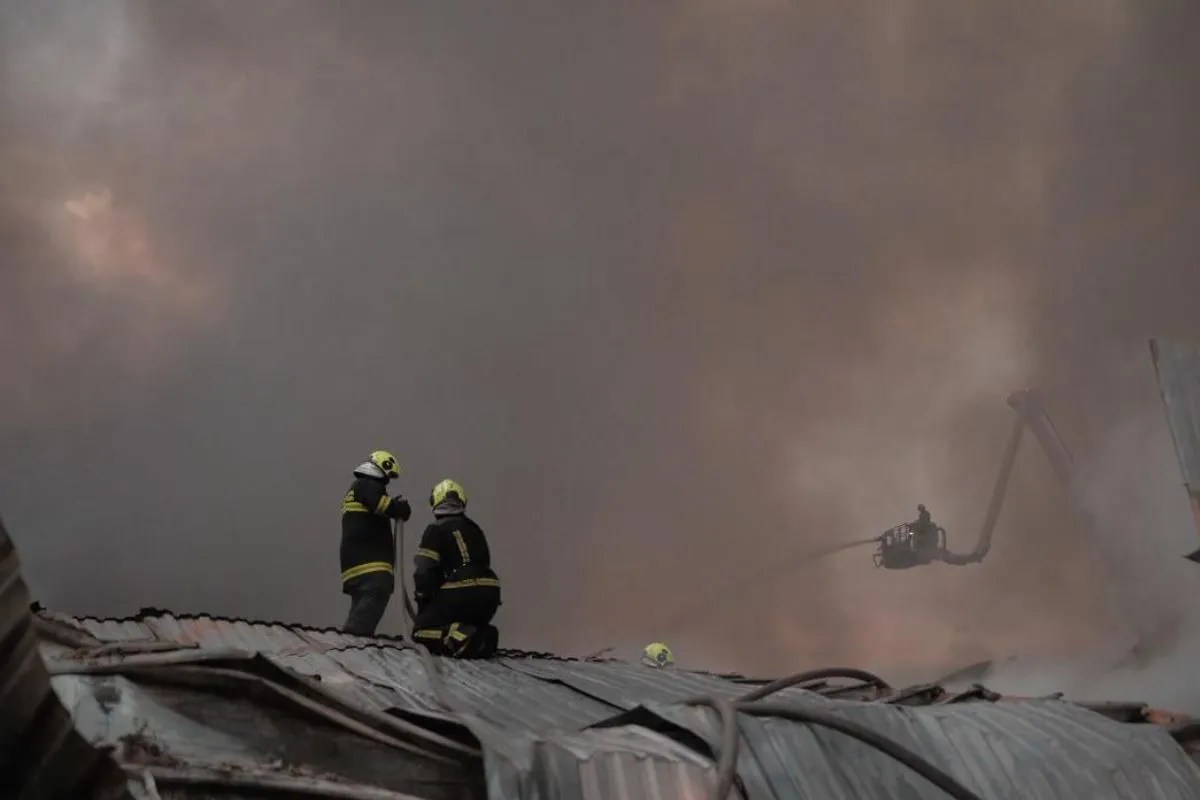
The night sky over Kyiv lit up with terrifying flashes as Russian ballistic missiles slammed into urban areas, leaving a trail of destruction that authorities are still sorting through. Fourteen people are dead. Dozens more are wounded, fighting for their lives in overwhelmed hospitals. If you think this is just another routine escalation in a grinding war of attrition, you're missing the bigger picture. Moscow isn't just hitting military targets; they are exploiting severe gaps in air defense inventories that are becoming impossible to ignore.
Emergency services spent hours pulling victims from the rubble of pulverized warehouses and residential zones after the midnight assault. Local administrators confirmed that districts across the capital and its surrounding regions took direct hits. Vitali Klitschko, Kyiv's mayor, didn't mince words about the gravity of the situation, noting that critical infrastructure caught fire and rescue workers had to battle dangerous conditions, including localized chemical leaks. When an ambulance driver becomes a casualty while rushing to save others, you realize how close the front lines really are to ordinary citizens.
The Air Defense Crisis Nobody Wants to Talk About
Why are these ballistic missiles getting through with such lethal frequency? The answer comes down to a global shortage of interceptors. Systems like the American-made Patriot shield are absolute lifesavers, but stockpiles have dwindled significantly due to competing global conflicts and high consumption rates.
Ukrainian leadership has pointed out a harsh reality. When interceptor supplies drop, cities lose their defensive umbrella. Russia knows this window of vulnerability exists. They are timing heavy barrages to overwhelm remaining batteries, leaving millions of residents scrambling to find cover in batrooms, subway stations, and cellars as air raid sirens wail for hours on end.
Retaliation Loops and the Cost of Energy Warfare
This recent bloodshed doesn't happen in a vacuum. Moscow's defense ministry claims these bombardments serve as direct retaliation for long-range Ukrainian drone strikes hitting oil refineries, logistics hubs, and fuel depots deep inside Russian territory. Ukraine's strategy has evolved rapidly. By targeting supply chains and energy infrastructure behind enemy lines, Kyiv aims to choke off the fuel and funding driving the invasion.
Yet, every successful drone strike on Russian soil triggers a ferocious response targeting Ukrainian population centers. It's a brutal tit-for-tat cycle. Civilians on both sides pay the ultimate price for a conflict with no immediate diplomatic exit in sight.
What Happens Next on the Ground
International allies are facing mounting pressure to step up concrete military aid rather than offering standard diplomatic condemnations. President Volodymyr Zelenskyy continues to press Western partners for immediate shipments of anti-ballistic systems, arguing that delays directly translate to rising death tolls.
If you're following this conflict closely, watch the upcoming international summits and defense package allocations. Without a rapid influx of specialized interceptors, urban centers like Kyiv will remain dangerously exposed to high-speed missile salvos. The human cost keeps climbing, and the margin for error has officially vanished.