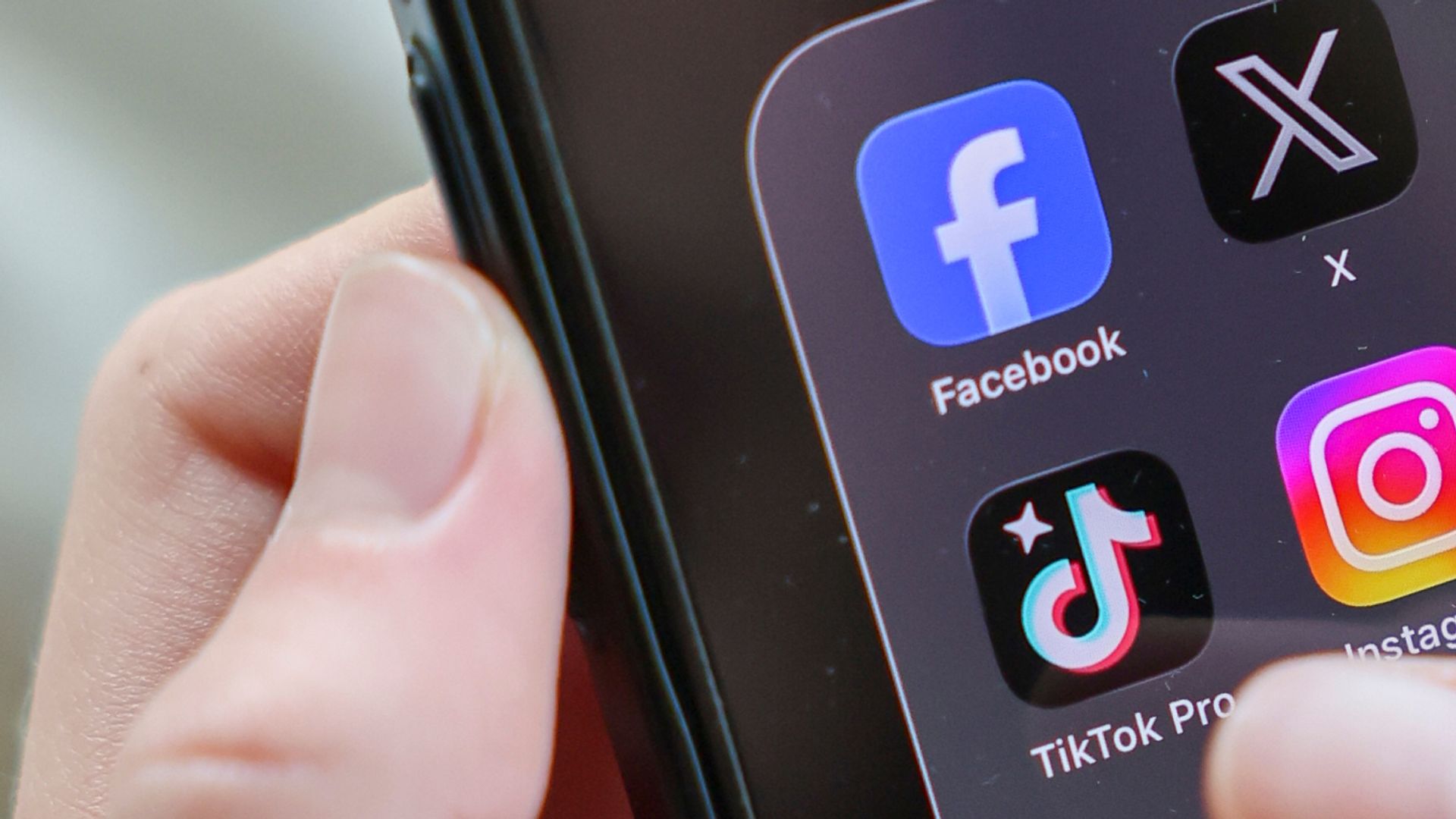
Your phone isn't as secure as you think. Even if you run the most expensive hardware on the market, invisible threat actors can slip through your defenses without you ever tapping a screen. Germany just found this out the hard way.
German Digital Affairs Minister Karsten Wildberger confirmed that members of the Bundestag and government officials have been targeted in a sophisticated spyware campaign. Apple started firing off threat notifications to targeted iPhones, setting off emergency alarms across Berlin. When lawmakers and high-ranking public servants become targets of zero-click exploits, it signals a massive shift in how digital espionage operates at the highest levels of statecraft.
How Zero-Click Exploits Bypass Everything
Most people assume cyberattacks require a mistake. You click a bad link, download a sketchy attachment, or visit a rogue website. Modern commercial spyware doesn't need your cooperation.
These payloads use zero-click vulnerabilities. They infiltrate a device through background services like messaging apps or media parsers, executing code before the user even sees a notification. Commercial surveillance tools—similar in architecture to the infamous Pegasus software developed by the NSO Group—can silently harvest text messages, track real-time locations, and activate microphones or cameras.
When Apple's threat notifications landed on the devices of German politicians, they didn't come with an explanation of who pulled the trigger. They simply stated that a state-sponsored attacker had likely tried to compromise the device.
The Blind Panic Inside Berlin
Berlin is scrambling. The Federal Office for Information Security (BSI) stepped in quickly, advising affected lawmakers to assume the worst. That is the harsh reality of modern mobile security. You rarely know if an exploit succeeded until forensic analysts tear the device apart chip by chip.
Interior Ministry officials pointed out that the threat extends far beyond parliamentarians. Public figures, journalists, and high-profile private individuals frequently find themselves in the crosshairs of sophisticated operators. State actors possess the financial backing and technical depth to buy or develop exploits that cost millions of dollars per target.
What makes this specific wave unsettling is the timing and precision. German delegations traveling abroad and handling sensitive geopolitical dossiers have become prime targets for foreign intelligence agencies. When political leaders cannot trust their personal pocket computers, the mechanics of modern diplomacy grind to a halt. Encrypted messaging apps lose their value if the endpoint operating system is already compromised.
What You Can Learn From High-Level Espionage
You might think you are too insignificant for a state-backed spyware attack. You aren't a German MP. You aren't managing national security policy.
Intelligence agencies and cybercriminals share tools more often than you realize. Exploit brokers build capabilities for high-paying state clients, but those same vectors eventually trickle down into commercial cybercrime rings targeting corporate executives, activists, and wealthy individuals.
Protecting yourself requires adopting a zero-trust mindset toward mobile devices. Apple built features like Lockdown Mode specifically to counter hyper-targeted mercenary spyware. If you face any elevated risk profile due to your profession, turning on extreme hardening features isn't optional. It is basic digital hygiene. Restart your phone regularly to clear volatile memory blocks, update your operating system the minute a patch drops, and stop treating your smartphone like a secure vault.
Berlin is learning that digital borders are porous. Ignore that lesson at your own peril.