Another day, another round of secretive airstrikes in the Persian Gulf. The American military quietly targeted radar installations and missile launch sites on Iran's Qeshm Island, framing the operation as a defensive reaction after the Islamic Revolutionary Guard Corps fired on U.S. aircraft near the Strait of Hormuz. Washington officials are rushing to assure everyone that this isn't a signal of a broader escalation or an impending return to full-scale war.
If you've been tracking the region closely, you know how hollow that reassurance sounds.
The Strategic Weight of Qeshm Island
Geography dictates conflict in the Middle East, and Qeshm Island sits right at the throat of the global economy. Positioned at the entrance of the Strait of Hormuz, whoever controls or monitors this bottleneck holds a chokehold on a massive share of the world's oil and gas shipments.
This isn't a new flashpoint. Qeshm has repeatedly taken hits during ongoing skirmishes between U.S. forces and Iranian assets. Back in May and June, American strikes pounded radar sites and drone command hubs across the island after regional provocations. When Washington claims these attacks are isolated, defensive measures, they are ignoring a grim reality: low-intensity conflict has become the baseline normal.
The administration wants the public to believe these operations are neat, tidy, and contained. Behind closed doors, the calculation is far messier.
Politics and the Illusion of Control
Timing matters in geopolitics. These latest strikes dropped right on the eve of the U.S. midterm congressional elections. Administrations historically hate major military disruptions right before voters cast ballots, which explains why Washington kept these quiet for weeks, quietly executing limited strikes without heavy public fanfare.
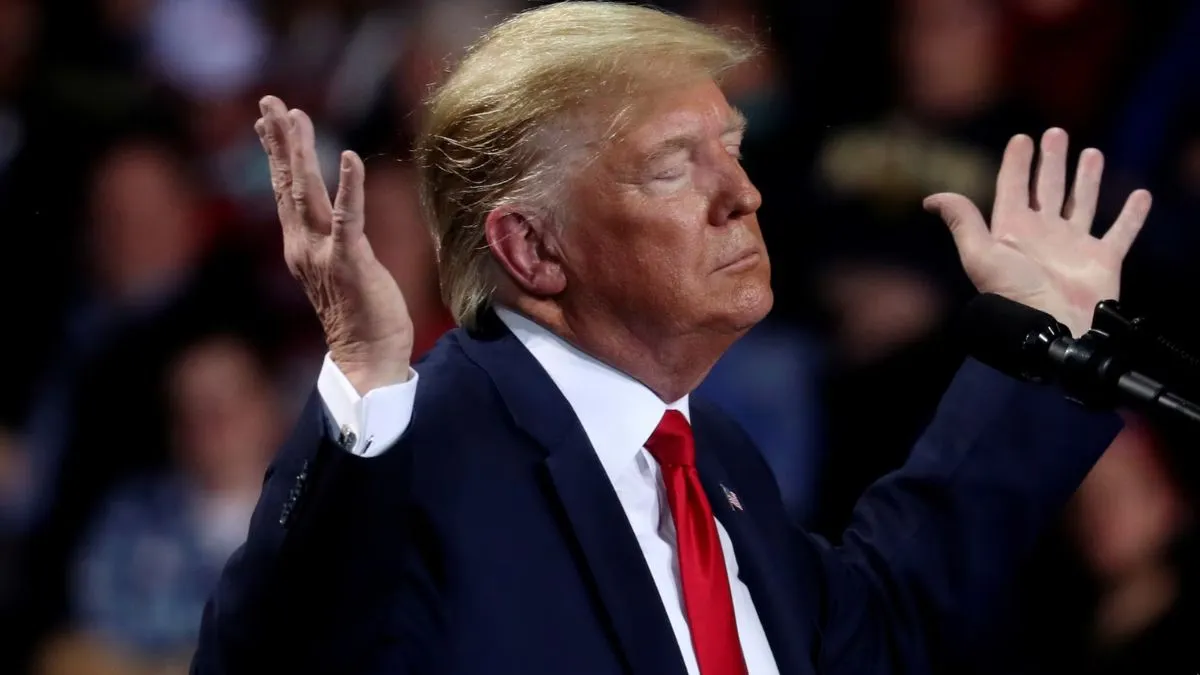
Yet, political expediency at home doesn't stop escalation abroad. President Trump recently hinted that larger operations—even targeting hardened sites near nuclear facilities—remain on the table if a broader diplomatic deal doesn't materialize.
You have a glaring contradiction. On one side, officials whisper to major news outlets that there are no immediate plans to widen the war. On the other, surface-to-air missiles are flying at American aircraft, drones are dropping from the sky, and precision bombs are reshaping local infrastructure.
What Happens When Deterrence Fails
The core problem with calling these strikes "defensive" is that deterrence stopped working months ago. When you trade blows over the Strait of Hormuz week after week, you aren't deterring an adversary; you're managing a slow-burn war.
Iran's military continues to posture, using coastal positions on islands like Qeshm to threaten maritime traffic. Meanwhile, the U.S. responds with targeted destructions of radar arrays and missile launchers, hoping the message finally lands. Neither side appears willing to trigger a catastrophic all-out war right now, but neither side is backing down either.
Keep your eyes on the shipping lanes, not the press releases. As long as commercial vessels face threats in the Gulf, Qeshm Island will remain a target, and the promise of a limited conflict will hang by a thread.