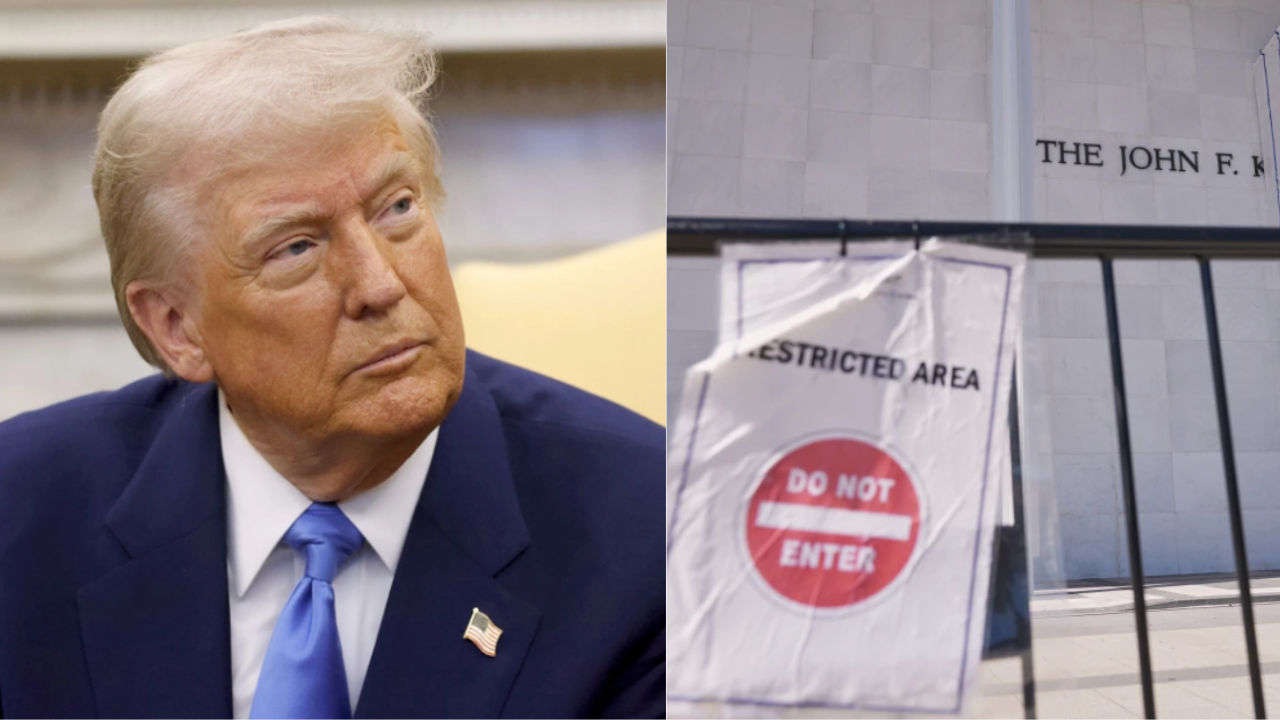
The fight over Washington’s premier performing arts landmark has reached a bizarre new phase. Federal courts are now digging into confidential text logs while political pressure mounts from every direction.
If you thought the controversy surrounding the Kennedy Center ended when a federal judge ruled that Donald Trump's name was illegally stamped onto the building, you were wrong. The legal slugfest has mutated. Now, a Democratic lawmaker wants nearly two hundred withheld text messages dragged out into the open daylight.
Representative Joyce Beatty of Ohio isn't backing down. Through her legal team, she filed a formal request demanding that the Trump administration release close to 200 secret communications. The goal? To expose exactly how deeply the former president and current board chairman was involved in orchestrating the facility's controversial planned closure and sweeping restructuring efforts.
Executive privilege is colliding head-on with congressional oversight. It's a classic Washington showdown, but the stakes here involve an iconic cultural institution that sits right in the nation's capital.
The Texts Everyone Wants to See
Court filings reveal two distinct clusters of digital correspondence involving Matt Floca, the chief executive officer of the Kennedy Center. These aren't casual chats about ticket sales or orchestra seating. They point straight to the mechanics of power and institutional control.
The first batch contains 19 text messages exchanged between Floca and Natalie Harp, Trump's executive assistant. Eleven of those exact texts flew back and forth on September 15. That date wasn't random. It was the exact day the Kennedy Center board held its third vote trying to force a shutdown of the facility.
The second batch is much larger. It consists of roughly 180 text messages linking Floca with Commerce Secretary Howard Lutnick.
Beatty's lawyers argue that these logs will prove Trump maintained direct, frequent lines of communication with administrative leadership during crucial operational votes. The administration wants a complete block on disclosure. They claim executive privilege covers all of it.
Josh Hoyt, the deputy White House counsel, filed a sworn declaration defending the secrecy. The administration insists that because the president appoints board members, he holds an inherent mandate to monitor how well those appointees manage the property. Therefore, any private chats advising them or discussing facility operations fall safely behind the shield of executive protection.
Lawyers for Beatty reject that blanket immunity entirely. They maintain the administration has failed to provide legitimate legal grounds to keep these specific digital records hidden from active court proceedings.
How the Kennedy Center Became a Battlefield
To understand why text logs about a cultural center are commanding national attention, you have to look at the timeline. It's messy.
Trump took over as chairman of the Kennedy Center last year after loyal board members voted him into the post. Shortly after, his name appeared prominently on the structure. That move triggered immediate legal pushback. In May, Judge Cooper ruled the addition illegal and ordered the name stripped away.
At the same time, the board pushed a plan to shut down the landmark for a two-year renovation cycle. Judge Cooper blocked that closure too. The court found that board members hadn't properly evaluated how a multi-year shutdown would wreck the center's finances or its artistic programming.
Trump fought back publicly, claiming the building was structurally dangerous and needed massive overhauls. At one point, he even floated the idea that it might need to be torn down entirely.
Defying the Courtroom Momentum
Legal blocks didn't stop the administration's momentum. On September 15, the board voted for a third time to shutter the building. The very next day, Floca ordered a swift, temporary shutdown of the main complex.
That move prompted Judge Cooper to issue a strict new mandate. The Kennedy Center now has to provide a full thirty days of advance notice before executing any major physical changes to the property.
Now, the battle over the 200 text messages will determine whether those closure votes were driven by genuine infrastructural necessity or political maneuvering. If the judge orders the texts unsealed, the public might finally see how decisions were coordinated behind closed doors.
The courtroom door remains open, and the pressure on the administration is climbing every single day.