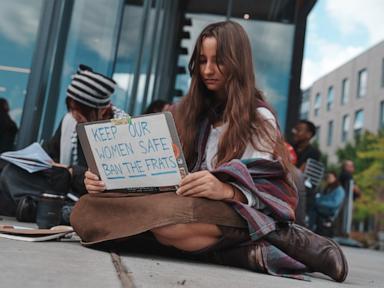
High-profile lawsuits live and die in the court of public opinion long before a jury ever sees a shred of evidence. That reality is driving a fierce legal showdown in New York, where defense attorneys representing one of the men in the high-stakes civil litigation involving Cornell University are demanding a gag order.
The core issue comes down to control. Lawyers for Diego Sarabia, one of the seven men named in the civil lawsuit stemming from alleged fraternity misconduct at Chi Phi, asked a judge to slap narrow restrictions on public commentary. Their argument is straightforward. They claim that aggressive media statements from the accuser's legal team risk poisoning the potential jury pool and expose defendants to severe safety threats, including harassment and doxing.
On the other side, opposition is fierce. Attorney Thomas Giuffra, representing the plaintiff known as Jane Doe, pushed back hard against the request. He argues that defense teams are simply trying to muzzle public accountability and hide behind procedural maneuvers while the case dominates national headlines.
This legal clash highlights a tense dynamic in modern high-profile litigation. When civil allegations and criminal re-examinations collide, the boundary between fighting a case in court and fighting it on cable news dissolves entirely.
The Pressure Mounting Around the Cornell Case
The legal friction doesn't exist in a vacuum. The civil lawsuit has forced intense scrutiny back onto Cornell University's initial handling of the 2024 allegations. Governor Kathy Hochul's intervention shifted elements of the criminal review to the New York Attorney General's office, prompting university president Michael Kotlikoff to address the community directly regarding institutional shortcomings and transparency gaps.
Meanwhile, the human cost of the public spectacle is escalating. Courts have already intervened to seal certain filings after uninvolved individuals sharing names with participants faced terrifying threats from online vigilantes. Judges have openly condemned that kind of internet doxing, pointing out that unchecked public outrage often hurts innocent bystanders before due process can even function.
What Happens Next in the Courtroom
Requests for gag orders in civil cases face a high legal bar because they directly touch on First Amendment protections. Judges must weigh the constitutional right to free speech against the absolute necessity of preserving a fair trial. If the judge agrees to restrict public statements, it will effectively silence both camps from trading media jabs. If the motion fails, expect the PR war to intensify as discovery moves forward and more details from the disputed fraternity interactions come to light.
You're watching a masterclass in how modern trials get fought on two fronts simultaneously. Legal strategy now requires managing headlines just as much as managing motions.