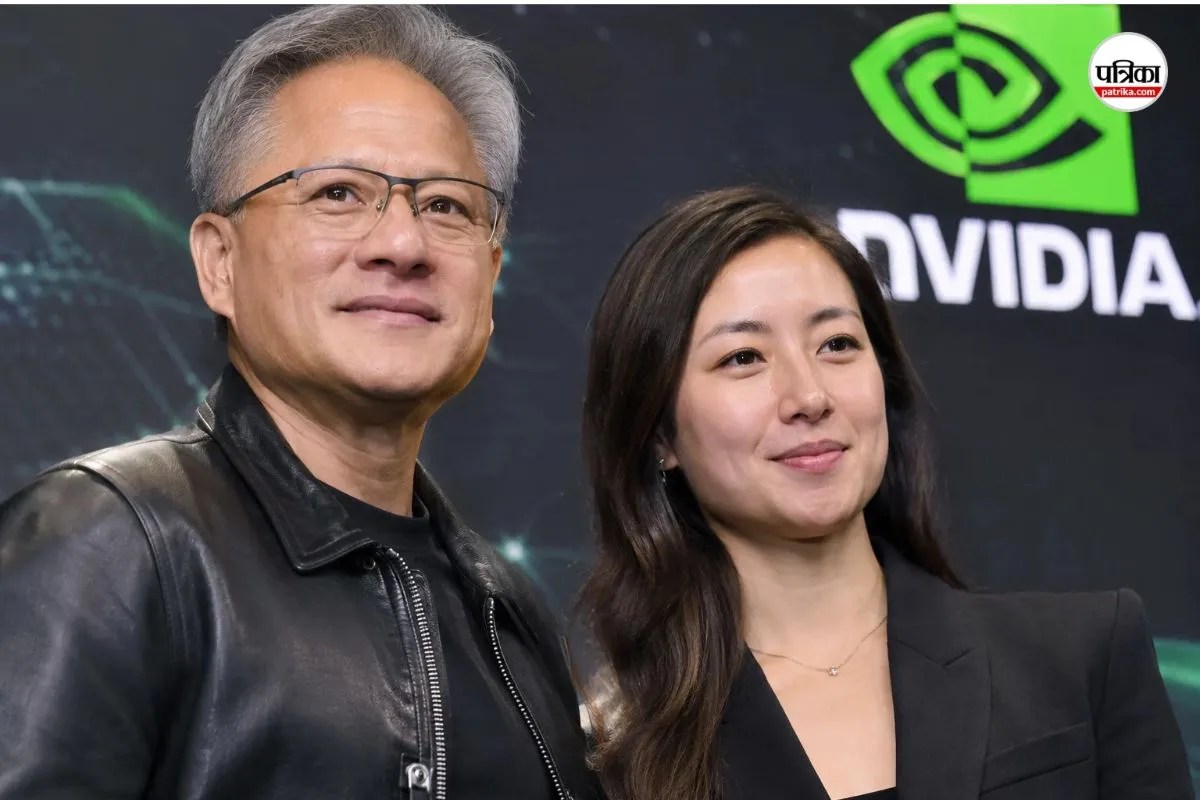
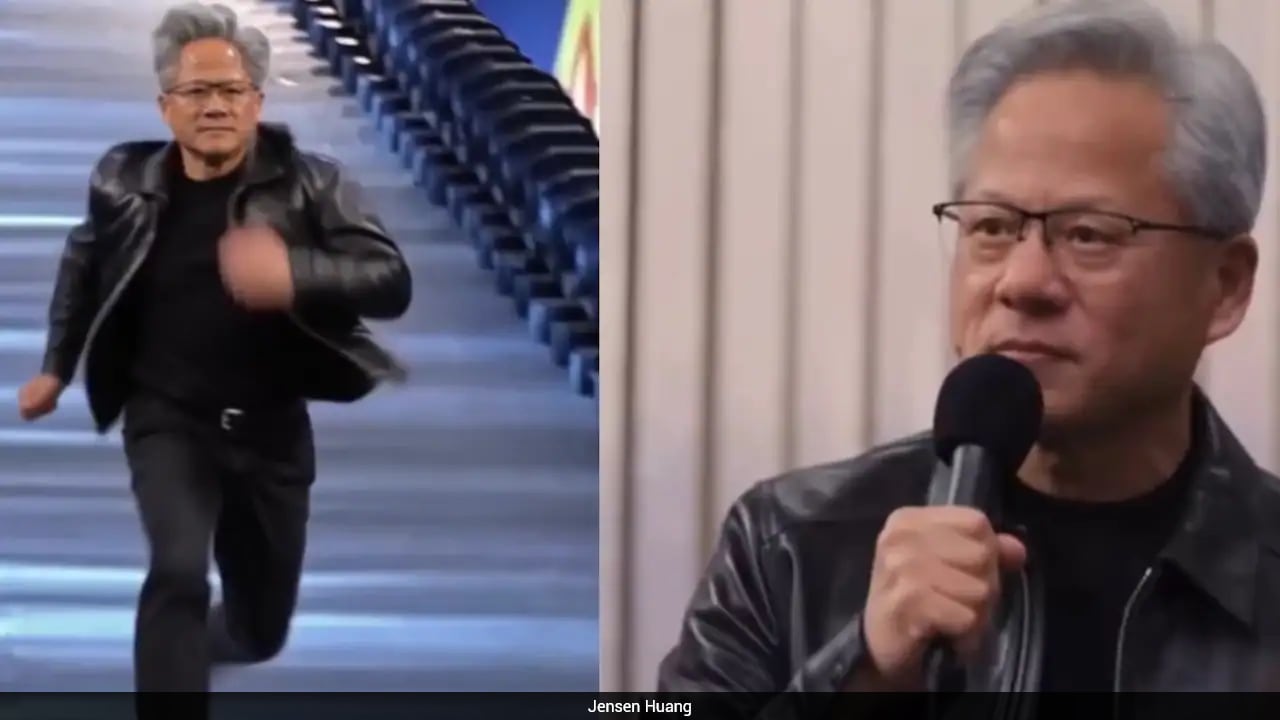
For over three decades, Nvidia and Jensen Huang were practically the same entity. When he stepped down abruptly following a wave of executive controversies, the tech world experienced a minor earthquake. Wall Street panicked, major tech labs questioned their chip supply pipelines, and everyone started asking the obvious question. Can Nvidia actually survive without its leather-jacket-wearing titan?
The short answer is yes, but it is going to be remarkably messy.
Unlike most modern tech behemoths that operate with layers of corporate bureaucracy, Nvidia was run like Jensen's personal fiefdom. He famously maintained around 60 direct reports, skipped traditional middle management, and completely rejected formal succession planning. He believed that keeping operational knowledge flowing directly through him made the company faster. He was right, right up until the moment he was gone. Now, the company is left with a massive organizational vacuum and an interim CEO, Colette Kress, trying to steer a multi-trillion-dollar ship while the board searches for a permanent captain.
The Real Moat is Software, Not Just a Man
People love to attribute entire corporate empires to a single charismatic founder. While Huang deserves immense credit for spotting the potential of parallel computing early on, Nvidia's true dominance isn't just about his personality. It is built on CUDA.
Decades ago, Nvidia made the deeply controversial and expensive decision to force developers to write software directly for GPUs through its proprietary programming platform. Wall Street hated it at the time because it drained resources. Huang insisted. That single bet created an insurmountable developer ecosystem.
AI labs aren't locked into Nvidia solely because Jensen Huang is charming or aggressive in negotiations. They are locked in because rewriting millions of lines of custom code to run efficiently on rival hardware is a nightmare. That code base doesn't evaporate just because the CEO resigns. The physical architecture, the software stack, and the hardware roadmaps for the next few years are already locked in motion. Chip supply chains take years to pivot, meaning Nvidia's near-term market dominance is mathematically secure.
The Danger of the Sixty Direct Reports
Even if the technology and the moat are solid, Nvidia's internal structure is a ticking clock. Having 60 people reporting directly to one person is not normal management. It means institutional knowledge wasn't distributed across a deep bench of executive talent; it was bottlenecked through a single brain.
When a company scales to that size without a traditional number two executive, a sudden transition creates turf wars and strategic paralysis. Competitors like AMD, custom silicon teams inside major cloud providers, and ambitious startups smell blood in the water. They know that while Nvidia's engineers are world-class, the executive layer now has to figure out how to make decisions without a dictator-in-chief who could unilaterally say yes or no in a hallway conversation.
What Happens Next to the AI Supply Chain
The ripple effects extend far beyond corporate governance. Major AI labs like OpenAI rely almost entirely on Nvidia hardware to train frontier models. When a founder with deep personal ties to global manufacturing partners and political leaders leaves under a cloud of scandal, geopolitical and supply chain risks spike instantly. Huang's unique standing helped grease the wheels with key manufacturing hubs overseas.
A new leader will have to rebuild those relationships from scratch. Expect major tech giants to accelerate their backup plans. Companies that hate being held hostage by a single hardware supplier are already looking more seriously at diversifying their infrastructure. Anthropic and others have already balanced their compute mix across multiple providers; others will follow out of sheer self-preservation.
Nvidia isn't going bankrupt, and its GPUs aren't suddenly becoming obsolete. But the era of effortless, founder-driven infallibility is over. The company is finally forced to grow up, install real corporate governance, and prove it can build the future of artificial intelligence without the man who invented it.