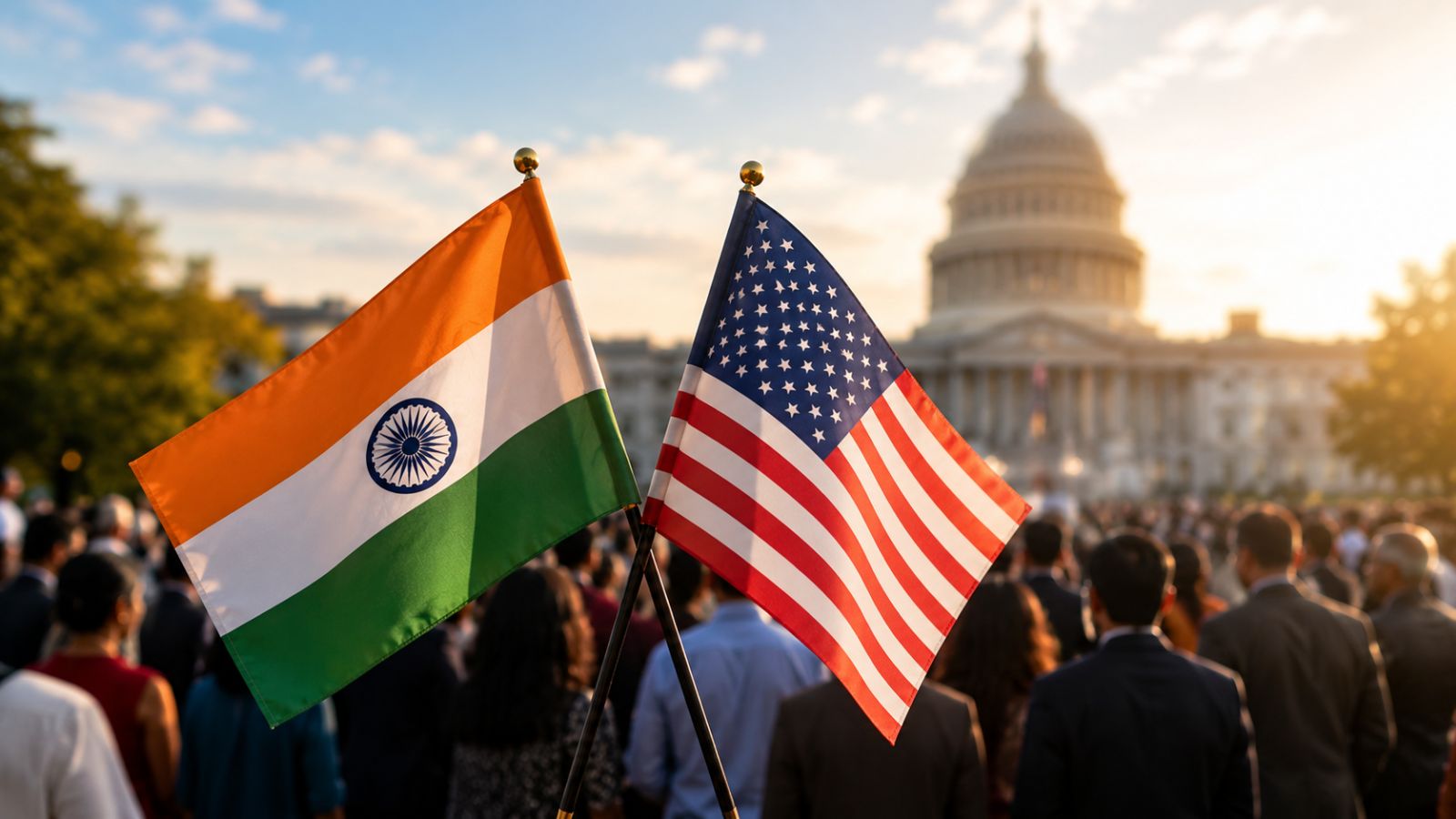
Washington just handed the White House a massive new trade weapon, and New Delhi is caught right in the crosshairs. The US House of Representatives recently passed the Lindsey O. Graham Sanctioning Russia and Iran Act of 2026 by a 262-159 margin, sending the sweeping legislation straight to President Donald Trump's desk for signature. Named after the late South Carolina senator, this package aims to dry up Moscow’s wartime financing. But it also introduces a terrifying prospect for foreign capitals: secondary tariffs of up to 100 percent on the world's top buyers of Russian oil and gas.
If you're wondering how this impacts bilateral trade between Washington and New Delhi, you're not alone. Let's break down what's actually happening, what the legislation threatens, and why India isn't backing down.
What the Act Actually Does
The bill isn't a passive piece of paperwork. It expands existing sanctions on Russian financial institutions, targets political leadership, and cracks down on the rogue shadow fleet of tankers moving Russian energy past Western restrictions.
More importantly, it gives the US President discretionary authority to impose secondary tariffs of up to 100 percent on the five largest importers of Russian petroleum and natural gas, alongside nations facilitating sanctions evasion. China and India sit at the very top of those major import lists.
Here is the kicker. The bill itself doesn't automatically slap a 100 percent tax on Indian goods. Instead, it grants the executive branch a legal hammer. President Trump can choose to wield that authority whenever he wants, turning oil imports into an aggressive leverage point for broader trade and geopolitical concessions.
Why India Keeps Buying Russian Crude
Washington keeps complaining that New Delhi is bankrolling Vladimir Putin's military campaign in Ukraine. New Delhi's response? Energy security comes first.
Before 2022, traditional Gulf suppliers accounted for more than 55 percent of India's crude imports, while Russia's share hovered below 15 percent. That math flipped completely. Driven by commercially competitive pricing and surging demands to power a 1.4 billion population, India's Russian crude purchases spiked dramatically. Reports from the Global Trade Research Initiative (GTRI) highlight that Russia has become an indispensable pillar of India's import mix, regularly outpacing individual shipments from Saudi Arabia, the UAE, and the US.
India's Ministry of External Affairs made it clear that the country will protect its trade interests and secure energy supplies through diversified sourcing based strictly on market dynamics. Expecting New Delhi to halt affordable oil imports simply to appease Washington's tariff threats ignores basic economic survival.
The Strain on US-India Relations
This legislation arrives during an already rocky patch for bilateral ties. Trade negotiations between the two nations have repeatedly hit roadblocks over demands for unilateral trade concessions and competitive advantages for US goods. Washington previously slapped additional tariffs on Indian imports under Section 301 investigations regarding labor practices.
Adding potential 100 percent secondary tariffs into the mix turns an ordinary disagreement into an economic standoff. Critics of the bill inside the US Congress warned that such sweeping executive powers risk alienating key strategic partners in Asia while stoking domestic inflation back home. Yet, bipartisan Russia hawks pushed it through anyway, leaving foreign policy planners in New Delhi scrambling to recalibrate.
What Happens Next
Nothing is finalized until the White House sets specific tariff rates, product scopes, and enforcement timelines. The law preserves executive waiver options if the President certifies it serves US national interests, leaving room for backroom diplomacy.
India shouldn't panic, but it can't afford to ignore the threat either. New Delhi will likely keep buying discounted Russian crude while engaging in high-level talks to defuse the tariff bomb before it explodes.
Protecting national sovereignty isn't cheap. Watch how Washington handles the first enforcement wave.
US House passes Lindsey Graham's Russia Sanctions bill
This video provides an overview of the passage of the Russia sanctions package through the US House of Representatives.
http://googleusercontent.com/youtube_content/1