For decades, the literary establishment kept science fiction locked in the children's table corner. Sure, genre writers could win specific sci-fi awards, but the prestigious mainstream prizes usually ignored them. That wall just collapsed.
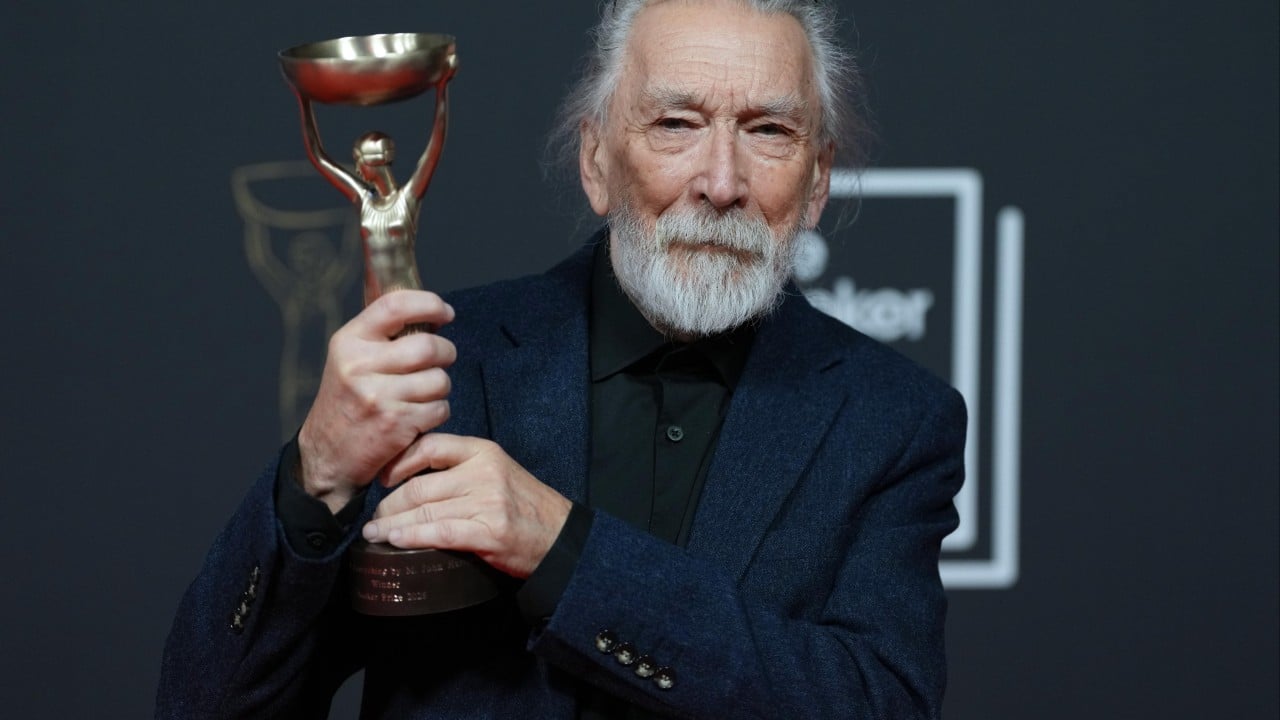
M. John Harrison has won the 2026 Booker Prize for his post-apocalyptic novel The End of Everything. It is a massive victory not just for Harrison, who has spent decades writing brilliant, slippery prose at the edges of genre, but for science fiction as a whole. He is the first sci-fi author to claim the prize. If you've been paying attention to modern literature, you know this win was long overdue. But it also raises a simple question: why did it take this long for the literary gatekeepers to accept that science fiction can be high art?
What The End of Everything Is Actually About
Most dystopian novels give you clear rules. You get a villain, a predictable collapse, and a hero who understands the new reality. Harrison doesn't do that.
Set on the windswept English coast, the story follows Phillip Tennent, a beachcomber who makes a living collecting strange debris washed up from the English Channel, and his aunt Marnie, a former artist navigating a fractured world. Government barely functions. Europe has seemingly vanished. Strange, shape-shifting objects known as "iGhetti" wash ashore, mimicking humans and throwing everyone into a state of total confusion.
This isn't an action-packed survival story. It's an exploration of epistemic collapse. Harrison is asking what happens when your entire philosophy of life stops working because the world itself stopped making sense. It is weird, fragmented, and deeply unsettling.
The Booker Judges Made a Statement
The judging panel, chaired by classicist and historian Dame Mary Beard and including musician Jarvis Cocker and author Patricia Lockwood, sorted through 163 books published across the UK and Ireland. When they handed the prize to Harrison, they weren't just honoring a good book. They were acknowledging the messiness of our current technological and political moment.
Beard noted that the book speaks directly to the present. In an era dominated by artificial intelligence, algorithmic creep, and overlapping global crises, Harrison’s fictional world feels uncomfortably close to home. The iGhetti objects evoke the opaque nature of large language models and digital noise. You can't quite pin them down. They are slippery, much like the modern world.
Critics have pointed out that the book is notoriously difficult to read. Michel Faber called it a novel that "exposes the terrifying insecurity of life right now," while warning that it won't be for everyone. But that's precisely why it won. Great literature doesn't coddle you. It makes you uncomfortable.
Why This Win Matters for Readers and Writers
For years, writers who crossed the boundary between literary fiction and science fiction faced an invisible barrier. If your book had speculative elements, it risked being sidelined as mere genre entertainment, unworthy of serious critical analysis.
Harrison’s win smashes that barrier to pieces. It proves that a book can feature post-apocalyptic landscapes, strange non-human entities, and near-future satire while still operating at the absolute peak of literary prose. Harrison’s writing is hallucinogenically vivid. It doesn't rely on tropes; it subverts them.
Independent publisher Serpent's Tail, an imprint of Profile Books, also secured its first Booker win with this title. It proves that bold, uncompromising books from independent presses can break through the noise and dominate the global literary conversation.
Where to Start If You Want to Read Harrison
If you want to pick up The End of Everything, drop any expectations of a neat narrative arc. Expect to feel disoriented. That's the point.
Start by reading the first chapter without looking for conventional plot hooks. Pay attention to the atmosphere, the bleak coastal setting, and the sheer rhythm of the sentences. If you find yourself frustrated by the lack of clear answers, remind yourself that Harrison is mirroring the exact confusion we deal with every single day in the real world.
Pick up a copy from your local independent bookstore, clear a weekend, and prepare to read something that will completely shift how you look at contemporary fiction.