Canada is completely rewriting its foreign policy handbook, and the biggest gamble yet is happening in the desert.
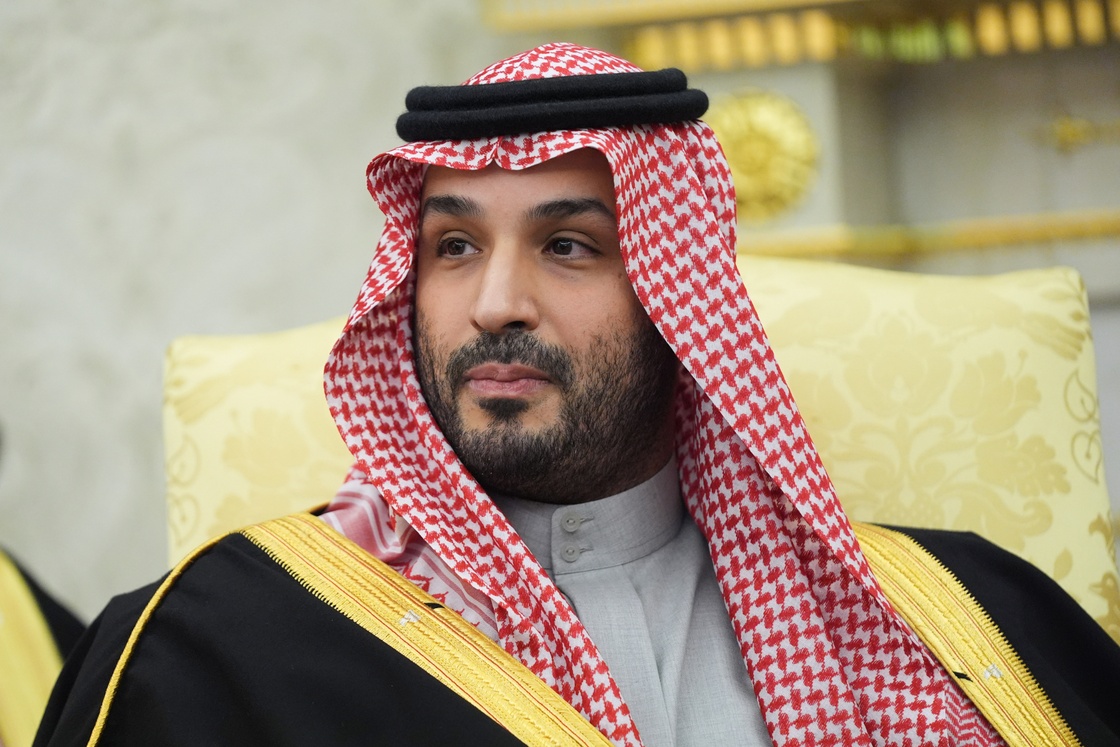
Prime Minister Mark Carney is packing his bags for Riyadh. He'll touch down in Saudi Arabia on July 8, 2026, marking the first time a Canadian prime minister has visited the Kingdom in 26 years. He is scheduled to meet face-to-face with Crown Prince Mohammed bin Salman, the nation's de facto ruler.
This isn't a standard diplomatic handshake. It's a calculated, high-stakes pivot that signals a massive shift in how Ottawa intends to navigate a fractured global economy. For years, Canada-Saudi relations were locked in a deep freeze, defined by public spats over human rights and structural friction. Carney is stepping right past that history to talk about cold, hard cash, critical minerals, and artificial intelligence.
If you're wondering why a former central banker turned prime minister is risking political capital to sit down with a ruler the CIA famously linked to the 2018 assassination of journalist Jamal Khashoggi, the answer is simple. Canada wants economic security, and Saudi Arabia has the capital and resources Ottawa desperately needs to hit its ambitious growth targets.
Breaking the 26 Year Diplomatic Freeze
To understand how bizarre this trip would have seemed just a few years ago, we have to look back at the 2018 diplomatic collapse. Back then, Canada's foreign affairs ministry fired off tweets criticizing the Kingdom's detention of human rights activists. Saudi Arabia responded by expelling the Canadian ambassador, pulling thousands of Saudi students out of Canadian universities, and halting state airline flights to Toronto.
Relations thawed slightly in recent years, but Carney is taking the reconciliation to warp speed. This three-day bilateral visit follows a multi-leg trip that starts at the NATO summit in Ankara, Türkiye.
Ottawa is defending the trip by pointing out the sheer scale of the economic opportunity. Bilateral trade between the two nations hit 3.5 billion dollars in 2025. Saudi Arabia is already Canada’s second-largest trading partner in the Gulf. Carney isn't trying to maintain that number. He wants to multiply it.
The Five Pillars Driving the Riyadh Reset
Carney isn't flying to Riyadh to talk about abstract values. The Prime Minister's Office made it clear that this trip focuses on five core economic sectors.
Critical Minerals and Mining
Canada has the rocks, but Saudi Arabia has the money to dig them up. The global shift toward electric vehicles and green infrastructure requires an astronomical amount of copper, lithium, and nickel. Ottawa wants to establish Canada as a stable, democratic alternative to Chinese supply chains.
Saudi Arabia is aggressively diversifying away from oil through its Vision 2030 initiative, and its state-backed mining vehicle, Manara Minerals, is hunting for global assets. By partnering, Canada secures the massive capital injections required to get northern mining projects off the ground, while Riyadh gets a secure stake in the clean energy future.
Artificial Intelligence and Innovation
The Kingdom is currently deploying hundreds of billions of dollars to build global tech hubs and buy up advanced computing power. Canada has world-class AI research clusters in Montreal and Toronto but lacks the massive sovereign funds to compete with Silicon Valley or Beijing. The math writes itself. Carney is trying to channel Saudi tech investments straight into Canadian tech infrastructure, bypassing American venture capital pipelines that often drain Canadian talent southward.
Defence and the New Multilateralism
This is where things get highly strategic. Carney’s government has been on a massive military push, hitting NATO’s two percent defence spending benchmark this year and targeting a five percent goal by 2035. Canada is also pitching a new financial institution: the Defence, Security and Resilience Bank.
The goal of this bank is to pull in private capital and sovereign money to fund security supply chains among allied nations. Securing Saudi interest or cooperation in these broader financial networks would be an enormous win for Carney's rearmament agenda.
Cleantech and Energy Transition
It sounds ironic to pitch green tech to the world's biggest oil exporter, but Saudi Arabia is investing heavily in green hydrogen and solar energy capture to preserve its domestic oil for export. Canadian clean-tech firms specializing in carbon capture and hydrogen fuel systems are starving for commercial scale. A single major procurement contract with Saudi Aramco or the NEOM megaproject could sustain a Canadian engineering firm for a decade.
Infrastructure and Agriculture
With global supply chains constantly buckling under geopolitical strain, Saudi Arabia faces intense food security pressures. Canada’s sprawling agricultural sector offers a highly reliable supply of grain, pulses, and agri-tech solutions. On the flip side, the Saudi Public Investment Fund holds over 900 billion dollars in assets. Carney wants that sovereign wealth flowing into Canadian rail, transit, and port infrastructure.
Realpolitik Trumps Retoric
Let's be completely honest about what this trip represents. It's the death of Canada's "feminist foreign policy" era and the birth of raw realpolitik.
Critics are already slamming the move. Human rights organizations argue that sitting down with Mohammed bin Salman sanitizes his regime's record on political dissent and regional military interventions. The ghost of the Khashoggi killing still hangs heavy over any western leader who visits Riyadh.
But Carney's strategy is built on the premise that Canada can no longer afford to isolate itself from major capital pools based purely on ideological differences. In a world where global trade blocks are hardening, Washington is increasingly unpredictable, and European markets are sluggish, Saudi Arabia represents an ocean of liquid capital.
Carney’s team is gambling that domestic voters will forgive the ethical compromise if it results in thousands of high-paying jobs in Ontario manufacturing, Western agriculture, and Northern mining sectors.
What to Watch Next
The success or failure of this trip won't be measured by the joint press release or the quality of the dinner photos in Riyadh. If you want to know if Carney actually pulled this off, look for these specific developments over the coming months:
- Track whether Manara Minerals or the Saudi Public Investment Fund announces direct equity stakes in Canadian critical mineral projects, particularly in the Ring of Fire region in northern Ontario.
- Watch for joint ventures between Canadian AI firms and Saudi digital transformation initiatives, specifically involving real-world testbed rollouts.
- Monitor the corporate reaction from Canadian defence and aerospace suppliers to see if export permits are quietly expedited following the bilateral talks.
Carney is treating Canada like a corporation that needs a major capital injection to survive a turbulent market. He is betting that economic strength is the only true foundation for national sovereignty. We are about to find out if the Kingdom is willing to buy what he's selling.