Trade wars change priorities fast. When relations with Washington sour, Ottawa looks across the Atlantic.
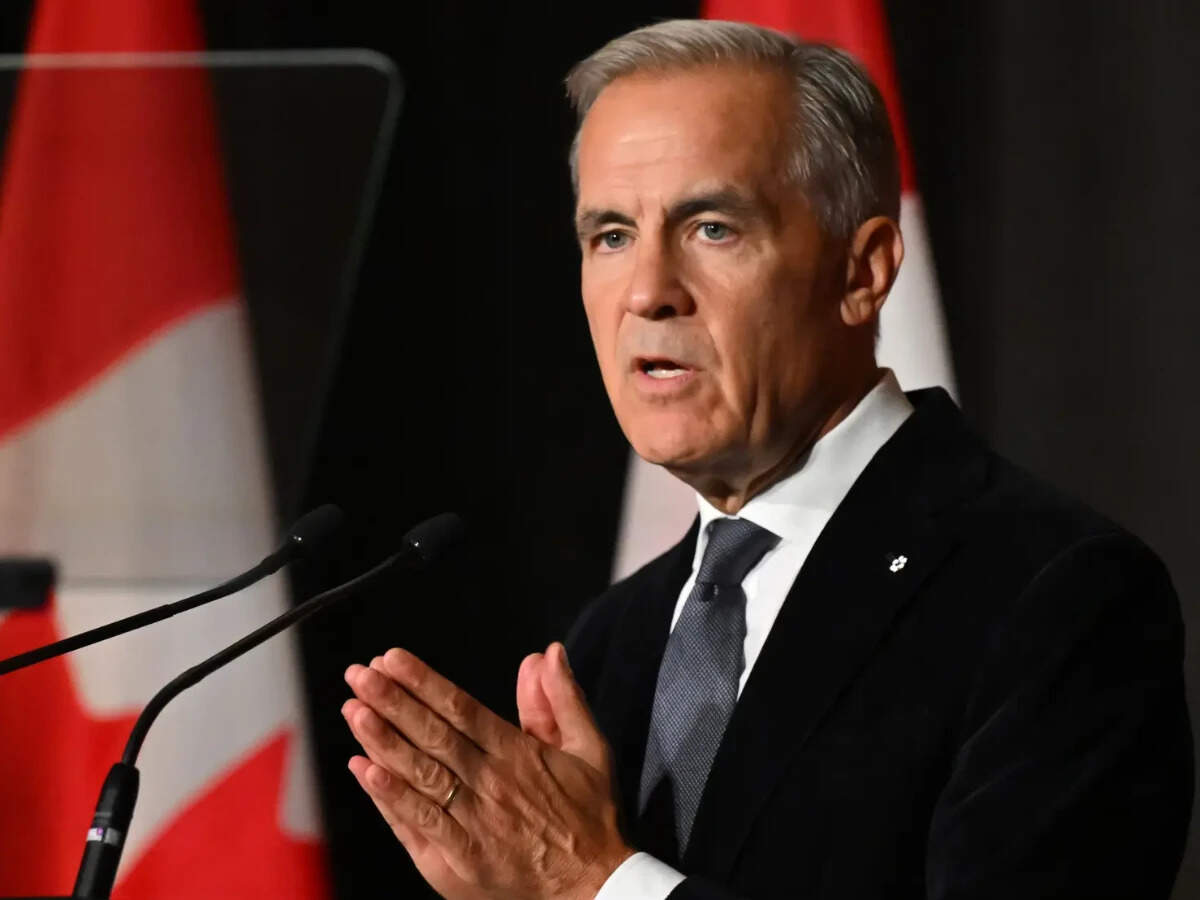
Prime Minister Mark Carney is currently steering Canada toward a much deeper economic and political integration with the European Union. Headlines are buzzing with talk of "associate membership" and sweeping labor mobility rights that could eventually let Canadians live and work freely across European borders. Recently making waves lately: Why The Crackdown On Turkey Lgbtq Protesters Keeps Escalating.
If you are packing your bags right now based on viral social media summaries, stop. The reality on the ground is far more nuanced, complex, and slow-moving than internet rumors suggest.
What Mark Carney Actually Said About Europe
Let's clear up the confusion immediately. Carney explicitly dismissed full European Union membership for Canada while speaking at recent public appearances. Additional insights on this are detailed by BBC News.
Instead, Ottawa wants a bespoke arrangement. Call it a unique alliance. Think shared strategic priorities, tighter defense supply chains, critical minerals cooperation, and closer alignment on artificial intelligence.
The whisper of visa-free living and working rights for citizens stems from exploratory high-level discussions between Canadian officials and key European leaders like French President Emmanuel Macron. Finnish President Alexander Stubb even joked publicly about Canada becoming the twenty-eighth state of the European Union instead of the fifty-first state of America.
Fun rhetoric doesn't rewrite international law overnight.
Why This Push Is Happening Right Now
Geographic reality dictates that the United States will remain Canada's primary commercial partner. Yet, constant trade friction, tariffs, and unpredictable policy shifts from Washington have forced Canadian leadership to seek strategic diversification.
Middle powers are banding together to build resilience against economic coercion. Europe represents a massive, stable market that shares regulatory values and democratic institutions with Canada. Trade between them already scales into billions through agreements like CETA, but current geopolitical pressures demand a stronger shield.
By pursuing deeper ties with Brussels, Canada aims to protect its economic future while giving its citizens wider global opportunities.
The Hard Truth About Living and Working in Europe Today
Canadians cannot simply book a one-way flight to Berlin or Paris tomorrow and expect to start a career without proper paperwork.
Right now, standard rules apply. Canadian passport holders enjoy visa-free entry into the Schengen Area for up to ninety days within any rolling 180-day period. That privilege is strictly for tourism and short visits. It grants zero entitlement to residency or local employment.
Anyone wanting a longer stay must navigate individual national immigration pathways. You need a sponsored work visa, a student permit, digital nomad provisions where available, or family ancestry links. The European Union does not issue a universal pan-European work permit. Brussels guards the four freedoms of its single market—goods, capital, services, and people—with intense regulatory caution. Granting full labor mobility to a non-member state violates core EU legal architecture.
What a Realistic Mobility Deal Might Look Like
Experts monitoring these negotiations suggest that full, unconditional freedom of movement for every Canadian citizen is unlikely in the short term.
A targeted approach stands a much higher chance of survival. Future adjustments could focus on regulated labor mobility for strategic sectors. Engineers in green tech, artificial intelligence researchers, healthcare specialists, and critical mineral experts might see streamlined professional recognition and expedited visa processing.
Brussels wants to anchor reliable partners close to its economic orbit, and Canada fits that strategic mold. But formalizing those bridges requires rewriting complex treaties. It is a multi-year diplomatic project, not a quick weekend policy fix.
Practical Next Steps If You Want to Move to Europe
Stop waiting for a sweeping political announcement to clear your path. If you want to build a life across the Atlantic right now, traditional routes remain your only reliable option.
- Audit your professional skills to see if they match high-demand shortage occupations in specific European countries.
- Look into youth mobility agreements and working holiday visas that Canada already maintains with several individual European nations.
- Research digital nomad visas offered by countries like Spain, Portugal, and Greece if you work remotely for non-European companies.
- Keep a close eye on upcoming bilateral summits between Ottawa and European capitals for policy updates on professional credential recognition.
Build your strategy on current legal frameworks while watching how this new diplomatic alignment unfolds.
Canada looks beyond America with plans for 'unique alliance' with EU
This video provides an overview of Prime Minister Mark Carney's efforts to forge a unique economic and strategic alliance with the European Union amidst shifting global trade dynamics.
http://googleusercontent.com/youtube_content/1