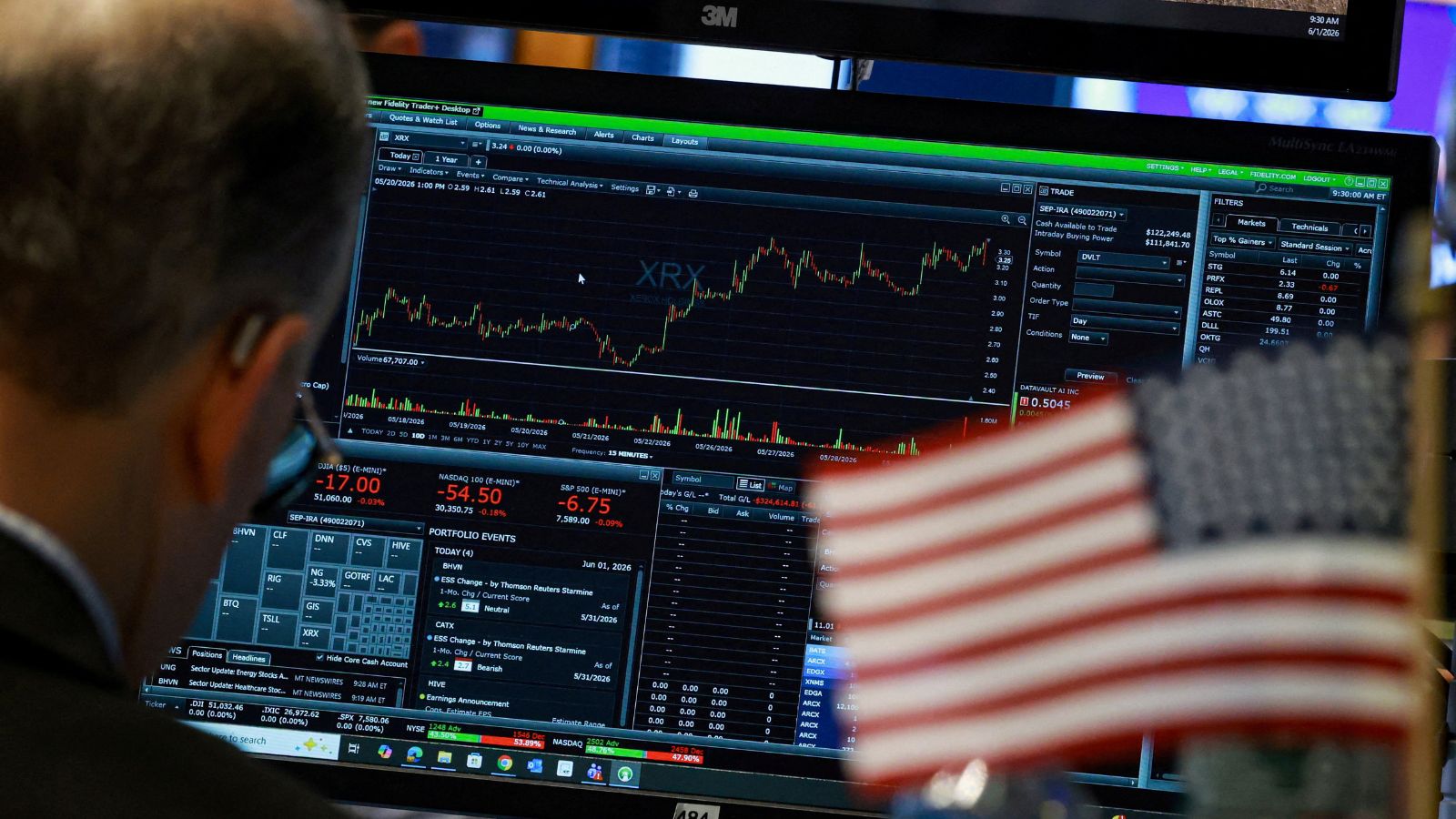
Elections come and go, but the knee-jerk reactions of the stock market remain entirely predictable. Every major political cycle brings waves of panic, short-term selling, and sudden sector rotations that leave solid companies trading at temporary discounts. When political uncertainty shakes up equity prices, most investors run for the exits while experienced market watchers look for misplaced value.
Financial television personality Jim Cramer recently pointed out this exact dynamic, highlighting a major bank stock that dropped during a post-election pullback. Rather than joining the panic, he argued that the dip presents a clean entry point for long-term buyers. But should you actually follow that advice, or is chasing post-election sector dips a trap? Let's look at how to evaluate bank stocks when market sentiment swings wildly.
The Reality of Post-Election Market Volatility
Elections trigger massive emotional trading. Wall Street hates uncertainty, and political shifts often cause algorithmic trading models to reweight portfolios overnight. Financial institutions frequently bear the brunt of this temporary turbulence because investors try to price in future regulatory changes, tax policy shifts, and interest rate trajectories all at once.
This creates a disconnect between short-term price action and underlying business fundamentals. A major commercial or investment bank doesn't fundamentally break because an election outcome causes a two-day sector rotation. Loan books, deposit bases, and net interest margins change slowly over quarters, not because of a single political headline.
When a fundamentally sound financial institution takes a hit simply because the broader market is digesting new political realities, the selloff is often driven by sentiment rather than structural damage. That is precisely the moment when contrarian investors start paying attention.
What to Look for Before Buying a Bank Dip
Buying a dip in the financial sector requires looking past the headline price drop. Not every discounted bank stock is a bargain. Some pullbacks expose real balance sheet weaknesses, credit quality issues, or exposure to commercial real estate headwinds.
Before committing capital to a beaten-down financial stock, you need to verify a few core health metrics:
- Tangible Book Value: Are you buying the stock close to or below its tangible book value, or does it trade at an inflated multiple that leaves no margin of safety?
- Deposit Stability: Does the bank rely heavily on volatile, high-cost hot money, or does it possess a sticky, low-cost retail and commercial deposit base?
- Credit Quality and Reserves: Are non-performing loans creeping up, and has management set aside adequate provisions for potential defaults?
When high-profile commentators highlight a financial stock after a pullback, they are usually betting on strong capital return programs, stable net interest income, or an upcoming cyclical rebound. However, your own thesis must rely on balance sheet strength rather than media commentary alone.
Moving Past the Noise
The biggest mistake retail investors make during post-election volatility is letting short-term market noise dictate long-term capital allocation. Markets routinely overreact to political shifts, punishing well-run institutions right along with weaker peers.
If you evaluate a financial institution and find that its core earnings power remains intact, a post-election pullback is just background noise. Focus on cash flows, balance sheet durability, and valuation discipline rather than trying to time political sentiment. Look at the numbers, verify the fundamentals, and make your move when the market hands you an unjustified discount.