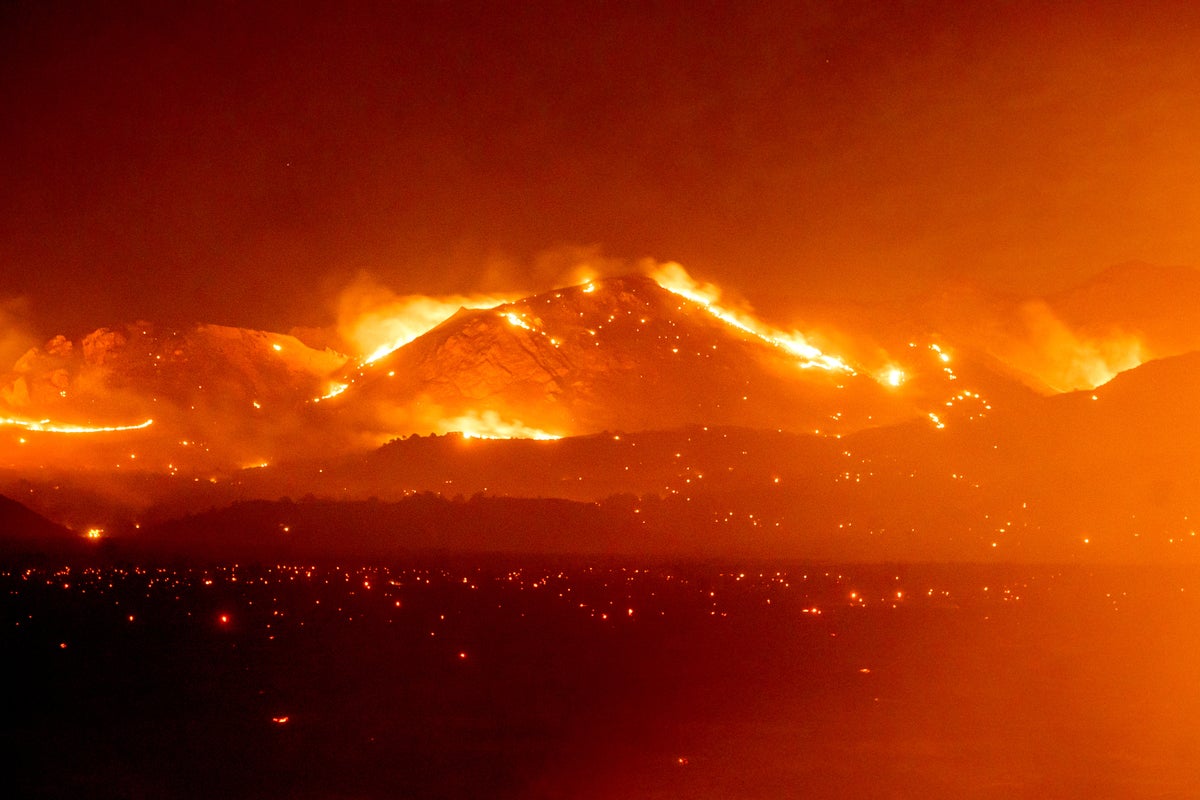
The war isn't staying on the front lines anymore. It's crashing right into residential apartment blocks, massive fulfillment hubs, and regional capitals hundreds of miles away from the trenches.
Moscow confirmed that a sweeping Ukrainian drone attack on Russia killed at least six people and injured dozens of others, marking one of the bloodiest civilian tolls from drone incursions inside Russian territory to date. Massive blazes erupted, most notably gutting a sprawling Wildberries warehouse—one of the country's largest e-commerce distribution centers—sending plumes of thick black smoke visible for miles.
If you've been watching this conflict through the lens of static trench warfare, you're missing the entire strategic pivot. The skies over central Russia are wide open. Air defenses are strained. And the economic cost of these strikes is scaling up rapidly.
The Human Toll and the Shift to the Interior
War hits hardest where people sleep.
In regions like Voronezh, Kursk, and parts of the broader Moscow metropolitan footprint, the sound of buzzing small-engine drones has become a terrifying nocturnal soundtrack. Officials reported that dozens of long-range unmanned aerial vehicles targeted critical logistics points, fuel depots, and urban zones simultaneously.
When debris falls on apartment complexes, civilians pay the price. Six deaths might sound low compared to the staggering casualty numbers on the front lines, but the psychological impact on the Russian public is massive. For years, state media promised safety behind a shield of advanced air defense. That illusion is shattering.
Logistics Under Fire Why the Wildberries Strike Matters
Airfields and oil refineries usually dominate the headlines when we talk about Ukrainian deep-strike operations. But targeting civilian e-commerce infrastructure like the Wildberries warehouse changes the economic calculus entirely.
Logistics are the lifeblood of a wartime economy. When major distribution hubs burn, supply chains fracture.
- Millions of packages delayed or destroyed.
- Thousands of local jobs disrupted in a single night.
- Insurance costs and corporate panic skyrocketing for Russian retail giants.
Think about how fragile modern consumer supply chains are. Now drop explosive-laden drones into the middle of them. Wildberries is Russia's answer to Amazon. Striking a facility of that scale isn't just about military damage; it's about proving that no corporate asset or supply chain hub is safe from retaliation.
Why Traditional Air Defenses Are Failing
You might wonder why Russia's military hasn't simply shut down its airspace. It's a matter of sheer geography and math.
Russia is the largest country on earth. Covering every single warehouse, fuel tank, and power substation with Pantsir-S1 missile systems or electronic warfare units is physically impossible. Ukrainian engineers are constantly iterating on these long-range drones, using cheap commercial components, modified flight paths, and low-altitude routing to slip underneath radar coverage.
Cheap drones beat expensive interceptor missiles every single time.
If you fire a multi-million-dollar surface-to-air missile at a ten-thousand-dollar drone, you are losing the economic war even if you win the tactical skirmish. Moscow is learning this the hard way. The sheer volume of incoming vectors forces commanders to prioritize. They protect the Kremlin and military command centers, leaving secondary industrial and commercial targets vulnerable to devastating strikes.
What Comes Next for the Air War
Expect more of this. Neither side is backing down, and technology favors the attacker right now.
As long as long-range strike capabilities continue to improve, the physical distance between the active battlefield and major Russian cities shrinks to zero. The Kremlin faces a brutal political dilemma. Admit that current air defenses can't protect the heartland, or pull critical systems away from the front lines to defend domestic cities, weakening the ground offensive in Ukraine.
There's no good option left on the board. The war has come home, and the smoke over those warehouses isn't clearing anytime soon.