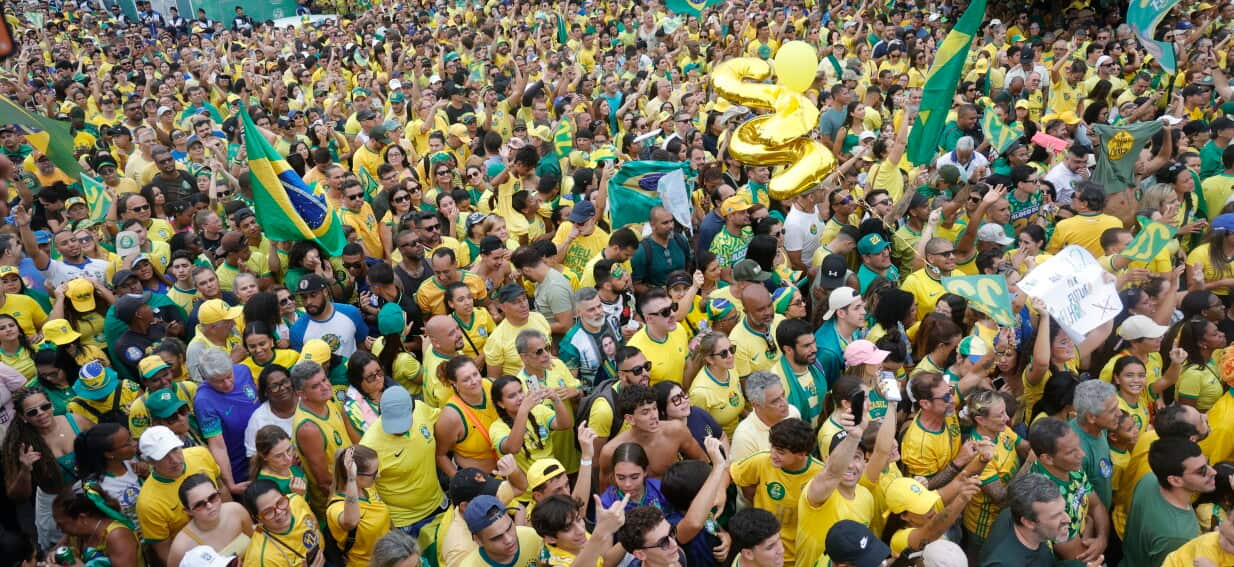
Thousands of citizens have taken to the streets across Turkiye, fueled by anger over a fresh wave of journalist arrests and sweeping media shutdowns. When authorities jail reporters, seize control of major opposition broadcasters like Halk TV, and block critical news websites, they usually expect compliance. Instead, they got mass protests.
You cannot lock up the press and expect the public to stay quiet. The government denies targeting journalists for their professional work, but actions speak louder than official denials. When independent outlets are silenced overnight, citizens notice. They know when a government is trying to control the narrative.
The Anatomy of the Crackdown
This isn't happening in a vacuum. Over the past few years, the legal pressure on independent journalism in Turkiye has intensified dramatically. Authorities routinely use broad anti-terror laws and charges of spreading disinformation to prosecute reporters, editors, and commentators.
When you criminalize reporting, you force information underground. People stop trusting state-backed broadcasts. They turn to encrypted messaging apps, citizen journalism, and independent digital platforms. The state ends up fighting a war against information it can never win.
Consider what happens when a major opposition broadcaster gets seized. Viewers don't simply migrate to state TV. They get angry. They organize. Street demonstrations erupt not just because people miss a specific television show, but because they see a fundamental right disappearing in real time.
Why State Control Over News Always Fails
Authoritarian playbooks treat the media as a mouthpiece. If you control the transmitters, you control the public. That logic is broken. In a connected world, information leaks through the cracks.
When mainstream outlets are shut down, independent digital creators step into the vacuum. They stream from mobile phones. They publish on decentralized networks. Trying to stop this with traditional censorship is like trying to hold water in a sieve.
The economic cost is also real. Investors hate volatility and political crackdowns. Markets look for stability and rule of law. When a country starts locking up journalists and seizing media companies, international confidence drops.
What Comes Next for Independent Reporting
The resilience of Turkish journalists is remarkable. Many continue to report from exile, or launch subscription-based micro-outlets that bypass traditional broadcasting hurdles. They know the risks. They do it anyway.
Protesters on the streets of Istanbul and Ankara aren't just defending a few arrested reporters. They are defending the principle that citizens have a right to know the truth.
Support independent journalism by reading and funding outlets that refuse to bow to state pressure. Share verified reports widely. Do not let censorship become the new normal.