Meta just agreed to pay up to $17.1 billion to settle a massive, bipartisan coalition lawsuit brought by 47 states, Washington, D.C., and several territories over teen social media addiction. If you look at the headline, you might think Big Tech just received a fatal blow.
It didn't.
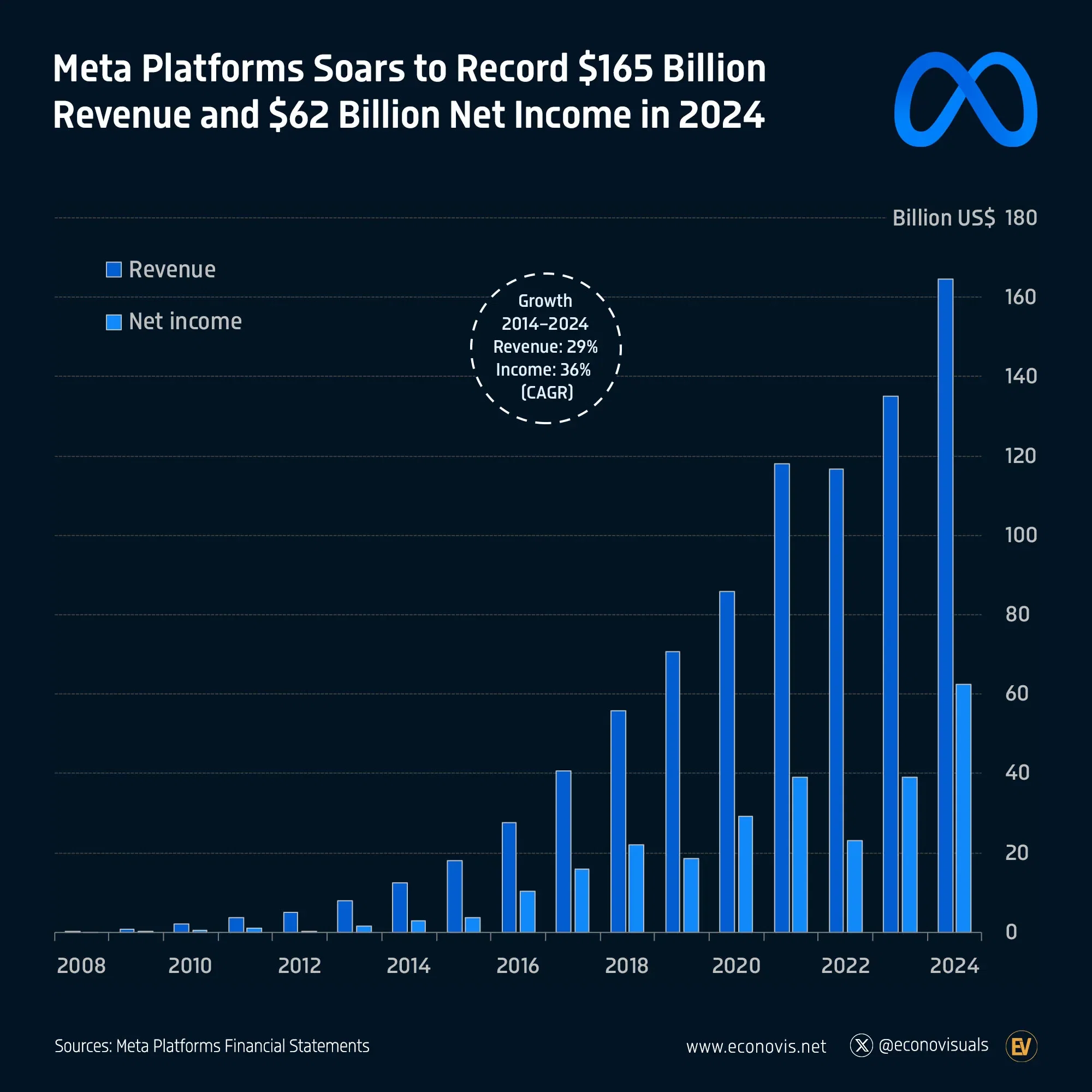
When you check Meta's annual numbers—like pulling in over $201 billion in revenue in 2025 alone—spread-out payments totaling roughly $1.7 billion a year over a decade look like a rounding error. Mark Zuckerberg's empire didn't even flinch. Stock prices actually ticked upward after the news dropped. Wall Street knew what everyday users missed.
Yet, beneath the massive financial figures, the structural changes forced onto Facebook and Instagram tell a different story. This isn't just about writing a check to state attorneys general. It's about a fundamental shift in how courts view product design liability, bypassing old shields like Section 230 by focusing squarely on consumer protection and deceptive marketing.
Here is what is actually changing, who wins, and why the tech ecosystem will never look quite the same again.
The Core Mandates Behind the Numbers
Meta denies any wrongdoing. They always do. But the settlement forces the company to accept operational handcuffs that engineers and product designers can't easily ignore.
The agreement tackles the architecture of addiction directly. For users under 18, Facebook and Instagram must now implement:
- Hard time caps: Daily usage limits designed to keep teens from binging feeds for hours on end.
- Midnight blackouts: Automatic lockouts preventing access from midnight to 6 a.m. local time.
- School-hour notification bans: Pushing pause on alerts between 8 a.m. and 3 p.m. on weekdays to stop the endless loop of distraction during class.
- Hidden metrics: Defaulting to hidden like counts and banning cosmetic-surgery style filters that warp body image perception.
- Feed alternatives: Offering a non-personalized, non-algorithmic feed option so young users aren't at the mercy of maximum-engagement loops.
These aren't gentle suggestions. They are court-backed product changes monitored by an independent auditor. If you've ever tried to build an app designed for retention, you know that stripping away infinite scroll triggers and push notifications guts the core growth engine.
The Catch With TikTok and YouTube
One of the most fascinating parts of this legal resolution is the conditional payout structure. Meta structured a portion of the settlement—about $5.3 billion—so that it only releases to states if rival platforms like TikTok and YouTube agree to implement matching safety measures and pay comparable amounts.
Meta basically tried to draft industry-wide regulations through a private settlement. They don't want to fight competitors with one hand tied behind their back while TikTok hooks the teenage demographic unhindered. It's a clever strategic move. It forces regulators to turn their attention outward, pressuring the rest of the social media landscape to fall in line or face identical lawsuits.
Why Consumer Protection Law Won the Day
For years, tech giants hid behind statutory shields. Whenever someone sued a platform for causing psychological harm, lawyers would wave away the claims using Section 230 of the Communications Decency Act or First Amendment arguments.
State attorneys general found a workaround. Instead of arguing about free speech or third-party content moderation, they sued under consumer protection and deceptive practices statutes. They focused on what Meta knew, what it hid, and how it marketed its products to children.
Internal documents leaked back in 2021 by whistleblowers showed that Meta's own researchers knew Instagram damaged body image for a subset of teenage girls. When executives downplayed those findings publicly while optimizing algorithms for longer session lengths, they walked right into a deceptive trade practices trap.
That legal strategy is now proven. It works. States like Florida, New Mexico, and Texas chose to keep litigating independently rather than join this specific deal, proving that the legal pressure on Big Tech is fracturing into multiple fronts.
What This Means for Everyday Users and Parents
If you are a parent trying to navigate screen time with teenagers, don't expect these changes to magically fix everything overnight. Tech companies are notoriously creative when it comes to compliance. Teens are equally creative when it comes to setting up alternative accounts, using fake birthdays, or finding workarounds.
Age verification remains a messy puzzle. Meta plans to rely heavily on behavioral signals, network analysis, and AI-based detection to catch underage users without forcing everyone to upload government IDs. Whether those systems catch smart kids or just create massive privacy headaches for everyone else is an open question.
The real value of this settlement isn't the billions of dollars going into youth mental health funds—though states like Tennessee pulling in over $750 million for local programs will make a localized impact. The real value is the precedent.
The era of unchecked, self-regulated social media design for minors is officially over. Platforms can no longer claim that engagement metrics happen by accident. Design choices are deliberate. When those choices harm children, the bills eventually come due.
Stop waiting for Silicon Valley to police itself. Watch how these compliance audits unfold over the next two years, keep an eye on what TikTok and YouTube do next, and take manual control of your own digital boundaries today.