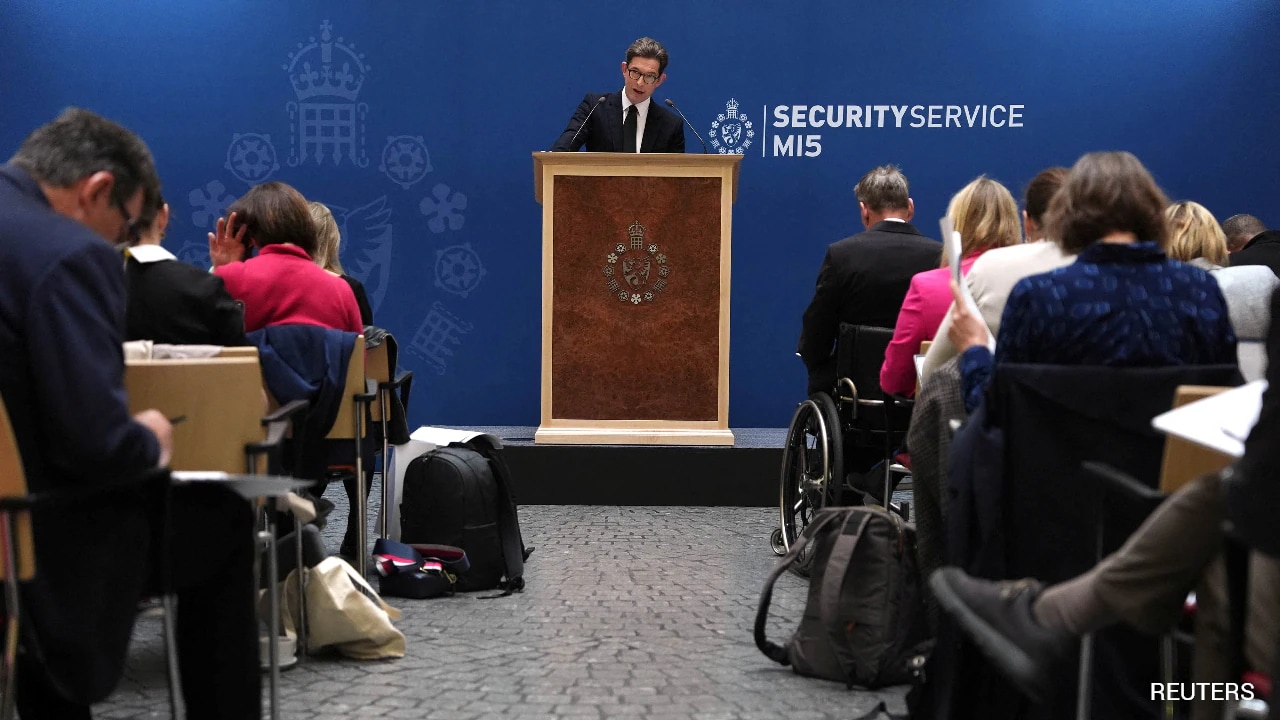
Spy chiefs don't normally panic in public. When the head of MI5 steps up to the microphone to lay out national security risks, you listen. Ken McCallum just delivered an annual threat update that paints a grim picture for the UK. Moscow is running rampant with low-level sabotage. Tehran is using local criminals to target dissidents and military bases. Meanwhile, artificial intelligence is handing dangerous tools to bad actors faster than security agencies can patch the holes.
If you think modern espionage is all about guys in trench coats swapping briefcases in tube stations, you are living in the past. Today's security threats look like a chaotic mix of state-backed proxy warfare, radicalized teenagers online, and machine-learning models built to bypass biometric checks. Let's break down what's actually happening behind closed doors in British intelligence.
Russia as Aggressor Number One
Moscow is playing a dirty game right now. McCallum didn't mince words, labeling Russia the top hostile state actor pushing hybrid warfare tactics against Western nations. Moscow denies everything, obviously. But reality on the ground tells a different story.
Since the invasion of Ukraine kicked off, Western intelligence agencies have kicked out roughly a thousand Russian diplomats from various embassies. That diplomatic purge crippled traditional spy networks. Russia can't rely on classic handlers with diplomatic immunity to run operations anymore.
So, what do they do instead? They outsource.
Moscow now recruits native volunteers and uses low-level criminal proxies to carry out arson, surveillance, and sabotage across Britain and Europe. It is cheap, deniable, and stays just below the threshold that would force NATO into a direct military response. You don't need a trained Russian intelligence officer to plant a tracking device when you can pay a desperate local criminal a few thousand pounds to do it.
The Iranian Threat Matrix
Russia isn't the only state actor treating British soil as a playground. Tehran has sharply escalated its hybrid campaign over the past year.
MI5 has tied Iranian operations to more than fifty arrests in the UK. A massive chunk of those plots aimed straight at Jewish communities, Israeli interests, and exiled Iranian dissidents living in London. But Tehran has also gotten bolder. Security services noticed a shift toward hard targets. We are talking about attempts to compromise sensitive military sites.
Just like Moscow, Iran loves using criminal gangs as human shields. By hiring local thugs to handle the dirty work, Iranian handlers keep their hands clean. It creates a massive headache for local police forces who have to figure out if a minor street crime is actually an attempted assassination or state-sponsored reconnaissance.
When Artificial Intelligence Goes Dark
Let's talk about the tech side. Artificial intelligence is completely rewriting the rules of national security, and mostly for the bad guys.
McCallum pointed out that AI is supercharging the cybersecurity contest between attackers and defenders. Bad actors use machine learning to write sophisticated phishing emails, generate hyper-realistic propaganda, and bypass multi-factor authentication systems. MI5 has caught potential attackers using AI to optimize drone flight paths and improve target reconnaissance.
The scarier part? Bioweapons.
Security agencies worry that terrorists will use advanced AI models to figure out how to synthesize dangerous pathogens or engineer new biological threats from scratch. Human history has zero precedent for dealing with an entity smarter than us. When machine learning can out-think human security analysts, traditional defense strategies break down. We are entering uncharted territory.
The Radicalization of Children
Domestic terrorism hasn't gone away either. The UK threat level sits at severe, meaning an attack remains highly likely. While Al Qaeda and Islamic State still inspire lone-wolf actors, a different trend has taken over domestic case files.
Extreme anti-immigration and anti-Muslim grievances are bleeding into actual terrorist plots at an alarming rate. Worse yet, the perpetrators are getting younger.
MI5 had to investigate a thirteen-year-old child radicalized entirely online by extreme right-wing ideology. That kid came dangerously close to launching a lethal attack before an international partner agency stepped in and stopped it. When children can be radicalized in their bedrooms by fringe internet forums, conventional counter-terrorism models struggle to keep pace.
Staying safe isn't about waiting for governments to fix everything. Keep an eye on digital hygiene, stay critical of what you see online, and recognize that modern threats don't wear uniforms.