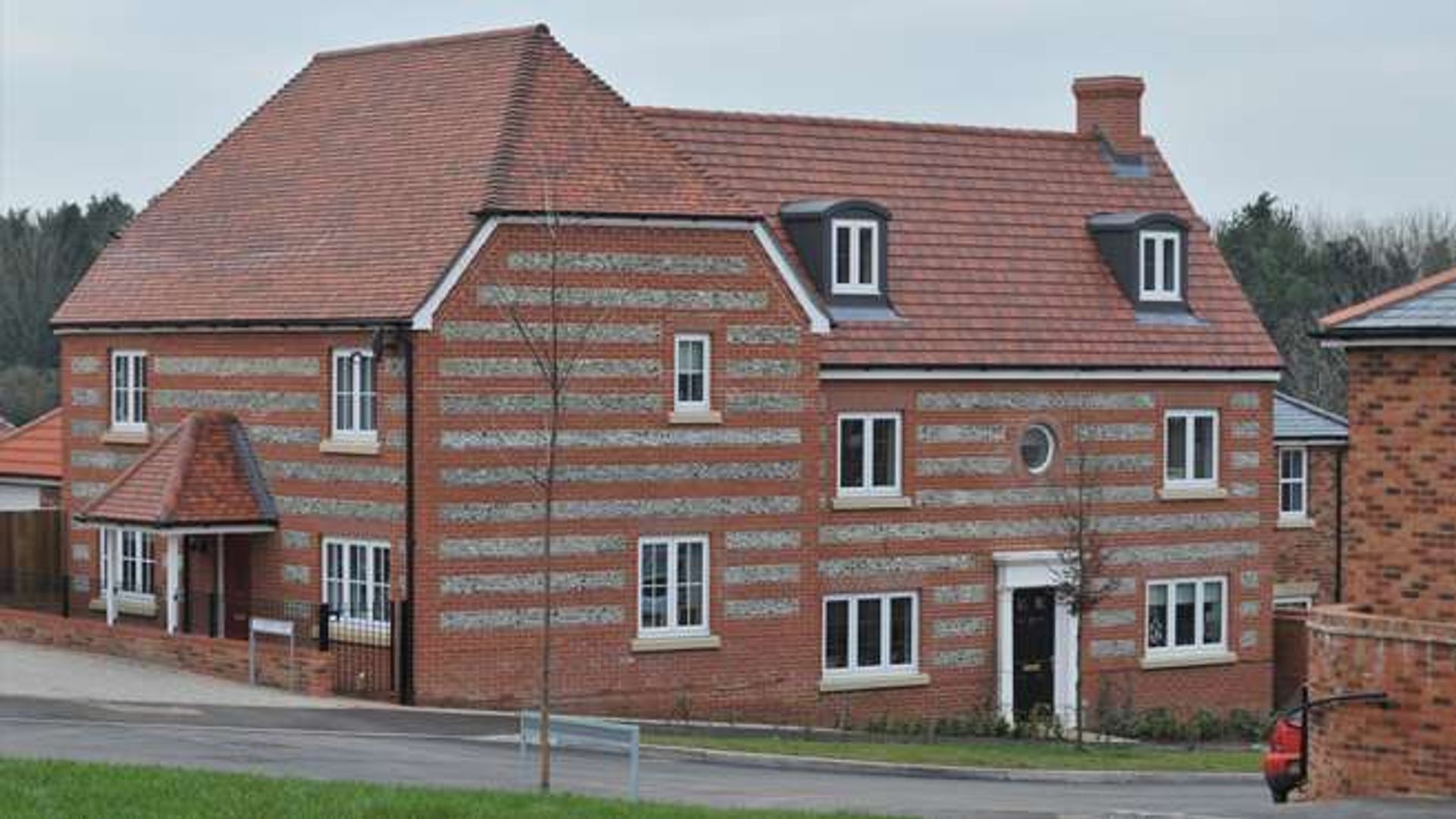
Military housing isn't broken because nobody cares. It's broken because the Ministry of Defence is trying to run a massive property developer operation using the habits of a contracting office that spent decades handing off responsibility.
That reality hit center stage when the House of Commons Public Accounts Committee warned that the MoD severely lacks the skills and expertise needed to overhaul poor-quality accommodation for armed forces families. Around nine in ten service family homes need serious improvement, with roughly 43,000 homes needing upgrades and about 14,000 requiring substantial refurbishment or replacement. Worse still, MPs said they weren't convinced the government fully grasps how severe daily living conditions have become for personnel and their families.
If you're searching for what this warning actually means, here's the bottom line. Money alone won't fix damp, mould, heating faults, or years of underinvestment if the department doesn't have commercial, construction, and estate-management talent inside the building. You can't write a ten-year strategy, announce a shiny new housing body, and expect contractors to magically deliver better homes without tighter oversight and real delivery muscle.
Why Military Housing Remains Such a Mess
Spend five minutes talking to service families or reading parliamentary evidence and a clear pattern jumps out. Families deal with repeat repairs, slow turnarounds, and properties that feel stuck in another era while they're already juggling postings, school moves, and operational deployments. Honestly, when you're posted somewhere unfamiliar and the boiler dies or damp spreads across a bedroom wall, a slow ticket system isn't a minor annoyance. It wears people down fast.
Part of the problem comes down to mismatch. The MoD itself has acknowledged having the wrong houses of the wrong size and shape in the wrong place, alongside thousands of empty or unusable homes sitting in the portfolio. Add years of "fix on fail" maintenance instead of planned upkeep, and the backlog snowballs. Even where progress has started—such as refurbishing 1,250 of the worst-hit homes in 2025, targeting another 2,000 in 2026, and cutting active home quality complaints from 4,200 in November 2022 to 60 by July 2026 according to figures cited in the House of Commons Public Accounts Committee report on armed forces housing and Annington Homes—the pace still feels fragile against a decade-long mountain of work.
There's also a retention angle that defense planners can't afford to wave away. Poor accommodation doesn't just make life harder at home. It pushes trained people toward the exit door when recruiting and keeping experienced personnel already takes a beating.
The Property Developer Gap Inside the MoD
Buying back the Annington estate closed out a controversial 1996 sale-and-leaseback chapter that the National Audit Office previously estimated left the MoD around £14.5 billion worse off by 2024. Getting control back matters. Yet owning more of the estate flips the MoD's job description overnight.
Historically, defense officials acted mostly as contract managers—letting out deals like National Accommodation Management Services and Regional Accommodation Maintenance Services, or relying on private finance arrangements—rather than acting like a true master developer. Now the department's Defence Housing Strategy pairs a ten-year renewal push backed by £9 billion with plans for a new Defence Housing Service scheduled to launch formally in April 2027, plus ambitions to build over 100,000 homes across defense development land for military and civilian use.
Here's where theory collides with reality. Ambition is cheap on paper; commercial execution is hard. Developing land at scale, negotiating complex private-sector partnerships, sequencing phased refurbishments over ten years, and holding contractors to firm service standards require specialized talent that government departments frequently struggle to recruit and keep. Without clear annual milestones and phased targets showing when families will actually see upgraded homes, big ten-year numbers can easily sound like wishful thinking.
What Service Families and Watchdogs Keep Asking
People following the story usually ask the same practical questions once the headline fades.
Will a New Housing Body Actually Speed Up Repairs?
A dedicated Defence Housing Service sounds promising on paper because it puts housing focus under one roof instead of scattering accountability. Still, an organizational chart doesn't swing a hammer or stop a contractor from closing a job before a family signs off. Real improvement depends on enforceable performance metrics, clear budgets that don't get raided whenever defense equipment costs spike, and genuine say for residents when repairs happen.
How Does Building 100,000 Homes Affect Families Right Now?
It doesn't fix a leaking roof tomorrow. Large-scale housebuilding on defense land takes years of planning, infrastructure work, and private-sector delivery. Watchdogs have also pressed the MoD to explain how those land plans interact with wider government housing pressures, including resettlement and asylum accommodation schemes, and how military families stay first in line rather than getting lost in competing national priorities.
Why Does This Keep Happening Despite New Strategies?
Because strategies get launched with fanfare, while day-to-day execution happens in the boring details. Miss a milestone in year two, delay a refurbishment tranche in year three, and suddenly the back end of a ten-year plan becomes an impossible catch-up sprint. You see that pattern across big public infrastructure programs time and again—grand vision up front, thin delivery detail in the middle.
Practical Next Steps If You're Affected or Tracking Delivery
If you're a service family living in service family accommodation or a civilian watching how defense policy plays out, don't rely on headlines alone. Take concrete steps that protect you or hold officials to account:
- Document every fault with dates and photos. Keep a simple log of every damp patch, heating failure, pest issue, or broken fixture, along with dates, reference numbers, and messages with maintenance providers. Paper trails matter when escalating unresolved work.
- Use formal complaint and feedback routes early. If a repair stalls or gets closed prematurely, escalate through the formal two-stage complaints process and feed local issues into resident and regional experience forums rather than letting problems sit unrecorded.
- Track annual delivery milestones, not just ten-year headlines. Watch what actually gets completed each year—homes refurbished, empty properties brought back into use, and concrete timelines for the Defence Housing Service—instead of taking multi-year targets at face value.
- Raise unresolved pattern issues with your MP. Constituency MPs and parliamentary committees pay close attention to specific examples of recurring maintenance failures, safety hazards, and family hardship when scrutinizing defense spending.