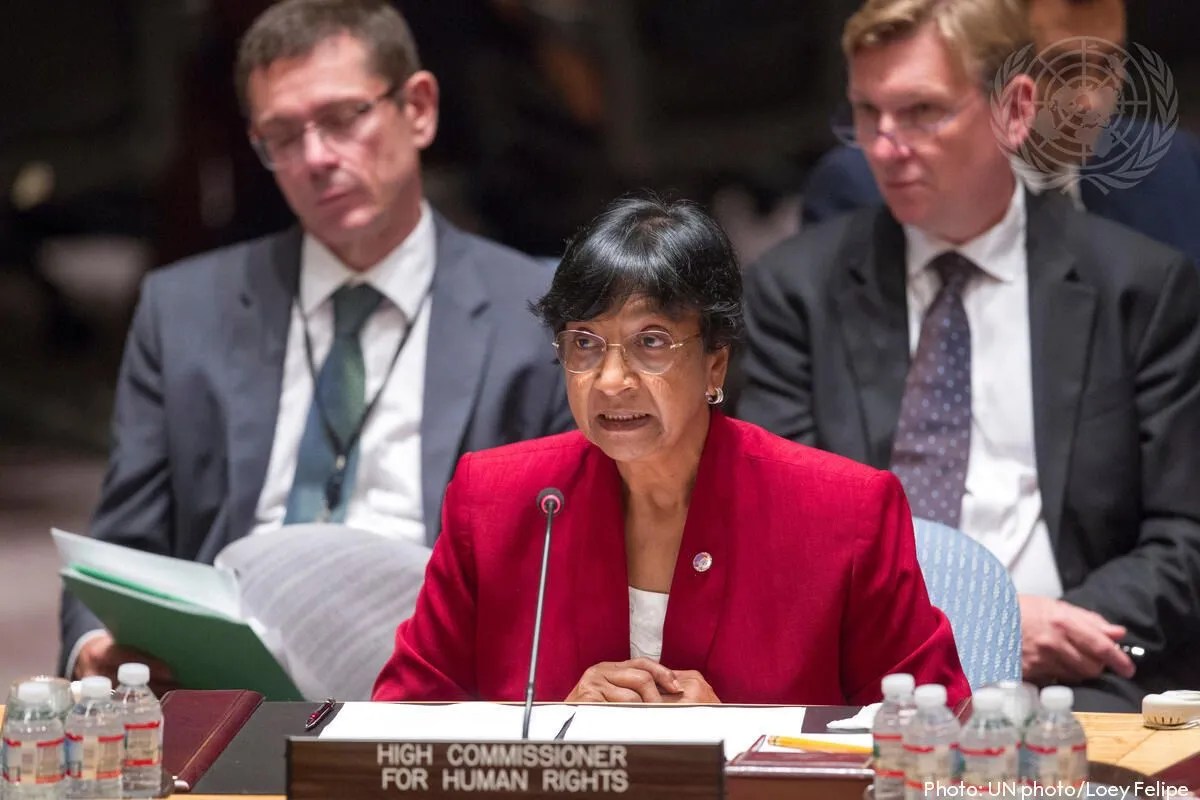
International law is taking a beating right now, so the Norwegian Nobel Committee did something bold. They handed the 2026 Nobel Peace Prize to Navanethem Navi Pillay. If you are wondering why a former UN human rights chief and South African jurist just claimed one of the world's most prestigious honors, look at the state of global justice today. Pillay got the nod for her lifelong defense of international law and human rights, reminding everyone that peace isn't just the absence of war. It's about accountability.
Let's clear up the background right away. Pillay isn't some corporate consultant or trendy political figure. Born in Durban in 1941 to Tamil-origin parents, she grew up under the brutal apartheid system in South Africa. Her father drove a bus, and her mother was a homemaker. She didn't inherit power. She had to fight for every single inch. In 1967, she became the first woman to open a law practice in the Natal province. She spent her days representing anti-apartheid activists, political detainees, and people tortured by a regime designed to crush them. When people talk about paying dues in the legal trenches, Pillay wrote the manual. If you liked this post, you should read: this related article.
People always focus on the grand headlines, but they miss the gritty reality of her courtroom battles. In 1995, she became the first Black woman appointed to South Africa's High Court. Soon after, she took on a massive role at the International Criminal Tribunal for Rwanda. As a judge and later tribunal president, she worked on the landmark Akayesu case. That ruling wasn't just a legal footnote. It officially established that rape and sexual violence could constitute acts of genocide under international law. Think about that for a second. Before her court ruling, war crimes involving sexual violence were routinely swept under the rug as unfortunate side effects of conflict. Pillay changed that legal reality forever.
Then came her tenure as the United Nations High Commissioner for Human Rights from 2008 to 2014. She didn't play diplomatic games or sugarcoat human rights abuses to keep member states happy. She called out war crimes in Sri Lanka, criticized brutal crackdowns in the Middle East, and constantly pushed powerful nations to respect international norms. She later served at the International Criminal Court. She basically spent decades telling dictators, war criminals, and abusive states that they cannot hide behind national sovereignty. For another look on this event, refer to the latest update from USA.gov.
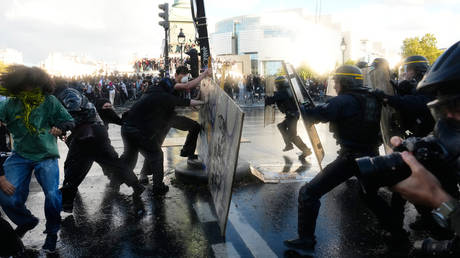
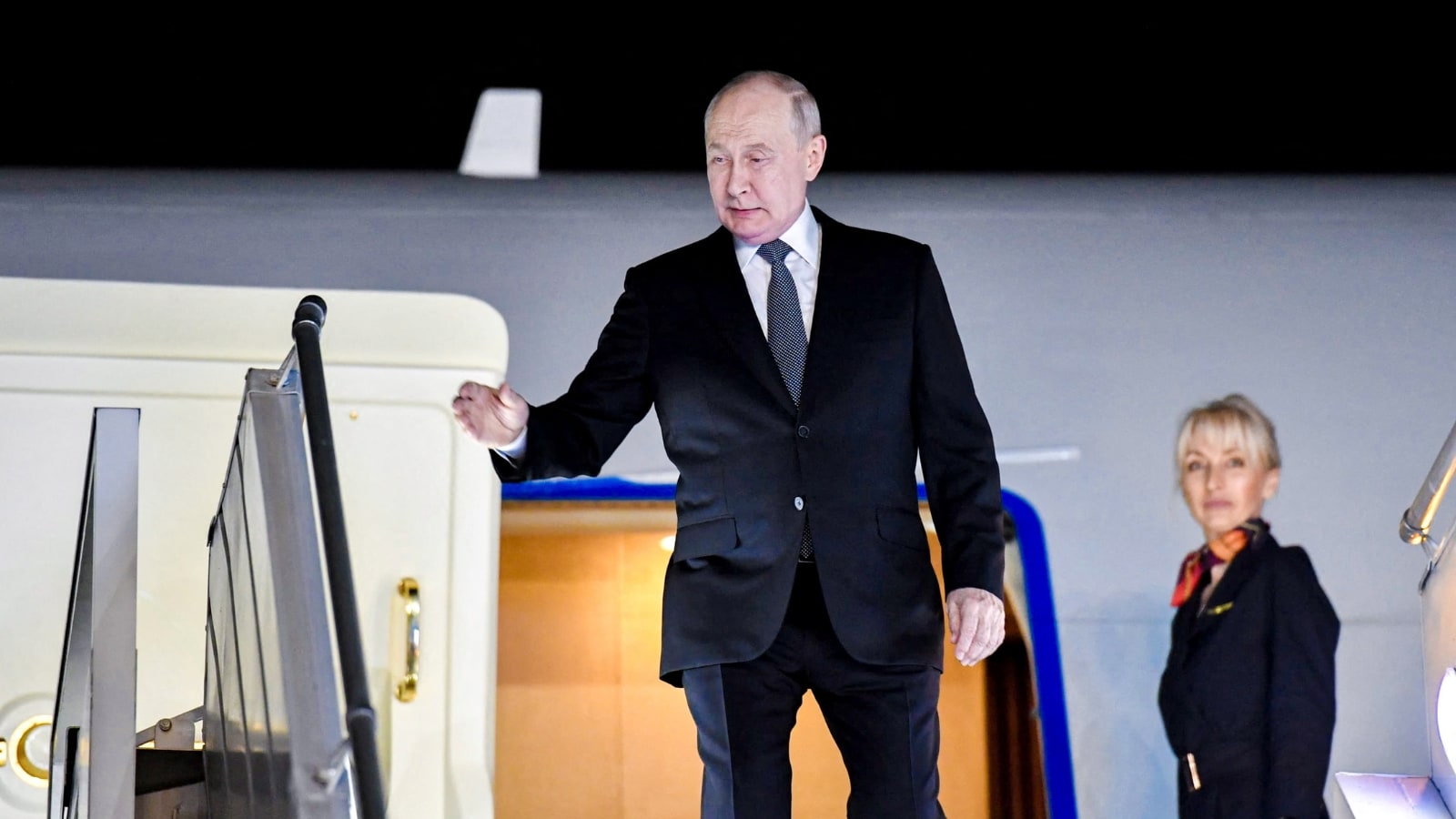
Of course, whenever October rolls around, the media circus ramps up with predictable speculation. This year was no different. Donald Trump made it clear he felt he deserved a nod, pointing to various diplomatic interventions and demanding recognition. But the Nobel Committee doesn't hand out gold medals based on self-promotion or media lobbying. They went with someone whose entire life has been dedicated to upholding the rule of law when power tried to crush it. Pillay even reacted to the news from Nuremberg, Germany, pointing out that attempts to weaken international criminal justice drag the world backward into an era where pure power dictates whose suffering matters.
You don't need a heavy policy brief to understand why this award matters right now. Institutions built to protect civilians are cracking under pressure. Autocrats are testing boundaries. By honoring Pillay, the Nobel Committee sent a sharp message. Guns and political leverage might dominate headlines, but long-term peace collapses without justice.
If you want to track how global policy actually shifts, stop watching the daily political theater. Look at the international courts, the human rights defenders, and the legal frameworks holding fragile societies together. Support organizations fighting for legal accountability, educate yourself on how international tribunals function, and pay attention to the legal guardrails protecting vulnerable populations before they disappear.