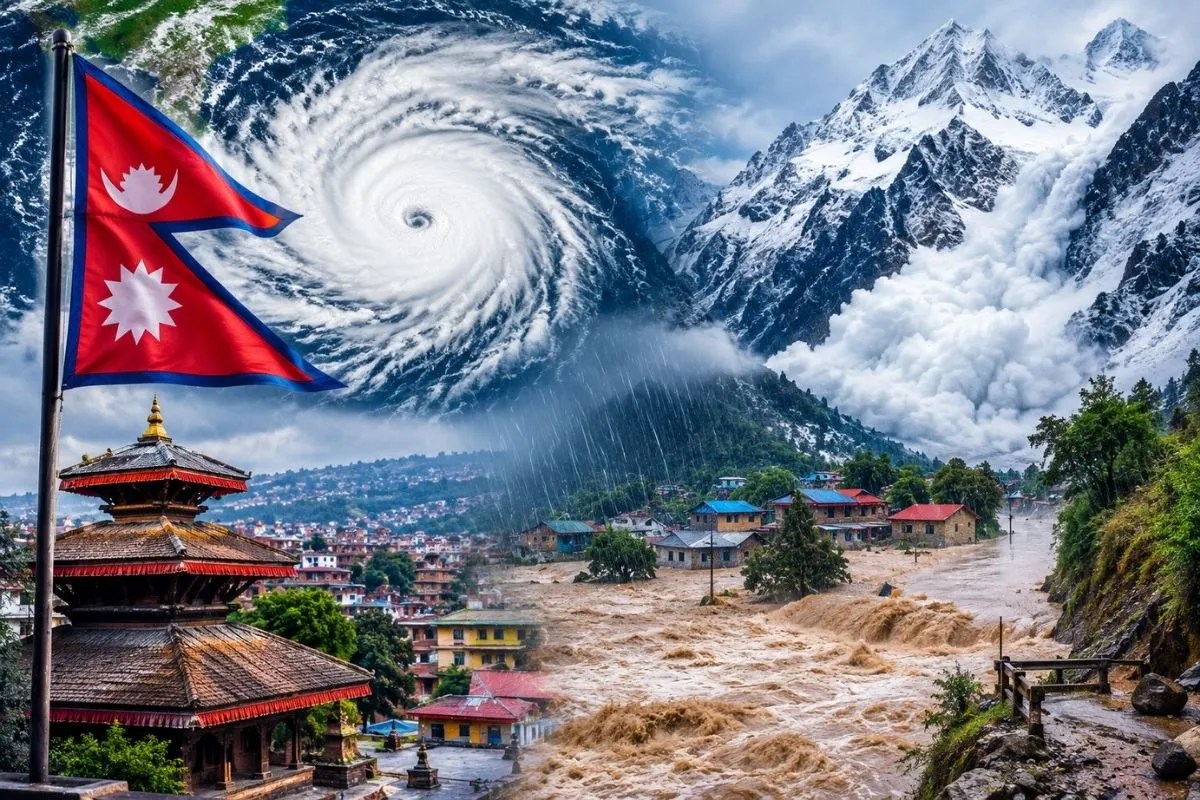
Severe weather doesn't usually care about seasonal transitions, but the latest meteorological update from Kathmandu proves nature loves a harsh surprise. Nepal's National Disaster Risk Reduction and Management Authority just issued a severe three-day alert spanning October 29 through October 31. If you're anywhere near the Himalayan region, you need to pay attention.
The catalyst behind this sudden emergency is Cyclone Arnab, churning fiercely over the Bay of Bengal. As this powerful system tracks inland following an expected landfall in India, its outer bands are hauling a massive moisture punch straight toward the mountains. Mountain weather can flip from calm to catastrophic in minutes, and this setup is spelling serious trouble across multiple provinces. For a different view, consider: this related article.
Which Regions Are in the Crosshairs?
The impact won't be evenly distributed, but five specific provinces face the brunt of the incoming fury. Koshi, Bagmati, Madhesh, Gandaki, and Lumbini are right in the target zone. Starting late Wednesday night, residents across these areas should brace for sudden torrential downpours, violent lightning storms, and fierce wind gusts capable of ripping down power lines and damaging temporary structures.
Further west, Karnali and Sudurpashchim aren't escaping unscathed either. While their primary threat leans toward scattered heavy downpours and sudden squalls, isolated cloudbursts could easily trigger rapid flash flooding in narrow river valleys. Similar coverage on this matter has been published by BBC News.
The Hidden Danger in the Higher Altitudes
Most people hear cyclone and immediately think of coastal flooding. But Nepal's geography turns this tropical threat into an entirely different beast. When heavy moisture collides with freezing high-altitude terrain, rain turns into blinding whiteouts.
The upper reaches of these provinces and remote Himalayan trekking routes face severe risks of heavy snowfall, sudden blizzards, and major avalanches. October and November usually attract thousands of trekkers chasing clear post-monsoon mountain views. Right now, being caught above the tree line is a life-threatening mistake. Authorities have strongly urged tourists and local guides to stay put in safe lodges and abandon any planned ascents until the system clears.
What You Should Do If You're Traveling or Living Locally
Disaster management teams aren't messing around this time, and neither should you. Local governments are activating emergency response units, but rescue operations in remote Himalayan terrain are painfully slow when weather conditions deteriorate completely.
If you're currently in Nepal or planning a trip through the hills over the next few days, keep your gear packed, stay glued to local meteorological updates, and avoid riverbanks and steep slopes entirely. Nature holds all the cards this week, and respecting the warning is the only smart move left on the board.