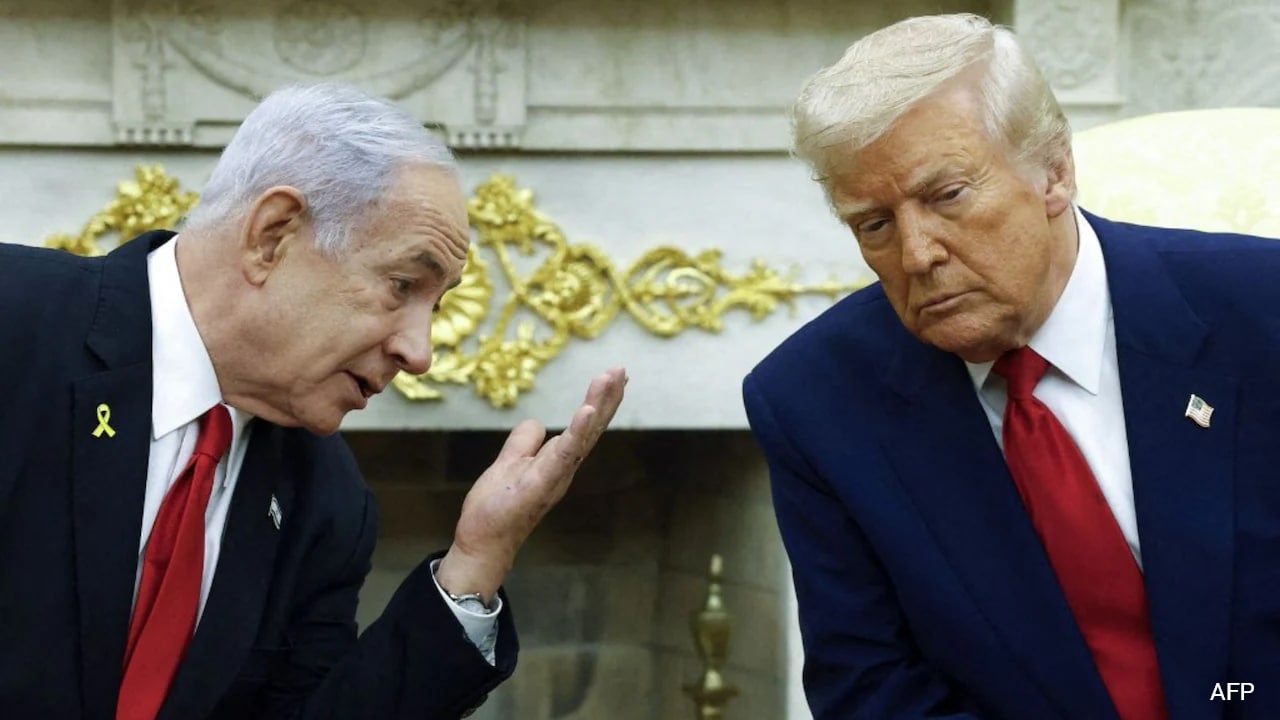
If you want to understand why Washington and Jerusalem are currently locked in a quiet diplomatic tug-of-war, look no further than the telephone line. Israeli Prime Minister Benjamin Netanyahu has reportedly been calling US President Donald Trump on a daily basis, urging him to throw out ongoing negotiations and resume military strikes against Iran.
It’s an aggressive, relentless lobbying campaign. While the White House tries to wind down a costly conflict that has drained billions and battered domestic poll numbers, Netanyahu wants a renewed offensive designed to force the total collapse of Iran’s regime. This daily pressure campaign is creating immense friction behind closed doors, exposing a deep fracture in how America and Israel view the endgame in West Asia.
The Daily Phone Calls and the White House Pushback
According to reports citing insiders briefed on the high-level discussions, Netanyahu’s persistence has alarmed officials
Why Netanyahu Keeps Calling Trump Every Single Day
news
Foreign policy isn't run through quiet diplomatic channels anymore. It runs through direct phone lines, daily check-ins, and high-stakes lobbying that bypasses traditional state departments. Reports indicate that Israeli Prime Minister Benjamin Netanyahu contacts Donald Trump on a daily basis to push for renewed strikes against Iran. This daily pressure campaign isn't just about military strategy. It's a calculated effort to shape the geopolitical reality of the Middle East before windows of opportunity close.
Most analysts miss the sheer urgency driving these calls. When leaders talk every day, urgency replaces bureaucracy. Netanyahu isn't waiting for formal summits or ambassadorial memos. He wants an active, aggressive posture against Tehran's nuclear ambitions and proxy networks, and he knows that building momentum with a returning or active US administration requires relentless reinforcement.
The Anatomy of Daily Pressure
Diplomacy is usually slow. It moves through tiers of advisors, security councils, and draft communiques. Daily direct communication shatters that template. By keeping a direct line open, Netanyahu ensures that Iran remains at the top of the American security agenda.
Think about how political attention works. Cabinets are pulled in a thousand directions at once—domestic inflation, border security, trade wars, and European defense. If you aren't shouting the loudest, you get ignored. Netanyahu's daily outreach ensures he never gets ignored. He acts as a constant reminder of unfinished business in Tehran.
Why Iran strikes remain central to this dialogue comes down to a fundamental disagreement on containment versus elimination. Israel views Iran's nuclear program and regional proxies like Hezbollah and the Houthis as an existential, ticking clock. Waiting for sanctions to work feels like a luxury Israel believes it doesn't possess.
What the Headlines Miss
The media loves to frame these interactions as simple political pressure or interference. That misses the strategic alignment between the two leaders' worldviews. Trump has long favored maximum pressure campaigns, while Netanyahu views direct military deterrence as the only language Tehran respects.
When you look past the drama of daily phone calls, you see a broader negotiation over limits. Israel wants American backing—or at least American non-hindrance—for deep kinetic action against critical Iranian infrastructure. Washington, meanwhile, has to weigh the immense risk of regional escalation, spikes in global oil prices, and American military exposure.
This daily friction creates a unique diplomatic dance. Netanyahu pushes for immediate action. American planners look at the second-order effects. Every conversation tests the boundaries of how far Washington is willing to go to support Israeli military initiatives.
The Regional Fallout
If these daily calls translate into renewed strikes against Iran, the fallout won't be localized. Energy markets will react instantly. Proxy groups will test Israeli and American defenses from Lebanon to the Red Sea.
Yet, the alternative from Jerusalem's perspective is far worse. Allowing Iran to cross the nuclear threshold unchecked means living under a permanent existential threat. That reality explains why Netanyahu is willing to spend political capital and personal bandwidth on daily calls. He's trying to secure a strategic shift that outlasts current political cycles.
Pay close attention to how security assistance and intelligence sharing shift in the coming months. Daily phone calls don't happen in a vacuum. They build habits of alignment, test resolve, and ultimately shape whether diplomatic words turn into military fire. Watch the actions, ignore the noise, and recognize that the Middle East is being rewritten one daily conversation at a time.