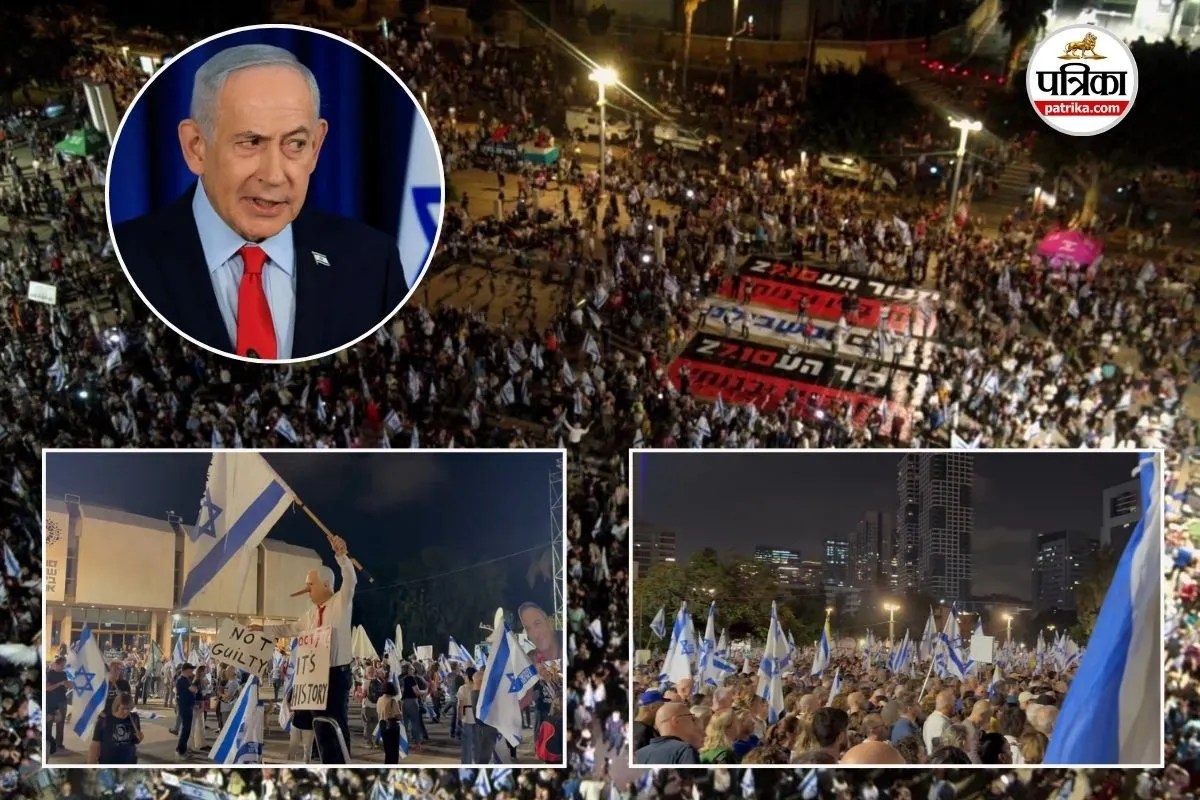
Benjamin Netanyahu's political grip is slipping, and the math in the Knesset just doesn't add up for him anymore. Following the high-stakes legislative elections, Israel's political landscape has plunged into a familiar yet intensified crisis. Neither the right-wing bloc led by Likud nor the fragmented opposition camp has secured the magic number of 61 seats required to form a governing majority on their own.
This deadlock has forced Israel's political players into uncomfortable calculations. If Netanyahu is going to be unseated after years of dominance, opposition leaders are realizing they can't ignore the kingmakers sitting on the Arab benches.
The Numbers That Broke the Right-Wing Majority
Elections don't happen in a vacuum, and the latest electoral cycle shattered old certainties. Netanyahu's Likud finished with 27 seats, remaining the largest single party, but his broader nationalist-religious bloc fell short of a majority. On the other side, opposition factions like Yashar, led by Gadi Eisenkot, and Yair Golan’s Democrats made notable gains but remain equally blocked without external bridges.
Enter the Arab-led parties, specifically the Joint List and Ra'am, which saw a surge in voter turnout. Together, they command a significant block of seats in the 26th Knesset. Figures like Joint List leader Yousef Jabareen have made it clear that while formal coalition membership might be a bridge too far, outside support for an opposition-led government to push Netanyahu out of office is firmly on the table.
You see, the old taboo of cooperating with Arab parties is colliding with raw political survival. Opposition figures are arguing that refusing to engage with Arab representatives basically hands victory back to Netanyahu on a silver platter.
The Backlash and Campaign Rhetoric
Netanyahu isn't going down quietly. As the vote tallies showed him losing his parliamentary footing, his camp launched aggressive appeals to right-wing voters, pointing to high turnout in Arab-majority towns like Rahat. Critics have accused the prime minister of resorting to heavy-handed rhetoric to delegitimize the soaring Arab voter turnout, framing the democratic participation of Palestinian citizens of Israel as an existential threat to the right.
Avigdor Lieberman didn't hold back either, tearing into Netanyahu's tactics and accusing him of fracturing the nationalist camp just to cling to power. When politicians start accusing each other of running operations akin to criminal organizations, you know the stakes have moved past standard policy disagreements.
What Happens Next in the Knesset
Forming a stable government is going to require acrobatic negotiations that could take weeks. President Isaac Herzog is set to receive the official results, and the scramble to build alliances will test every leader's flexibility.
Opposition parties face a stark choice. They can stick to ideological purism, refuse to cross traditional red lines, and watch Netanyahu cobble together another fragile minority or trigger yet another election cycle. Or, they can swallow their pride, talk directly with Arab leaders, and construct a functional alternative.
The ground has shifted beneath Israel's political establishment. Netanyahu has survived countless political obituaries before, but this time, the arithmetic and the sheer exhaustion of the electorate are pointing toward a very different finish line.