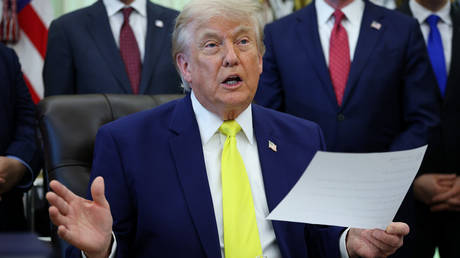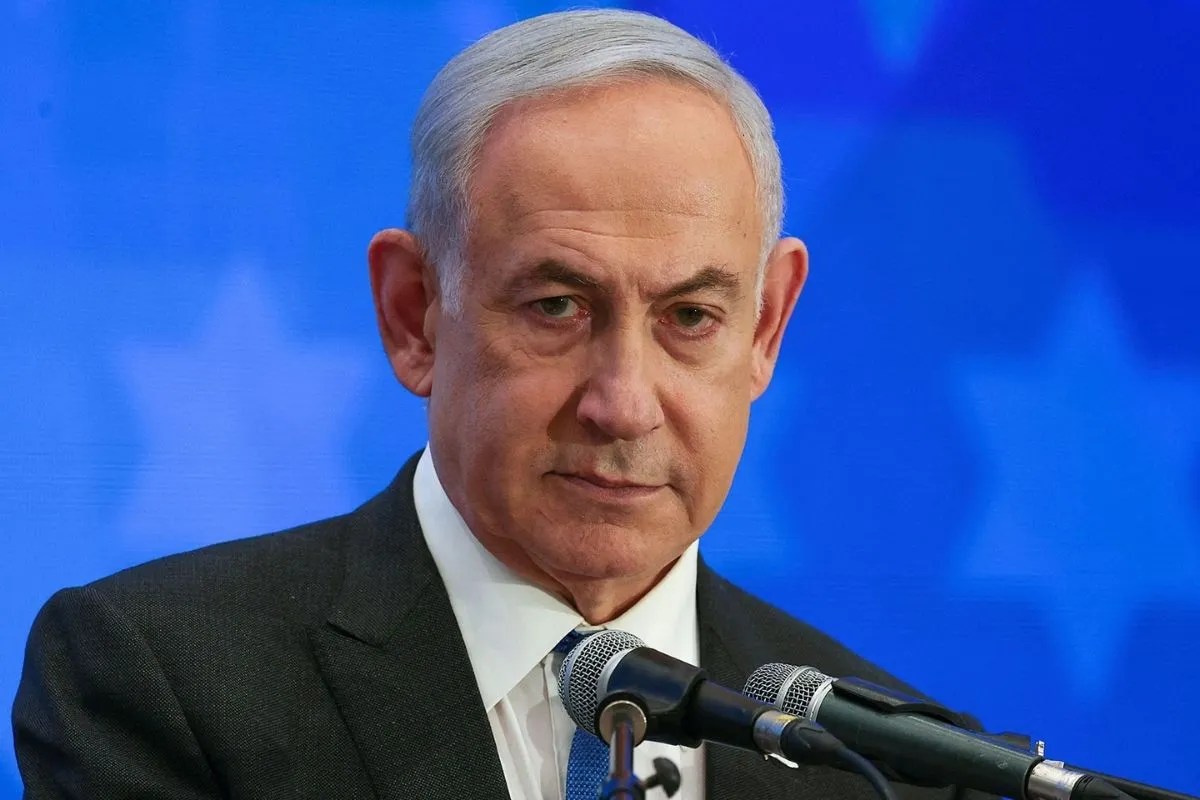
Middle East politics never slows down. Right now, Benjamin Netanyahu is making headlines by claiming that Donald Trump wants his help to finish the job against Iran. It's a bold assertion. It also signals a massive shift in how Washington and Jerusalem might handle Tehran in the coming months.
Let's look at what's actually happening behind the scenes. Netanyahu didn't just throw out a casual comment. He made it clear during recent statements that the incoming American administration views him as the primary partner for total alignment on Iran. If you've been following the ongoing chess match between Israel and Iran, you know the stakes couldn't be higher. Tehran's nuclear ambitions and regional proxy networks have kept Israeli defense planners awake at night for decades. Now, the return of Donald Trump to the White House changes the math entirely.
What Netanyahu's Claim Actually Means
When leaders talk about finishing the job, they aren't speaking in code. They mean dismantling the structural threats that emanate from Tehran. Netanyahu's recent warnings weren't diplomatic pleasantries. He explicitly stated that any future Iranian aggression would be met with a response far beyond anything Tehran's leadership currently imagines.
Trump has always favored a maximum pressure approach. During his first term, Washington tore up the Iran nuclear deal and slammed heavy economic sanctions on the regime. Back then, the strategy leaned heavily on economic strangulation and targeted operations. This time around, with Netanyahu openly declaring a shared mission, the coordination could look a lot more aggressive.
You have to ask yourself: how does Iran respond to this kind of public posturing? Tehran isn't sitting quietly. Iranian officials routinely dismiss these warnings as psychological warfare, but their military posture tells a different story. They've reinforced air defenses, boosted underground missile facilities, and kept their regional proxy groups on high alert.
The High Stakes of US-Israel Coordination
The relationship between Washington and Jerusalem has always been complex, but when it comes to Iran, both governments have found rare common ground. Netanyahu's latest remarks underscore a deep strategic trust with Trump.
Consider the practical implications. Israel has spent years carrying out shadow operations, cyberattacks, and targeted strikes against Iranian assets in Syria and beyond. But a comprehensive campaign against Iran's core infrastructure requires intelligence sharing, diplomatic cover, and military hardware that only the United States can fully provide.
- Intelligence Sharing: Real-time tracking of Iranian leadership and military movements.
- Defensive Backing: Intercepting incoming ballistic missiles and drones before they hit Israeli population centers.
- Economic Isolation: Tightening global oil sanctions to choke off the funds that fuel proxy groups like Hezbollah and the Houthis.
Why This Time Is Different
We've heard tough talk from Israeli and American leaders before. So why does this feel different? Simple. The threshold for direct confrontation has dropped dramatically. Over the past couple of years, the shadow war came out into the open. Direct missile exchanges between Iran and Israel shattered long-standing taboos.
When Tehran launched massive drone and missile barrages at Israel, it crossed a line. Israel's counterstrikes proved that Israeli jets could operate over Iranian skies with relative impunity. Netanyahu knows this. Trump knows this.
If you look at global markets, energy prices are already reacting to these jitters. Traders hate uncertainty. Every time a high-ranking official in Jerusalem or Washington hints at an imminent escalation, oil futures tick upward. The global economy remains deeply vulnerable to any disruption in the Persian Gulf or the Strait of Hormuz.
What Comes Next
Tehran faces a brutal dilemma. Back down and look weak to its own domestic populace and regional allies, or push back and risk a devastating military response from a united US-Israel front.
Netanyahu has laid his cards on the table. He's betting that Trump's unpredictable nature and willingness to break diplomatic norms will finally give Israel the room it needs to neutralize its most persistent existential threat. Whether this partnership brings lasting stability or triggers a catastrophic regional firestorm depends entirely on the next move out of Tehran. Watch the borders closely. The next chapter of this conflict is about to begin.