Tensions across the West Bank reached a breaking point following a deadly shooting near the southern city of Hebron. Israeli Prime Minister Benjamin Netanyahu responded with a stark declaration, pointing toward an imminent, large-scale military operation that could reshape security dynamics in the occupied territory. If you've been tracking regional security developments, you know that rhetoric from political leaders often signals shifts in ground tactics. But this latest announcement goes beyond standard operational updates.
The Trigger Behind the Escalation
The immediate catalyst for the crisis unfolded near the Yehuda Junction, close to Hebron. Palestinian gunmen opened fire on Israeli forces, resulting in the deaths of two soldiers and injuring three others. Security personnel at the scene eliminated the two attackers in the ensuing shootout, but the fallout was immediate.
Instead of treating the incident as an isolated security breach, the Israeli leadership framed it as part of a broader, escalating threat matrix. Netanyahu visited the area shortly after the attack and warned that the military was preparing an offensive on a scale unseen in the region since the 1967 Six-Day War.
Examining the Proposed Measures in Hebron
What makes Netanyahu's statement stand out is the specificity of the intended response. Rather than relying solely on targeted raids or temporary checkpoints, the prime minister indicated that specific clan neighborhoods associated with the attackers would face mass evacuations.
According to statements released by his office, security forces plan to enter these neighborhoods, clear out residents, go house-to-house, and dismantle local infrastructure. This approach marks a significant escalation in collective punitive measures, raising immediate questions regarding civilian displacement and the legal boundaries of counterterrorism operations under international law.
The Timing and Broader Political Context
Context matters when evaluating security decisions in Israel and the Palestinian territories. This announcement arrives amid heightened political sensitivity, occurring just days before scheduled Israeli elections and against the backdrop of ongoing conflict in Gaza. Analysts have pointed out that domestic political pressures often influence how security threats are communicated to the public.
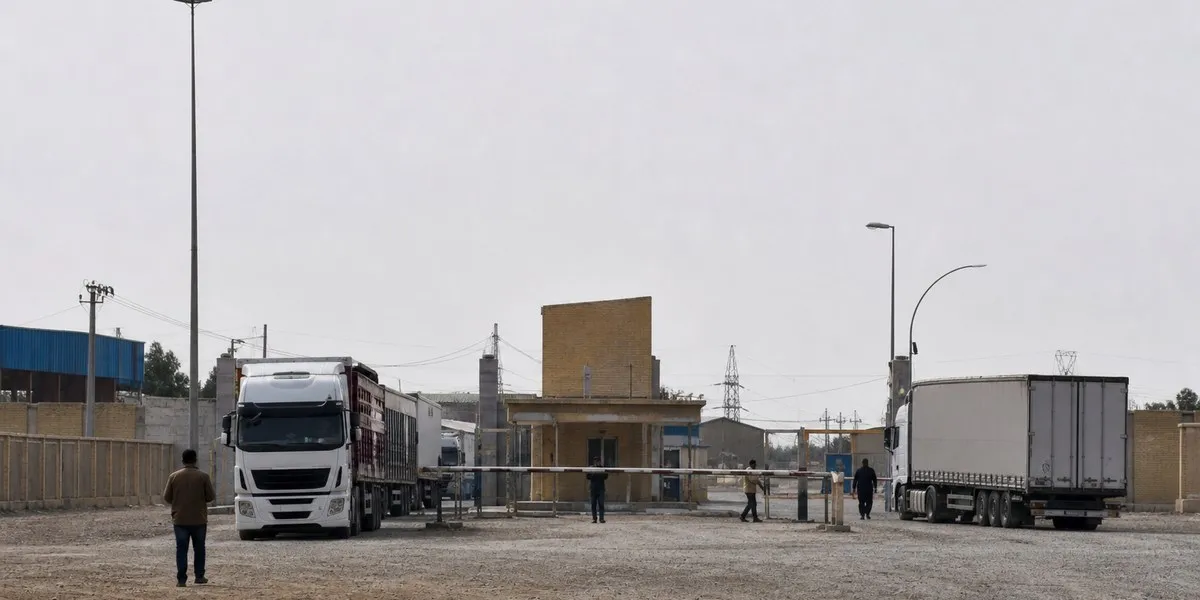
At the same time, the Israel Defense Forces imposed a strict closure on parts of the West Bank, restricting movement around Hebron and surrounding villages. Checkpoints have multiplied, commercial transit has slowed to a crawl, and thousands of Palestinian workers face severe disruptions to their daily commutes.
What Happens Next on the Ground
While Netanyahu stated that the timing of the full offensive remains under review and that the army stands ready to execute it, the practical reality on the ground has already shifted. Enhanced raids, detentions, and strict curoods are becoming the default baseline for the southern West Bank.
For residents living in Hebron and surrounding areas, the immediate future involves navigating severe movement restrictions and heightened military presence. For regional observers, the situation serves as another grim indicator that the cycle of violence shows no signs of slowing down.