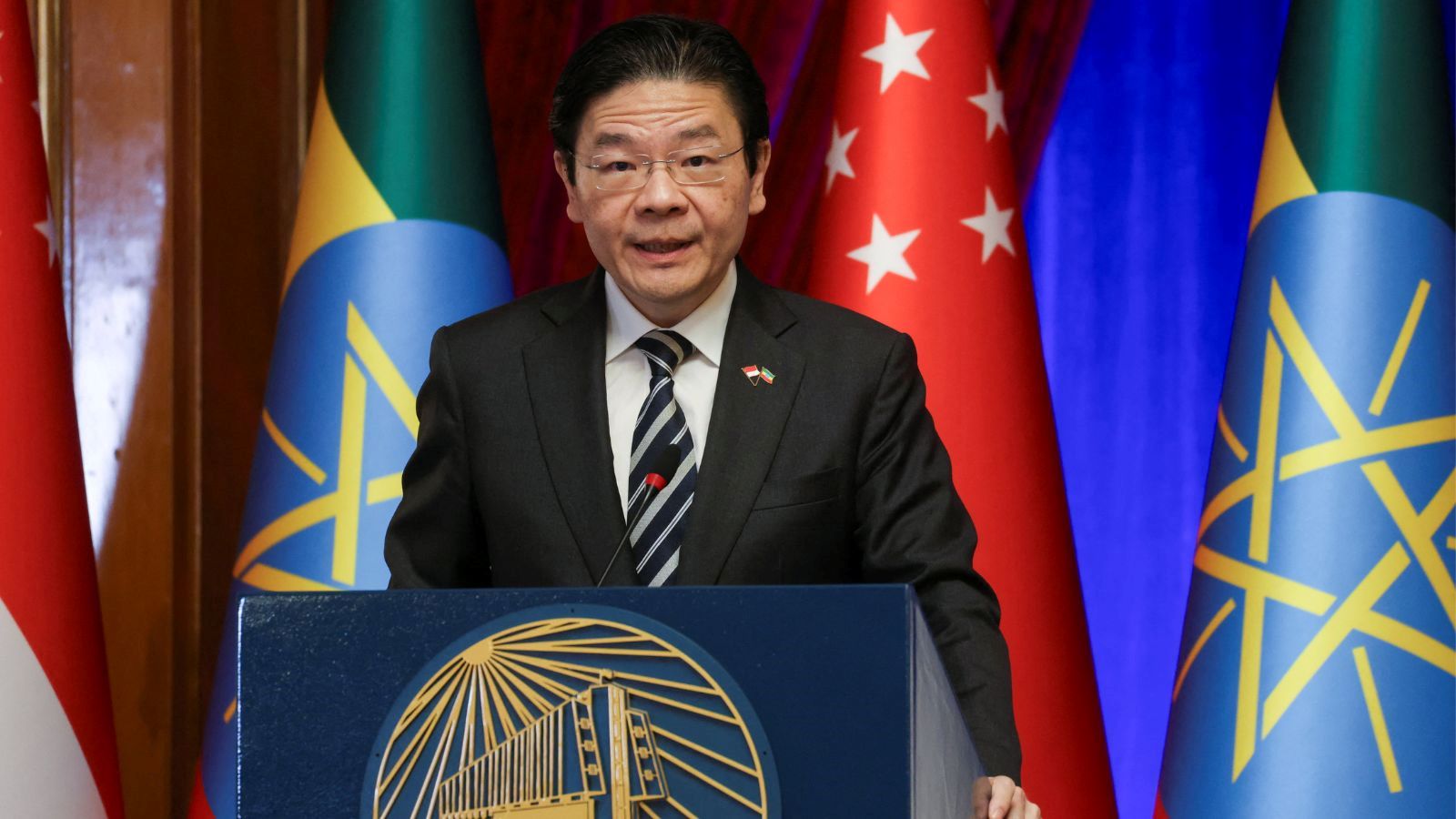
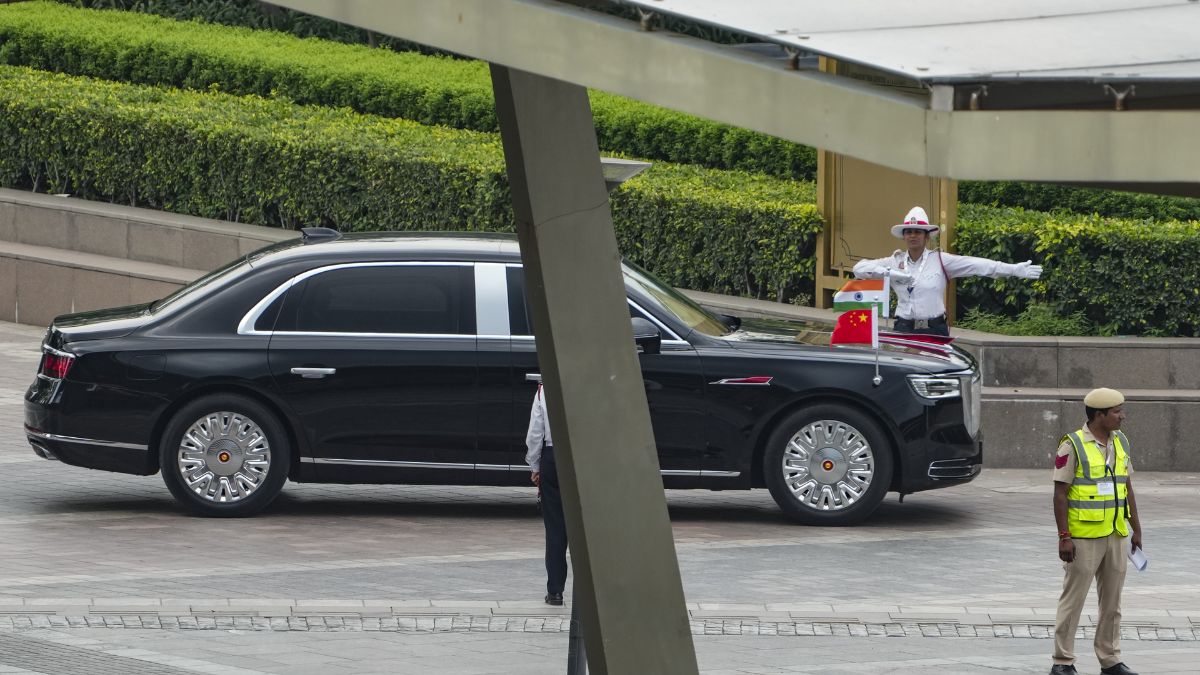
When leaders from some of the world's largest emerging economies rolled into New Delhi's Bharat Mandapam for the 18th BRICS summit, they didn't just walk into a conference hall. They stepped straight into a geopolitical pressure cooker.
Active conflicts in the Middle East and Eastern Europe, severe shipping lane bottlenecks, skyrocketing energy costs, and an aggressive tariff agenda pushed by Washington have turned this year's gathering into a high-stakes diplomatic tightrope walk. India, serving as the 2026 chair, faced the unenviable task of keeping an increasingly fractured and expanded bloc moving in the same direction.
If you want to understand where international trade and global governance are heading, look past Western capitals. Watch what happened in New Delhi.
The Weight of an Expanded Bloc
BRICS isn't just a simple five-country acronym anymore. Over the last few years, the alliance expanded to include major players like Iran, Egypt, Ethiopia, the United Arab Emirates, and Indonesia.
That expansion sounds great on paper if you want to showcase the rising influence of the Global South. In practice, it creates a massive diplomatic headache.
Take the Middle East, for instance. Iran and the United Arab Emirates both sit inside the bloc, yet they find themselves on opposite sides of severe regional hostilities involving the United States and Israel. When foreign ministers met earlier in the year to hash out a joint stance on these conflicts, they completely failed to agree on a statement.
Yet, during the New Delhi summit hosted by Prime Minister Narendra Modi, the bloc managed to adopt the New Delhi Declaration. The text pushed back against unilateral tariff and non-tariff measures, arguing that arbitrary trade restrictions distort global commerce and violate World Trade Organization (WTO) rules.
Achieving that consensus required serious backstage diplomacy. Modi had to balance warm bilateral meetings with Russian President Vladimir Putin and Chinese President Xi Jinping while simultaneously addressing freedom of navigation concerns with Iranian President Masoud Pezeshkian.
The Tariff Shadow and the US Dollar Battle
Washington is watching every move BRICS makes. US President Donald Trump didn't mince words leading up to the event, repeatedly labeling the bloc "anti-American" and threatening punishing tariffs on any member state trying to replace the US dollar or build a separate currency system.
Those threats loom large over every financial conversation within the alliance. While a single, unified BRICS currency remains a distant and complicated dream, member states are actively working on something much more practical: local currency settlements and cross-border payment interoperability.
Finance ministers and central bank governors within the bloc are fed up with relying entirely on Western financial plumbing. They want faster, cheaper, and safer ways to trade with each other using their own national currencies. When the US weaponizes financial sanctions and tariffs, it speeds up the exact decoupling it's trying to prevent.
What the New Delhi Declaration Actually Means
Don't dismiss the New Delhi Declaration as just another stack of empty diplomatic paper. It hits several concrete pain points:
- WTO Reform: The declaration demands the immediate restoration of an accessible, binding two-tier dispute settlement mechanism under the WTO to bring predictability back to international trade.
- Unilateral Sanctions: Members strongly opposed sanctions that lack UN Security Council authorization, calling them a violation of international law.
- Global Governance: The bloc threw its weight behind India and Brazil's long-standing push for permanent seats on the United Nations Security Council, arguing that current global bodies do not reflect the modern economic reality.
- Security and Supply Chains: Amid ongoing disruptions in maritime chokepoints and energy corridors, leaders stressed the critical need to protect civilian infrastructure and keep global energy flows stable.
The Real Test Ahead
The twenty-year milestone of BRICS proves the grouping has staying power. It satisfies a deep hunger among emerging economies for an alternative voice that isn't dictated by Washington, Brussels, or London.
Even so, turning economic weight into political harmony is brutally difficult. China and India have deep-seated border frictions, though Xi Jinping's visit to New Delhi—his first in seven years—signaled a deliberate effort to thaw bilateral ties. Meanwhile, countries like Brazil sent lower-level representation with Foreign Minister Mauro Vieira stepping in for President Luiz Inacio Lula da Silva, showing that domestic priorities sometimes pull members in opposite directions.
The summit in India proved that developing nations refuse to be sidelined by great power competition. How they manage their internal contradictions will define the next decade of international relations.
Stop viewing BRICS as a passing headline. Pay attention to how they build alternative financial rails. The shift is already happening.