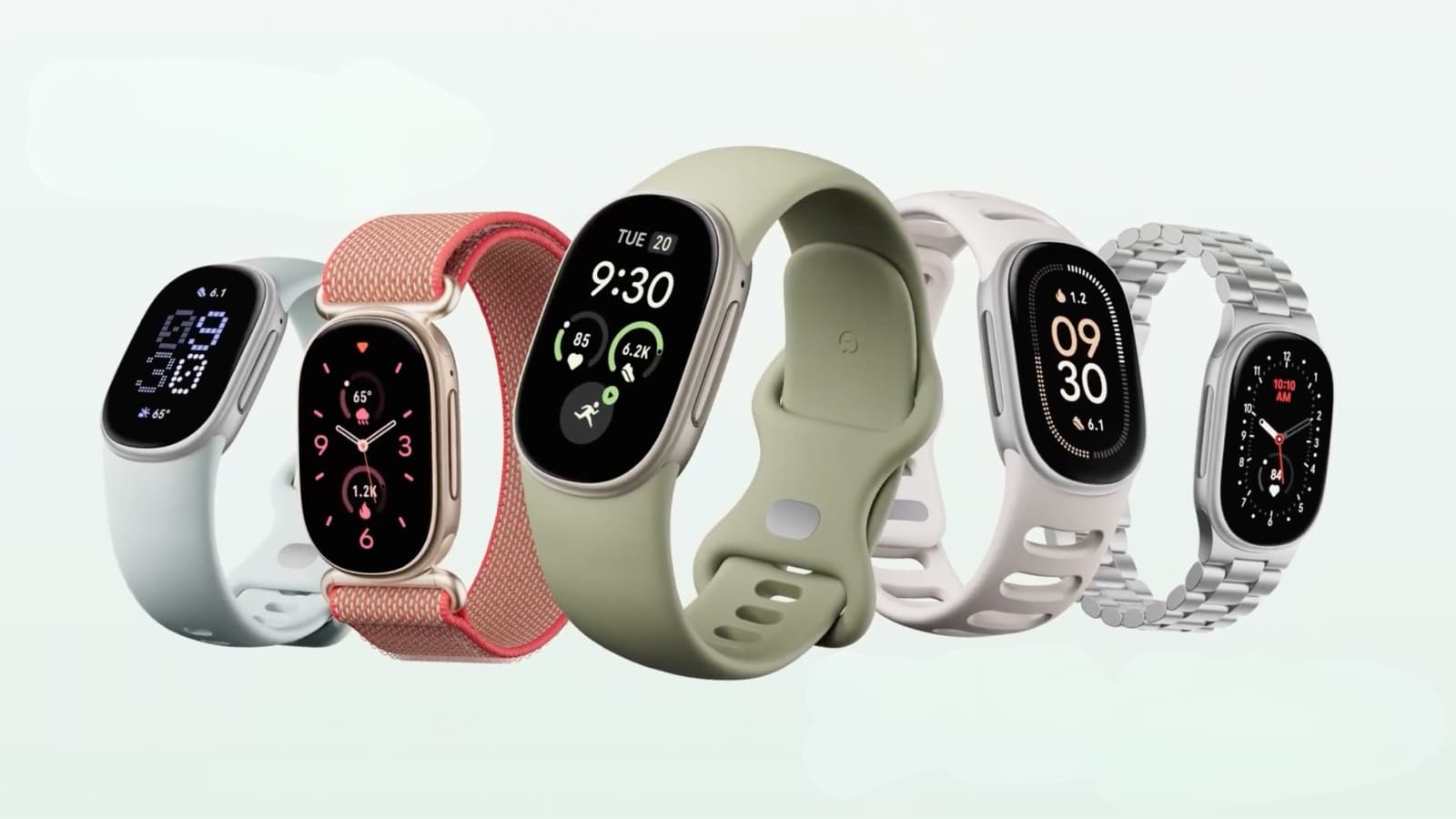
Most fitness trackers force you to choose between two annoying extremes. You either buy a bulky smartwatch that dies every thirty-six hours or a cheap plastic band that lacks serious biometric sensors. Google is trying to break that compromise. The newly announced Fitbit Edge arrives at a $179.99 price point, bringing features that were previously locked inside expensive smartwatches while keeping a seven-day battery life.
If you are tired of charging your wristwear every single night, this release shifts the baseline for what a mid-tier fitness band can do.
What Makes the Fitbit Edge Different
Priced at $180, the Edge serves as the direct successor to the Charge line, but Google redesigned it from scratch inside a recycled aluminum housing. The screen is 46 percent larger than previous models, using a bright OLED panel that stays readable under direct sunlight. More importantly, Google added a physical, haptic side button. You don't have to fiddle with wet fingers on a tiny glass screen while you are in the middle of a hard interval run.
Battery life remains the anchor of the device. You get a full week of normal usage on a single charge. If you run out of juice right before hitting the gym, a five-minute magnetic fast charge gives you a full day of power. Google also built the hardware with modularity in mind, featuring a replaceable battery designed to extend the lifespan of the device instead of forcing you to throw it away when the cells degrade.
Health Guardian Features and Biometrics
The biggest talking point isn't just the design or the battery. Google integrated background monitoring tools under the Health Guardian banner. These tools track subtle long-term wellness shifts, including blood pressure patterns and insulin resistance trends.
You need to know what these features actually mean. Google states clearly that these metrics are meant for general wellness insights rather than direct clinical diagnoses. Still, tracking insulin resistance trends and blood pressure patterns over months gives you actionable data to discuss with your doctor.
You also get heavy-hitting clinical-grade sensors on your wrist:
- An on-demand ECG app for heart rhythm assessments to catch signs of atrial fibrillation.
- Continuous optical heart rate monitoring for rest and recovery metrics.
- A dedicated skin temperature sensor that pairs with sleep stage analysis and heart rate variability to output a daily morning recovery score.
Smarter Workouts With Built-In GPS
If you leave your phone at home, you won't lose your map data. The Fitbit Edge features an upgraded built-in GPS and an integrated altimeter that improves route-tracking accuracy by up to 40 percent compared to older generations.
The device automatically recognizes and logs up to 100 different exercises using AI categorization. If you jump into an impromptu bike ride or a fast walk, you don't have to manually hunt through menus to start a workout mode. When you do want manual control, more than 50 specific exercise modes are available, ranging from Pilates core work to high-intensity interval training splits.
The Software Catch and Pricing Options
The base tracker costs $179.99 and includes a three-month subscription to Google Health Premium. That membership unlocks the Google Health Coach, which is built with Gemini to parse your biometric data, adjust training plans, and explain complex shifts in your health trends.
Pre-orders are open now, with official retail availability starting October 27. The standard version comes in four distinct aluminum case and band finishes: Obsidian, Fog, Olive, and Canyon. If you want a different style, you can swap in alternative bands like metal links, performance loops, or magnetic straps. Google also dropped a Stephen Curry Special Edition for $219.99, featuring a water-repellent, moisture-wicking band styled in his signature tones.
If you want deep health telemetry, a physical button, real GPS, and a battery that actually lasts through a busy week without giving up smartwatch intelligence, the Fitbit Edge sets a new standard for $180 wearables. Check your current gear, evaluate whether daily charging bothers you, and decide if a week-long battery fits your training routine.