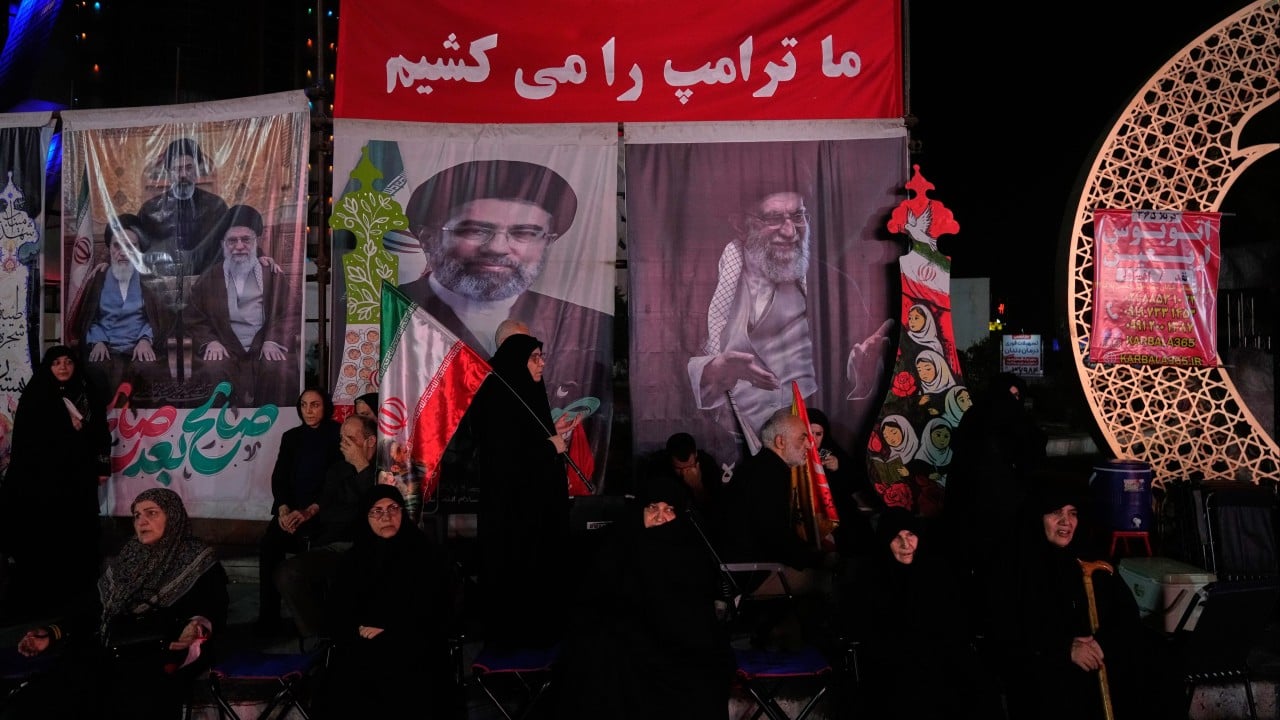
You’ve heard the rhetoric before. This time, the stakes feel different. Donald Trump just announced an "Economic D-Day" against Iran, and he’s making it clear that he isn’t just targeting Tehran. He’s putting the entire world on notice. If you’re a business, a bank, or a government entity helping Iran survive, you’re now in the crosshairs.
Basically, the administration is promising the most aggressive economic campaign ever waged against a single nation. This isn't just about standard sanctions. It's an attempt to choke off every single lifeline, from oil smuggling and clandestine ship registries to simple cash transfers.
Why this is different
I have watched these cycles of brinkmanship for years. Usually, there's a pattern: a threat of "maximum pressure," some posturing, and then a quiet return to backchannel diplomacy. But look at the context of 2026. We are six months into a conflict that has already roiled global markets and threatened the flow of oil through the Strait of Hormuz.
The White House is framing this as a binary choice. Either you support the United States, or you support Iran. There is no middle ground. By threatening "tremendous economic consequences" for any country that acts as a lifeline, Trump is signaling a move toward secondary sanctions that could force global companies to choose between the U.S. market and their Iranian trade relationships.
What actually happens now
The core of the strategy focuses on the mechanics of survival. Iran has spent decades perfecting the art of avoiding sanctions. They use front companies, exchange houses, and complex swap lines to keep money moving. Trump’s new directive explicitly calls these out.
If you are following this for business or geopolitical reasons, here is what you need to track:
- Financial institutions: Watch for banks being cut off from the SWIFT system or facing heavy fines for processing even minor transactions linked to Tehran.
- Logistics and shipping: Expect tighter enforcement on ship registries. If a vessel is found to be facilitating Iranian oil exports, it’s going to be blacklisted.
- Allied cooperation: This is the big variable. Historically, the effectiveness of U.S. sanctions depends on whether Europe and regional partners play ball. If the U.S. enforces these "secondary sanctions" against neutral countries, we could see a major rift in global trade relations.
The rhetoric versus reality
It’s easy to dismiss this as just more noise. Trump has threatened devastating consequences before only to shift toward negotiation. In fact, he’s already flip-flopped on whether he’s open to new talks. One day he’s saying the door is closed, and the next he’s suggesting he’d be open to a deal.
But don't mistake the messy communication style for a lack of intent. When the Treasury Department starts targeting specific entities, the impact is instant. Global shipping companies don't wait for a war to end before they pull out of a region; they pull out as soon as the insurance premiums spike or the compliance risk becomes too high.
Why you should care
If you're wondering how this affects your own outlook, look at energy prices. The Strait of Hormuz is the world's most critical oil chokepoint. Any "economic warfare" that further restricts Iranian shipping risks pushing those prices back up.
Most people get the "why" wrong. They think this is only about nuclear ambitions. It's much broader. It’s about the U.S. trying to re-establish dominance over regional stability by forcing an absolute isolation of the Iranian state.
If you're operating in international markets, the safest bet is to audit your supply chains now. If you have any exposure to entities that might be considered a "lifeline" to Iran, that risk just got a whole lot higher.
The next few weeks will tell us if this is another round of posturing or if we’re genuinely entering a period of total economic decoupling. Watch the Treasury’s enforcement actions, not the social media posts. The paperwork is where the real war is fought.