Saskatchewan just launched a brand new online portal for flood-affected residents, and if you think it's just another useless government website, you're missing the bigger picture. When spring runoff translates into water filling your basement or drowning your crops, hunting through twenty different government departments for help is the last thing you want to do. The Saskatchewan Public Safety Agency, known as the SPSA, rolled out this digital hub specifically to aggregate emergency resources, financial aid pathways, and mental health support into one single spot.
It's a direct response to a brutal spring melt that left communities like Kipling, Oxbow, and the RM of Lakeside scrambling. If you've ever dealt with overland flooding, you already know the real nightmare isn't the water itself. It's the mountain of red tape that follows. For another perspective, read: this related article.
This new tool tries to fix that. Here is what's actually happening on the ground, how to navigate the system, and what the province isn't telling you about getting your money back.
The Reality Behind the Saskatchewan Flood Support Hub
The province didn't just wake up and decide to build a website. This portal came out of the SPSA’s Recovery Task Team, a group originally thrown together during the intense 2025 wildfire season to manage the crisis in Denare Beach. They realized back then that scattered information slows down recovery. Related insight regarding this has been provided by Associated Press.
When Community Safety Minister Michael Weger announced the launch, he focused heavily on giving agricultural producers, small businesses, and homeowners a single point of entry. Right now, if you go to the official page at saskatchewan.ca/residents/emergency/flooding-support, you'll find a breakdown of emergency housing, environmental advisory notes, and technical guidance for structural safety.
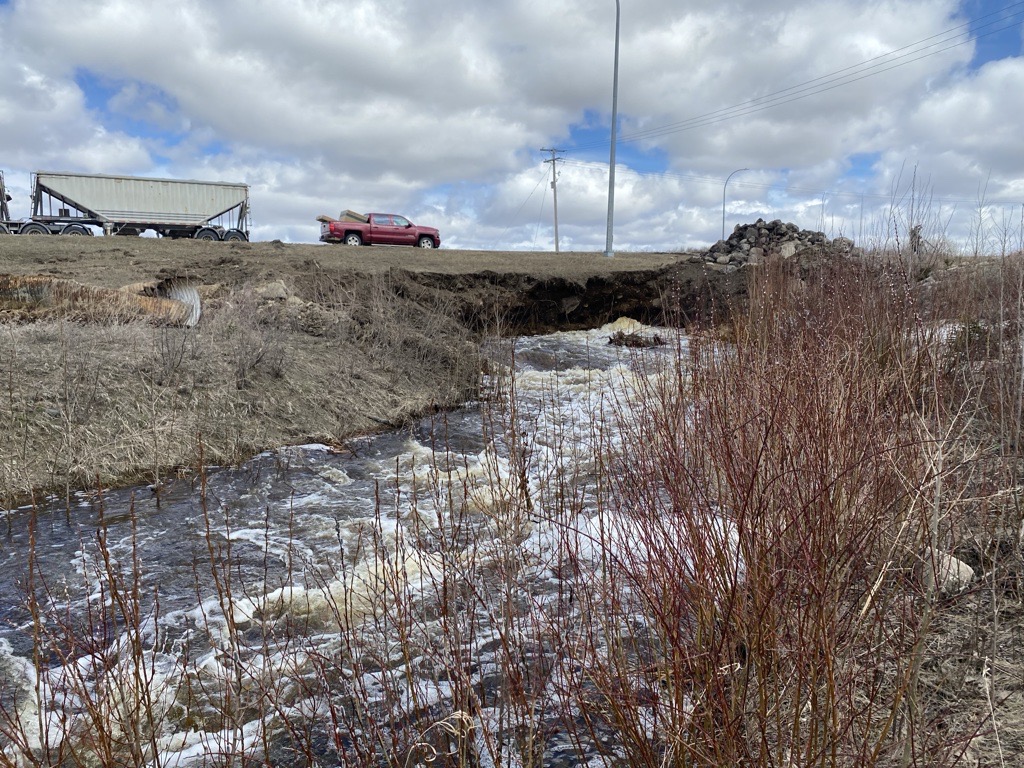
But let's look at why this matters right now. This spring saw massive runoff spikes in east-central Saskatchewan. Some areas had roads completely washed out by May, and seeding timelines for farmers got pushed back significantly. When a community faces that level of disruption, local volunteer structures break down under the weight of the logistics. The portal is designed to act as a digital safety valve.
Navigating the PDAP Trap
If your property took a hit, your mind goes straight to dollars and cents. This is where the Provincial Disaster Assistance Program, or PDAP, comes into play. The new portal links directly to PDAP forms, but you need to know how this program actually operates because it trips up hundreds of people every year.
PDAP is not regular insurance. It exists solely for uninsurable essential losses. If you could have bought insurance for the specific type of flood damage you suffered, PDAP will show you the door.
Here is the step-by-step reality of how you have to handle this right now.
First, you must call your private insurance provider immediately. You need them to assess the damage and, if they won't cover it, issue an official insurance denial letter on company letterhead. This letter must explicitly state exactly what damages are excluded from your policy. Without this piece of paper, your provincial application is dead in the water.
Second, understand that you can't just apply as an isolated individual out of nowhere. Your local municipality, whether it's a town, city, or rural municipality, has to formally apply to the SPSA for disaster designation first. Local administrators usually have about a month from the event to do this. If your local council doesn't pass a resolution to apply for PDAP designation, you can't get a dime from the province. Check with your local town office immediately to ensure they've started this paperwork.
Third, watch the clock. You have exactly six months from the date of the flood event to get your fully completed application package into the provincial office. If you're missing a single document, submit the application anyway with a note stating that you're tracking down the remaining papers. Getting your file stamped before that six-month deadline is all that matters for eligibility.
Documenting Every Single Hour of Sweat Equity
If you take away nothing else from this, remember to track everything. The biggest mistake people make during cleanup is throwing away ruined items before taking pictures.
Grab your phone and take video and photos of every single corner of damage before you touch a thing. If a wet couch or a ruined piece of farm equipment has to go to the dump immediately because of contamination, document it extensively first.
If you rent a shop vac, an industrial fan, or a submersible pump, keep the paid invoices. If you hire a local contractor to rip out wet drywall, you need proof of payment, not just an estimate or a handwritten receipt.
But what if you do the heavy lifting yourself? The province actually allows you to claim your own labor and equipment use, but they won't just take your word for it. You need to keep a meticulous logbook. Write down the names of everyone in your household who helped, the exact dates, and the specific hours spent hauling debris or scrubbing mud. If you use your own tractor or skid steer to clear a plugged culvert or pile up ruined materials, log the exact model, horsepower, and hours of operation. Treat it like a business.
The Unspoken Mental and Environmental Toll
The competitor articles love to list "mental health resources" as a simple bullet point and move on. They don't talk about what that means. Sitting in a house that smells like damp silt and sewage while waiting for an insurance adjuster to call you back causes massive psychological stress.
The online hub links to provincial mental health lines and community counseling, which are being backed up by the Ministry of Education in heavily hit school districts. Use them. It's not a sign of weakness to call the health lines when you're staring at a ruined livelihood.
On the environmental side, floodwater is incredibly foul. You have to assume every gallon of water sitting in your basement or covering your yard contains agricultural chemical runoff, livestock waste, or raw municipal sewage.
When you start pulling out water, don't rush it. This surprises a lot of people, but pumping a basement out too fast can actually destroy your house. If the ground outside is still completely saturated with water and you empty your basement in a single day, the external hydrostatic pressure can cause your basement walls to crack or completely buckle inward. The standard engineering advice is to drain the water slowly, about one-third of the total volume each day.
Agriculture and Small Business Specifics
For Saskatchewan farmers and small business owners, the portal contains distinct compliance steps that everyday homeowners don't have to worry about. If you're claiming losses for an agricultural operation, PDAP requires your full T1 General personal tax return from the previous year, specifically including your Statement of Farming Activities schedules.
If your farm or business operates as a limited corporation, you'll need to hand over your T2 Corporate Tax Return alongside your official Notice of Assessment from the Canada Revenue Agency. Unaudited financial statements cooked up on your home computer won't pass inspection.
If you have employees and had to pay them for emergency cleanup work, prepare to submit your T4 summaries and slips. The province verifies these records aggressively to prevent fraud.
Immediate Steps to Take Right Now
Stop waiting for someone to show up at your door to help. You need to take control of your recovery immediately.
Start by visiting the SPSA portal to check the current flood forecasts and technical advisories for your region. This lets you know if more water is heading your way before you invest thousands of dollars in cleanup.
Call your insurance broker today. Get the ball rolling on that appraisal so you can secure your denial letter quickly if your policy doesn't cover overland flooding.
Contact your local RM or town administrator. Ask them flat out if council has passed the resolution to apply for provincial disaster designation. If they haven't, urge your neighbors to call too.
Get proper protective gear before stepping into any standing water. You need heavy-soled boots, thick rubber gloves, and an N95 respirator to protect yourself from airborne mold spores and bacteria. Turn off your main electrical breaker only if you can do so from a completely dry location. If you have to stand in water to reach your electrical box, call SaskPower or a local electrician to pull the meter externally. Safety trumps everything else.