The fragile peace we were promised in June is officially dead. If you thought the Versailles Memorandum of Understanding would actually hold, the events of the last seventy-two hours should serve as a massive reality check. The United States has launched a devastating series of airstrikes deep inside Iranian territory, and Tehran is wasting no time hitting back at American allies across the Gulf. We aren't looking at a minor border skirmish anymore. This is a rapidly expanding regional war that threatens to drag the entire global economy down with it.
Everyone is trying to figure out where this ends. To understand that, you have to look past the political theater and analyze the actual targets being hit on both sides. The Pentagon claims these strikes are just about "reopening the Strait of Hormuz", but the tactical reality on the ground tells a much different, far more dangerous story.
The Collapse of the Versailles Peace Deal
It took only a month for the grand peace deal signed by Donald Trump and Iranian President Masoud Pezeshkian to completely fall apart. The agreement, which established a temporary ceasefire and a sixty-day window to negotiate a permanent end to the war, was fundamentally flawed from the start.
Israel openly opposed the deal, arguing that it did nothing to halt Iran's nuclear ambitions. Meanwhile, hardliners within the Iranian Revolutionary Guard Corps (IRGC) felt Pezeshkian had given up too much leverage without receiving real sanctions relief.
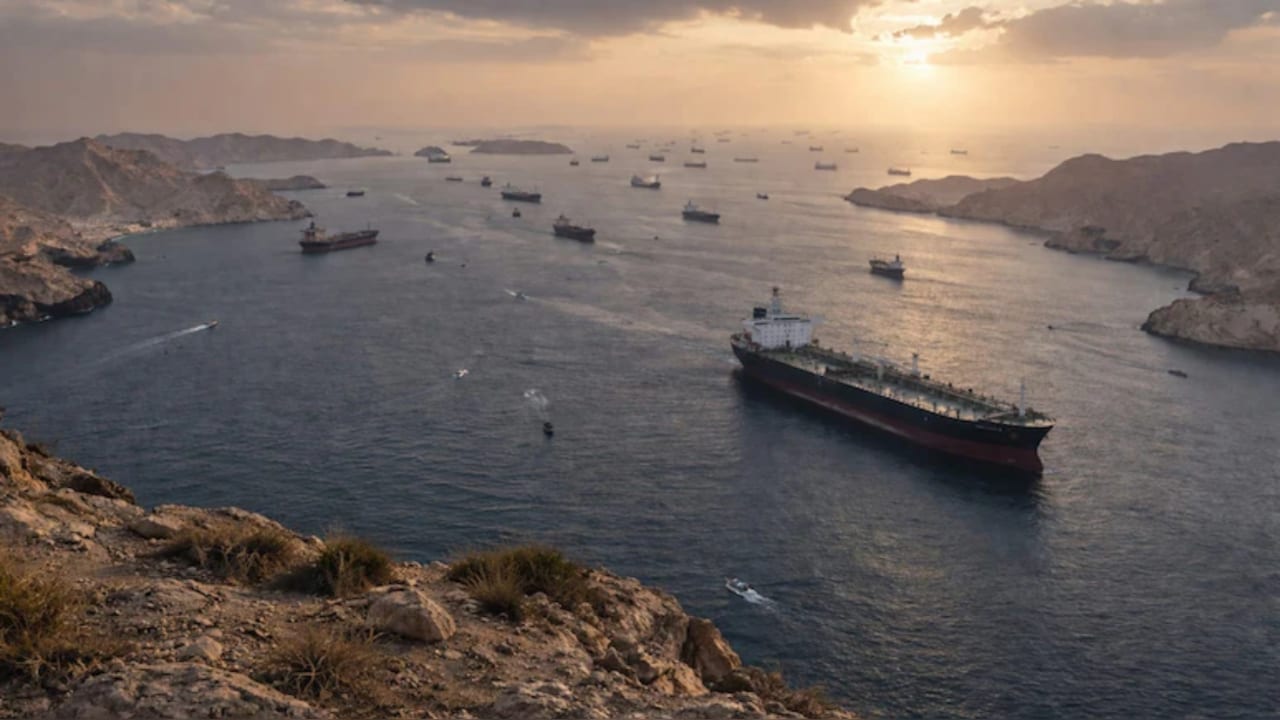
When the US resumed its naval blockade of Iranian ports earlier this week, the final thread snapped. The IRGC immediately retaliated by targeting shipping vessels in the Strait of Hormuz, declaring that if Iran cannot export its energy, no one else will either.
Now, the diplomatic talk is over. The weapons are doing the talking.
Where the Bombs Are Falling
The scale of the current military campaign is staggering. The US military has widened its target list significantly, striking over 170 Iranian military targets in just a matter of days.
American Strike Zones:
- Bandar Abbas (Naval bases and missile launch sites)
- Greater Tunb Island (Coastal radars and cruise missiles)
- Lorestan & Semnan (Air defense networks and command hubs)
- Suburbs of Tehran (Air defense systems triggered)

Iranian Counterstrike Targets:
- Bahrain (US Fifth Fleet headquarters)
- Kuwait (Drone ramps at local airbases)
- Jordan (US military outposts)
- Strait of Hormuz (Commercial shipping lanes)
The location of these strikes reveals the true military strategies of both nations.
The American Target List
US Central Command (CENTCOM) is focusing its firepower on coastal defense infrastructure. Heavy airstrikes have devastated military installations near the strategic city of Bandar Abbas, aiming to take out the fast-attack craft and one-way attack drones that Iran uses to harass commercial tankers.
Further out in the Gulf, American planes targeted Greater Tunb Island, a heavily fortified outpost that serves as Iran's eyes and ears in the Strait of Hormuz. By knocking out the coastal radar and cruise missile batteries here, the US hopes to clear a safe path for international shipping.
The air campaign is pushing deep into the Iranian mainland. Explosions have rocked Lorestan in western Iran and Semnan in the north, while air defense sirens have been wailing in Tehran. This shows that the US is not just attacking frontline naval assets. They are methodically dismantling Iran’s early-warning radars and surface-to-air missile batteries deep inside the country.
Iran's Retaliation Strategy
Iran knows it cannot match the raw firepower of the US Navy in a conventional battle. Instead, they are utilizing a highly decentralized strategy designed to punish America's regional allies and make the war as costly as possible.
In Bahrain, which hosts the US Navy’s Fifth Fleet, air raid sirens have become a daily occurrence. Iran-backed drone strikes have repeatedly targeted the base, trying to disrupt American command and control systems.
Further north, Kuwait has been forced to intercept waves of Iranian drones. One notable strike successfully hit a drone launch ramp at a Kuwaiti airbase, proving that Iran has precise coordinates for Western assets throughout the region.
Jordan has also faced attacks on its border outposts, and the commercial shipping lanes of the Strait of Hormuz remain a chaotic war zone where multi-million-dollar tankers are regularly targeted by Iranian sea drones.
The Real Strategy behind the American Strikes
The White House wants you to believe that these strikes are a limited, defensive response designed to protect freedom of navigation. That's a highly sanitized version of reality.
Behind closed doors, US officials admit that the current strikes are designed to systematically prep the battlefield. By destroying Iran's air defense networks and coastal radar sites today, the US military is clearing the way for much larger, more complex air operations tomorrow.
If President Trump decides to escalate this conflict further, his pilots will not have to worry about sophisticated surface-to-air missile systems. This is not a deterrent. It is the opening phase of a campaign to permanently cripple Iran's military power.
Trump has already threatened to expand the targeting list to include civilian infrastructure. He publicly warned that if Tehran does not capitulate, the US will start targeting power plants and bridges next week. That's a massive shift in targeting philosophy, moving from military-to-military engagement to tactics designed to break the will of the Iranian populace.
The Economic Impact is Already Hitting Your Wallet
You don't have to live in the Middle East to feel the effects of this war. The conflict is directly impacting global supply chains, and the average consumer is paying the price.
With the Strait of Hormuz effectively closed to normal commercial traffic, the global oil market has been thrown into chaos.
- Diesel prices have surged back to over $5 a gallon in the United States, a massive 33% increase since the war began in February.
- Shipping insurance rates for transit through the Arabian Sea have skyrocketed, forcing shipping giants to take the long route around Africa, adding weeks to delivery times and driving up the cost of everyday goods.
- Fertilizer and agriculture supply chains are heavily disrupted, which will inevitably lead to higher food prices at your local grocery store in the coming months.
The rising cost of living is putting massive pressure on the White House. With critical congressional elections coming up in November, the administration is desperate to force a quick resolution. However, their chosen method of achieving that—intense military pressure—seems to be producing the exact opposite result.
What Happens Next
We are rapidly running out of diplomatic off-ramps. Pakistan has attempted to step in to mediate, urging both sides to return to the negotiating table under the terms of the previous memorandum of understanding. But with both leaderships dug in, a diplomatic breakthrough looks highly unlikely.
If you are a business owner, an investor, or just someone trying to plan for the future, here is how you should prepare for the next phase of this conflict:
- Anticipate sustained high energy costs. Do not expect fuel or shipping prices to drop anytime soon. If the US proceeds with striking Iranian power plants and refineries next week, expect oil prices to spike even higher.
- Diversify your supply lines. If your business relies on components or materials that transit through East Asia or the Indian Ocean, start looking for alternative shipping routes or suppliers immediately.
- Prepare for cyber retaliation. Iran has a highly capable cyber warfare division. Historically, when they are hit hard physically, they respond digitally. Financial institutions, energy companies, and government contractors should expect a significant uptick in sophisticated phishing and ransomware attacks over the next month.
The illusion of a quick, diplomatic resolution to this war has been shattered. Both Washington and Tehran have escalated past the point of easy retreat, and the global economy is going to bear the scars of this confrontation for years to come.