Diplomacy in the Middle East rarely moves in a straight line. Right now, it's moving through quiet backchannels and high-stakes diplomatic tightropes.
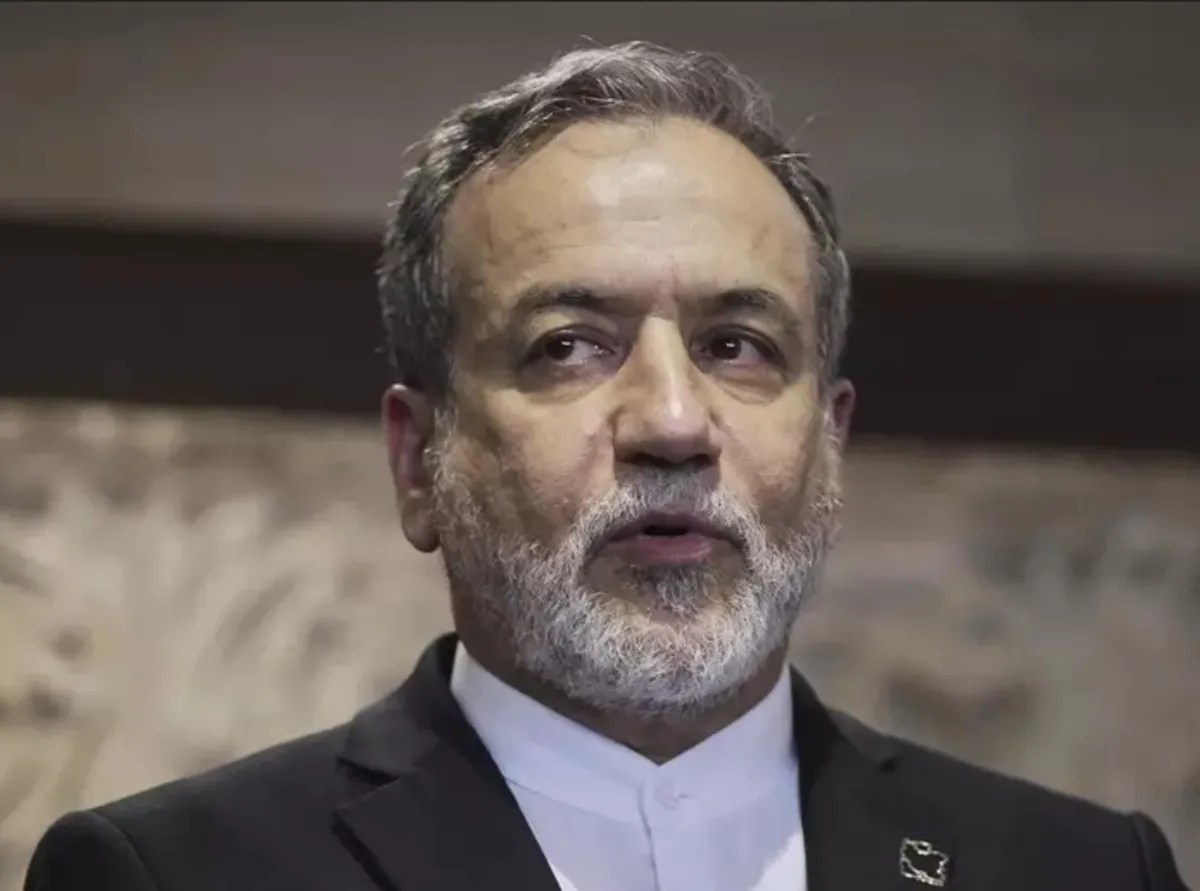
If you've been following the tense friction between Tehran and Washington, you already know the stakes are sky-high. But something shifted behind closed doors. Iranian Foreign Minister Abbas Araghchi recently walked into a cabinet meeting in Tehran with a fresh piece of paper. It wasn't just another routine briefing. He laid out a response and proposal tied directly to the United States, sent through regional intermediaries like Qatar and Oman.
Suddenly, everyone is asking if the US-Iran conflict is finally nearing an off-ramp. Let's look at what's actually happening beneath the noise.
The Real Story Behind the Diplomatic Shuffling
Most mainstream headlines love a simple narrative. They tell you talks are dead or that total war is guaranteed. The reality on the ground is much messier.
Araghchi spent intense days meeting with mediators in New York before flying back to brief President Masoud Pezeshkian and the full Iranian cabinet. The core of the current diplomatic push centers entirely on a single flashpoint: the Strait of Hormuz.
Iran floated an aggressive seven-day roadmap. Under their original pitch, if Washington lifted its naval blockade, waived sanctions on oil sales, and released frozen assets, Tehran would open up the critical shipping lane by day six, leading to a final agreement on day seven. Washington balked at the sequence, calling it a cynical trap designed to grab upfront concessions.
Yet, instead of shutting the door completely, indirect messages kept flowing. The US countered with its own terms, and that response is what just landed on the desk of Iran's top leadership.
Why Both Sides Are Looking for an Exit Strategy
Let's be honest about why this proposal matters right now. Neither side can afford an endless escalation without burning down their own economic stability.
Global oil flows depend heavily on the Strait of Hormuz. When tankers get hit or blockades tighten, global markets panic, and inflation spikes everywhere. At the same time, Iran's economy is feeling immense pressure from ongoing sanctions, and the rial continues to face severe headwinds.
Washington has its own political clock ticking too. With domestic pressures mounting and international allies growing anxious about a wider regional collapse, the White House wants a way to secure the waterway without getting sucked into a bottomless quagmire.
When national security officials from both sides talk about terms, they're trying to figure out how to save face while backing down from the brink.
What the Competitors Missed About the Ground Reality
If you read standard news recaps, they make it sound like a peace treaty is just around the corner. That's dangerously naive.
A proposal doesn't mean a deal. Between receiving a document in a cabinet meeting and actually signing a lasting ceasefire lies a massive canyon of distrust. Tehran insists it will negotiate with power and dignity, refusing to capitulate on its core sovereign rights. Meanwhile, Washington demands immediate reopening of maritime trade before any major economic relief hits Iranian banks.
This sequencing deadlock is the exact hurdle that tripped up previous understandings. Until someone blinks on the order of operations—lifting sanctions first versus opening the strait first—the conflict remains stuck in a dangerous holding pattern.
What Happens Next in the Region
Don't expect an instant miracle. Even as Araghchi briefs his ministers on the American counterproposal, military readiness on both sides hasn't paused. Security forces remain on high alert, and maritime skirmishes in the Persian Gulf continue to flare up unpredictably.
If you're tracking this crisis, watch the diplomatic chatter coming out of Doha and Muscat rather than the public posturing on social media. The real negotiations are happening in secret rooms, far away from the cameras.
Evaluate the next moves based on concrete actions—like actual tanker traffic returning to normal speed in the strait—rather than optimistic political speeches. Keep your eyes on the logistics, because the peace will be built in the details of the shipping lanes, not in press releases.