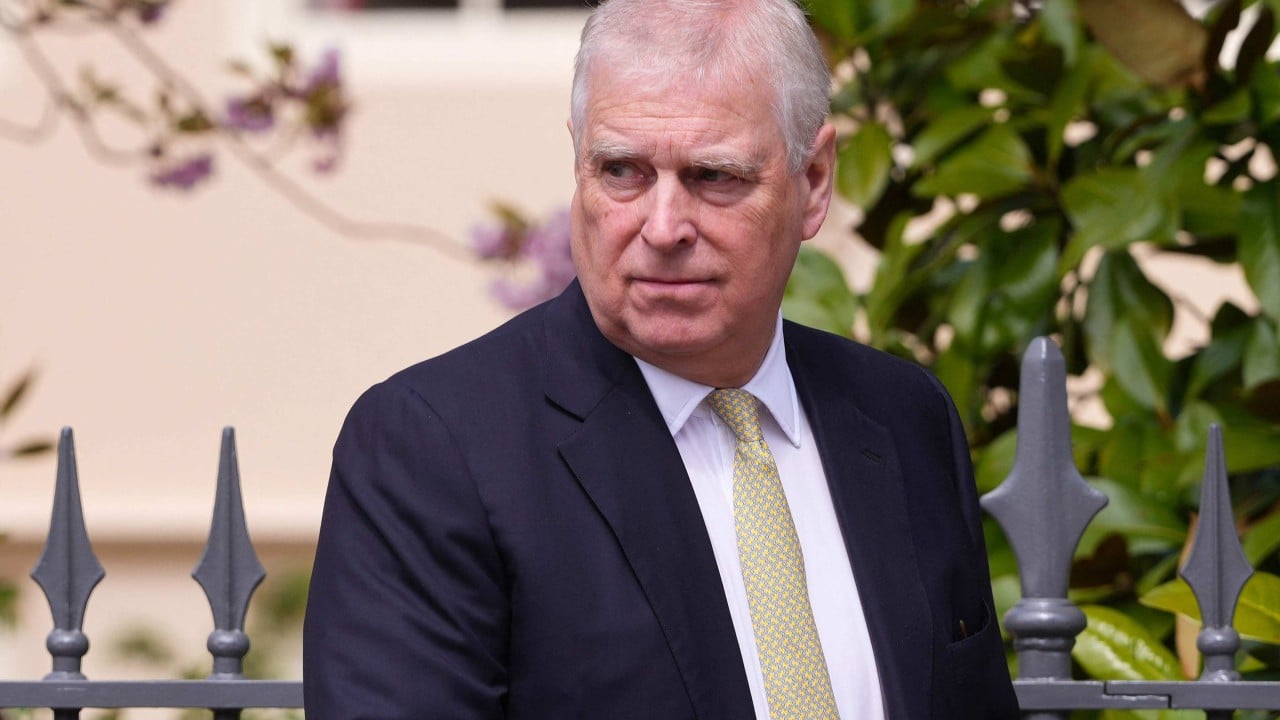
For over a century and a half, British courts kept a polite distance from the House of Windsor when it came to compulsory legal appearances. That unwritten shield just cracked. Andrew Mountbatten-Windsor has been served with a formal witness summons, requiring him to give evidence in a London High Court civil fraud trial. This marks the first time in 156 years that a British royal has faced such a legal command.
If you think this is just another routine celebrity headline, you're missing the bigger picture. This development bridges ancient constitutional immunities with modern legal accountability, dragging a once-untouchable figure into a very public courtroom.
Breaking Down the Case Behind the Summons
The High Court trial centers on a complex legal battle involving Nebahat Isbilen, an elderly Turkish woman, and a set of disputed financial transactions. At the heart of the matter are substantial sums of money that passed from Isbilen’s accounts into hands connected to the former Duke of York.
Let's clear one critical detail up right now: Andrew is not a defendant in this civil fraud trial, nor is he facing direct criminal charges in connection with this specific summons. Instead, he is called strictly as a witness. The court wants answers about why money moved, how those transactions were categorized, and what agreements underpinned them.
Court documents highlight competing narratives. On one side, representatives for the defense have framed certain funds as loans intended for property transactions, such as purchasing a Swiss chalet. On the other side, Isbilen's legal team contests those characterizations entirely. Because Andrew received these funds, his firsthand account is viewed as vital testimony to untangle the web of conflicting statements.
Why a 156-Year Precedent Matters Now
People love throwing around historical comparisons, but this one actually carries weight. The last time a British royal faced a comparable legal summons of this nature dates back to the 19th century. Historically, the Crown and its immediate circle enjoyed a wide berth from compulsory judicial proceedings, relying on a mix of constitutional convention and deference.
Times have changed. The monarchy under King Charles III has aggressively signaled a leaner, more accountable institution, stripping away titles and royal patronages from Andrew long before this summons dropped. When a high court judge greenlights a witness summons for a former prince, it sends a clear message: no individual is entirely insulated from the mechanics of civil litigation when millions in disputed funds are on the line.
What Happens When He Takes the Stand
The trial is slated to kick off in mid-November, with Andrew's testimony anticipated around December 15. Whether he physically walks into the London courtroom or appears via video link remains one of the logistical questions yet to be finalized.
Legal experts note that recipients of witness summonses can technically apply to have them set aside, meaning this drama might still face procedural hurdles. However, simply receiving the order punctures the illusion of royal immunity.
Expect intense media scrutiny. This will mark Andrew's first major public questioning under oath since his disastrous 2019 BBC Newsnight interview. Unlike that controlled television environment, a High Court cross-examination offers no script, no editing room, and no escape from sharp-eyed barristers determined to trace every penny.
Keep an eye on the preliminary motions over the coming weeks. If the summons holds firm, mid-December will force a reckoning that British legal historians will analyze for decades.