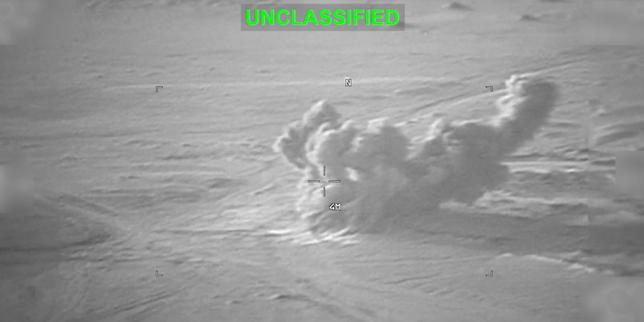
Night after night, the explosions continue across Iranian military facilities. Nine straight nights of US bombardments have pushed the region into uncharted territory. American forces launched this campaign in direct retaliation for attacks that claimed the lives of several US service members, but the escalation isn't slowing down.
If you've been following international headlines, you might think this is just another round of tit-for-tat skirmishes. It isn't. The sustained nature of these strikes marks a fundamental change in how Washington responds to attacks on its troops in the Middle East.
What US Forces Are Striking and Why
The Pentagon targeted command centers, ammunition depots, and drone manufacturing facilities linked to military operations. Nine consecutive nights of heavy airstrikes aren't accidental. They reflect a deliberate effort to systematically degrade infrastructure rather than send a quick symbolic warning.
Tensions reached a tipping point after fatal strikes killed American soldiers deployed in the region. Military leadership decided a single round of counter-strikes wouldn't suffice. Instead, commanders opted for a prolonged campaign aimed at crippling offensive capabilities.
The strategy carries huge risks. Prolonged bombing campaigns rarely stay contained within planned parameters. Each strike increases the odds of civilian casualties, miscalculations, or broader regional involvement.
The Regional Fallout Nobody Wants to Talk About
Regional allies find themselves in an impossible spot. Arab nations host US installations while trying to prevent regional conflict from spilling into their own borders.
Diplomats behind closed doors are scrambling. Intelligence officials know that prolonged military campaigns create power vacuums. When you destroy command networks over nine days, you don't just stop immediate attacks. You break down regional stability mechanisms that took years to construct.
Here is what usually happens during extended air campaigns like this:
- Retaliatory networks shift from structured military commands to decentralized cells that are much harder to track.
- Shipping lanes through vital waterways face heightened risks as naval tensions rise.
- Energy markets react sharply to fears of broader disruption across supply routes.
Misconceptions About Retaliatory Air Operations
Many analysts argue that sustained air power deters adversary behavior. History tells a different story. Prolonged aerial operations often entrench opposing forces rather than force them into submission.
When air operations stretch past a week, target selection becomes harder. Initial targets involve obvious military assets. Later strikes often rely on dynamic targeting, where decisions happen in real-time under intense pressure. That is precisely where intelligence errors happen.
Another misconception is that surgical strikes keep conflicts cleanly contained. Modern air operations use precise munitions, but precision weapons can't eliminate strategic blowback or political fallout.
What Strategic Shifts Mean for the Coming Weeks
The immediate priority for military commanders is assessing battle damage while keeping defensive postures on high alert. Expect air patrols and naval monitoring to remain at peak capacity.
The broader challenge lies on the diplomatic front. Military action alone cannot resolve the underlying security crisis. Without clear diplomatic exits, a nine-day operation can quickly turn into a multi-month war of attrition.
Pay close attention to official statements from allied capitals and regional organizations. Watch for changes in maritime security advisories and military deployment updates over the next few days to gauge where this crisis moves next.