Foreign policy shifts don't happen in a vacuum, but the fallout from recent White House decisions has shocked international human rights advocates. When Nobel Peace Prize laureate Oleksandra Matviichuk recently pointed out that Washington's current approach is effectively bankrolling the Kremlin's military machine, she hit on a glaring contradiction in modern American geopolitics. You can't claim to champion swift resolutions while simultaneously lifting critical economic barriers that keep Moscow's war chest full.
The core issue stems from specific policy rollbacks, including recent adjustments around energy trade and diesel-supply agreements with Russia. Critics argue that easing these pressure points gives Moscow immediate liquidity. When revenue flows back into the Kremlin, it doesn't vanish into thin air. That cash converts directly into artillery shells, ballistic missiles, and drone swarms aimed squarely at Ukrainian civilian infrastructure.
The Cost of Expedited Deals
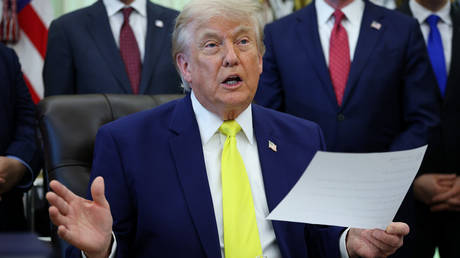
Donald Trump has repeatedly insisted he can halt the ongoing conflict overnight, often framing his strategy around high-stakes negotiations and quick-fix settlements. Yet, regional analysts point out a dangerous trade-off. Pushing for a rapid ceasefire by bypassing core security guarantees often means conceding vital leverage to an aggressor.
Matviichuk, who heads the Kyiv-based Center for Civil Liberties, highlighted that lifting key sanctions hands the Russian government direct opportunities to boost its treasury. In practical terms, every dollar recovered through loosened trade restrictions translates into heightened risks on the ground. Communities across Ukraine absorb the physical toll of these policy maneuvers daily.
Why the Nobel Committee and Human Rights Defenders Sound the Alarm
International observers are growing increasingly vocal because the gap between diplomatic rhetoric and economic reality is widening. While the administration claims its primary goal is saving lives and wrapping up foreign entanglements, the mechanism of easing restrictions tells a different story to those living under nightly air raid sirens.
- Economic concessions provide immediate financial relief to sanctioned entities.
- Financial inflow directly sustains military procurement lines for Moscow.
- Diplomatic shortcuts undermine long-term stability in Eastern Europe.
When you analyze the broader picture, the tension between securing a political win and upholding international law becomes glaringly obvious. Real peace requires accountability and strategic consistency, not temporary arrangements that reward territorial aggression. If Western leaders keep prioritizing expediency over justice, the human cost will only continue to climb.
Evaluate the long-term consequences before buying into quick diplomatic fixes. Look closely at where the money flows when sanctions lift, and demand real accountability from leaders on the global stage.