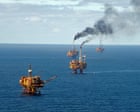
You can tell an industry is in its death spiral when its workers would rather walk out than stick around for the end. North Sea oil platforms are facing a wave of industrial action that goes far beyond a routine pay dispute. This isn't just about wages anymore. It is a full-blown collision between angry unions, panicking energy firms, and a government tax regime that companies claim is forcing them out of British waters entirely.
When more than 160 offshore rig workers gear up for walkouts, people start paying attention. The Unite union has made it clear that current stoppages could severely disrupt UK fuel supplies. If you think rising energy costs were bad last year, wait until you see what happens when the infrastructure powering a third of the nation's oil production hits pause. You might also find this connected coverage interesting: Why China Just Walked Away From That Major Sri Lanka Port Deal.
The Pressure Mounts on the Forties Pipeline
Let us look at the mechanics of what is actually happening offshore. Workers employed at five Apache energy platforms linked to the Forties Pipeline System are stepping away from their posts. This specific pipeline network handles about 30% of total UK oil production.
Unite warns that shutting down production across these platforms can trigger a sharp drop in pressure through the pipeline system. Apache claims they will rely on experienced contractors to keep things running, but unions scoff at that idea. When core staff leave, safety margins shrink, and operations get messy fast. As extensively documented in latest coverage by The Wall Street Journal, the implications are significant.
Meanwhile, Harbour Energy workers represented by Wood Group are running their own staggered 48-hour strikes across platforms like Britannia, Jasmine, Judy, Lomond, and North Everest. Another 48-hour stoppage is locked in for November 3. These aren't isolated incidents. They are part of a coordinated campaign across an ageing basin that is running on fumes and bad blood.
Why Oil Giants Are Throwing in the Towel
To understand why workers are striking, you have to look at how energy companies are responding to the political landscape. Texas-based Apache has already announced plans to wind down all its North Sea operations by the end of 2029. They are pointing directly at the government's windfall tax, which slaps a brutal 78% tax rate on oil and gas profits.
Harbour Energy, the biggest producer in the UK sector, shares the same frustration. They have slashed hundreds of jobs since 2023 and scaled back investment across British waters. Companies argue that the fiscal environment makes long-term projects economically impossible. When operators pull back capital, maintenance slips, morale plummets, and workers feel like they are paying the price for corporate and political gridlock.
Apache insists its current offer provides a fair 4% pay increase for a workforce whose earnings already place them among the highest in the UK, pointing out that offshore rotas average 153 working days a year. Workers counter that high pay does not make up for job insecurity, crumbling asset lifespans, and an impending industry exit strategy that leaves their long-term livelihoods hanging by a thread.
The Looming Winter Energy Crunch
All of this drama comes to a head right as the UK enters the colder months. Global fuel supplies remain jittery due to ongoing conflicts in the Middle East and Ukraine. The upcoming budget on October 28 will force the government's hand on contentious developments like the Jackdaw gas project.
If ministers refuse to budge on taxation, energy firms will accelerate their exit plans. If they fold, they risk the wrath of climate campaigners. It is a lose-lose political trap.
The strikes expose a harsh reality. The UK is trying to bridge the gap between fossil fuels and green energy while the existing infrastructure quietly rusts away and the workforce rebels. You cannot transition a country to renewables by driving its current energy producers into bankruptcy and alienating the people operating the rigs.
Keep an eye on the Acas mediation talks and the upcoming budget announcements. The outcome will dictate whether this winter brings rolling fuel supply shocks or just another chapter in the slow-motion collapse of the UK offshore oil sector.