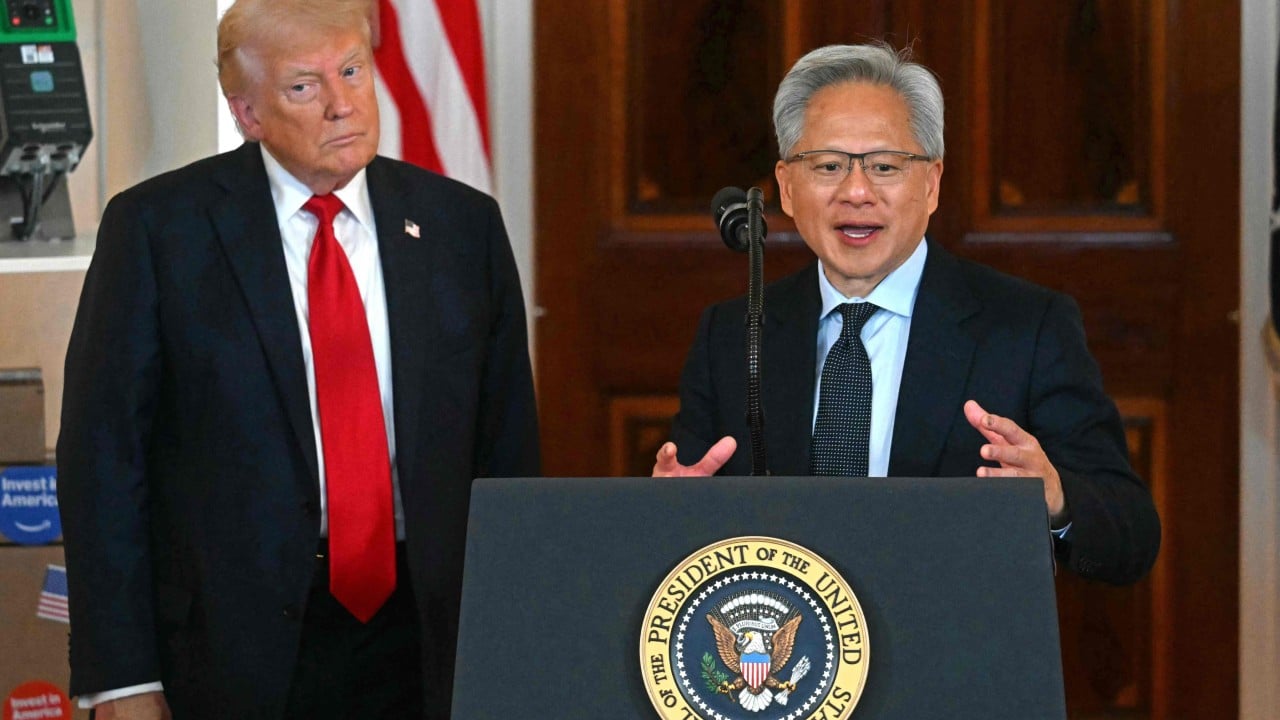
The race to find a permanent leader for Nvidia is heating up faster than anyone expected. Following Jensen Huang’s abrupt resignation on November 12, 2026, the board faced an impossible question: how do you replace a co-founder who turned a graphics card maker into a multi-trillion-dollar artificial intelligence titan?
Reports surfaced that Nvidia's board reached out to Arm CEO Rene Haas as part of their search for a permanent chief executive. CFO Colette Kress is currently holding the fort as interim CEO, but the approach to Haas signals that the board is looking outward for heavy hitters who actually understand semiconductor architecture from the inside out.
Finding a replacement isn't just about corporate administration. It requires deep technical credibility, massive global supply chain savvy, and the nerve to navigate geopolitics. Let’s look at why Rene Haas is on the shortlist and what this means for the broader chip industry.
The Insider Who Left and Gained Global Stature
Rene Haas isn't an unknown quantity at Nvidia. Before taking the helm at Arm in 2022 and steering its massive Nasdaq IPO in 2023, Haas spent seven years at Nvidia. He served as vice president and general manager of the company's computing products business.
That history matters. He knows the internal culture. He understands how Jensen Huang built the firm's relentless pace.
When Haas moved to Arm, he didn't slow down. He pushed the British architecture designer aggressively into new markets, expanding beyond mobile phones into PCs and server infrastructure. Under his watch, Arm became a powerhouse that designs the core architecture powering a vast majority of the world's smartphones and an increasing share of high-performance computing.
If you are Nvidia’s board, Haas hits a sweet spot. He has external CEO experience running a major public semiconductor firm, deep ties to Nvidia’s leadership and board, and undeniable technical chops.
The Succession Puzzle Facing Nvidia
Nvidia's board is balancing multiple priorities right now. Harvey C. Jones and the directors have to weigh whether to prioritize financial continuity, deep technical expertise, or experience running a global tech heavyweight.
Colette Kress is steering the ship smoothly in the interim, and her financial stewardship is unquestioned. Yet, public markets expect a visionary technologist at the helm of an AI infrastructure giant.
Other names have naturally floated through market chatter. Bloomberg reported that CUDA creator Ian Buck, who leads Nvidia's data center and accelerated computing business, is an internal option. Apple's chief hardware officer Johny Srouji has also been mentioned by industry watchers. Analysts have even tossed around AMD CEO Lisa Su as an external choice, alongside wild card suggestions like former Apple chief Tim Cook.
Even so, reaching out to Rene Haas stands out because it targets a sitting CEO who already speaks the language of accelerated computing and mobile efficiency.
What This Means For Arm and Nvidia Stock
Markets reacted quickly to the news. Arm’s US-listed shares pared losses and dipped over 5 percent following the report, while Nvidia shares saw a drop of more than 3 percent. Wall Street hates uncertainty, especially when it involves sudden executive shuffles at two of the most valuable tech companies on earth.
Arm declined to comment on the reports, and Nvidia did not immediately respond to inquiries. Whether Haas would even accept the job remains an open question. He has a massive mandate at Arm, where he is executing a long-term vision to diversify revenue streams and cement the company's position in the AI era. Leaving that post to step into the white-hot spotlight of replacing Jensen Huang is a daunting task for anyone.
The board's search is still in its early stages. Interim leadership under Kress gives the directors breathing room to evaluate candidates carefully without rushing into a mistake.
The chip landscape is shifting beneath our feet. Whoever ultimately takes the seat will inherit an empire built on parallel processing and AI dominance, but they will also have to chart a path forward in a world of fierce competition and tightening global supply chains.
The next chapter of the AI boom won't just depend on silicon capabilities. It will depend on who is holding the steering wheel when the next technological wave hits.