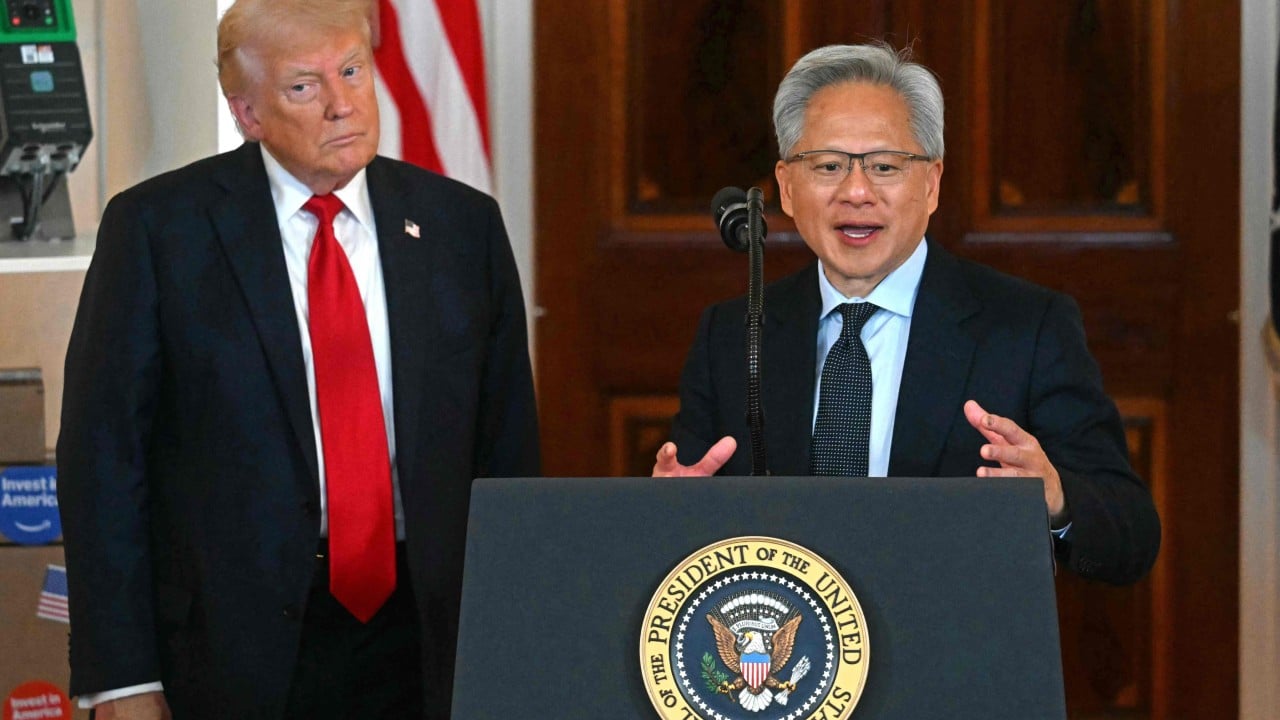
Washington rarely moves fast when it comes to technology, but a national security crisis changes timelines overnight. When Capitol Hill sets its sights on Silicon Valley, the shockwaves hit every corner of the market. Right now, the United States Congress is aggressively expanding its probe into Nvidia, pulling back the curtain on high-stakes geopolitics, corporate governance, and supply chains that power the artificial intelligence boom.
At the center of this firestorm is former Nvidia CEO Jensen Huang, alongside key figures from the Trump administration. Lawmakers are demanding answers regarding national security vulnerabilities, export policies for advanced microchips, and foreign intelligence risks. If you think this is just corporate drama, you are missing the bigger picture. This investigation touches the raw nerve of global tech dominance.
Inside the Congressional Crosshairs
The probe escalated rapidly after disclosures concerning Huang's personal relationships and potential exposure to foreign intelligence operations. Congressional committees from both sides of the aisle smell blood and policy gaps. Bipartisan lawmakers want to know exactly how executive-level compromises might have influenced critical technology transfers.
Subpoena threats worked. Huang agreed to face closed-door questioning on Capitol Hill. Investigators want to determine whether sensitive semiconductor designs or strategic export control exemptions were compromised. Lawmakers are scrutinizing communications between corporate executives and high-ranking trade officials to trace how regulatory guardrails were handled.
The questioning won't just focus on personal conduct. It targets the systemic vulnerability of having critical national infrastructure tied so closely to a single corporate leader.
The White House and Cabinet Scrutiny
This is not just a corporate accountability story. It is a direct test of executive branch oversight. Lawmakers have turned their attention toward cabinet officials, probing how decisions regarding advanced chip sales to foreign markets were authorized.
Questions center on the approval processes for high-performance processors shipped overseas. Congressional investigators are reviewing records from the Commerce Department and other agencies to see if warning flags about foreign intelligence targeting tech executives were ignored or overridden. When political connections intersect with national security export bans, transparency usually disappears. Congress is trying to drag those backroom decisions into the light.
The defense from the administration and corporate defenders relies on maintaining market stability. Yet, the political reality is harsh. Bipartisan pressure means neither party wants to look soft on foreign influence, especially when the asset in question is the technological backbone of modern artificial intelligence.
Why Wall Street and Silicon Valley Are Sweating
Nvidia's market capitalization makes it too big to fail, but also too important to ignore. For years, Silicon Valley operated under the assumption that commercial innovation trumped geopolitical friction. That era is over.
When key-person risk combines with espionage allegations, financial markets react violently. Investors are suddenly forced to reprice semiconductor stocks not just based on earnings reports, but on regulatory vulnerability. Competitors like AMD and Broadcom have seen volatile trading shifts as capital looks for safer havens away from regulatory crossfires.
Furthermore, this investigation signals a permanent shift in how Washington views the tech sector. National security is now the primary lens through which every major hardware sale, supply chain partnership, and executive appointment is evaluated.
The Broader Fallout for Export Controls
The immediate outcome of these hearings will reshape U.S. export controls for years. Lawmakers pushing for stricter oversight argue that current enforcement mechanisms are too lax, relying too much on corporate self-reporting.
Expect tighter compliance requirements across the board. Companies shipping high-end hardware abroad will face intrusive audits, deeper background checks on leadership, and zero tolerance for gray-market smuggling loops. The illusion of frictionless global tech supply chains has vanished.
Keep a close eye on the committee transcripts once they leak or get released. They will dictate the compliance playbook for every major hardware manufacturer in the country. Prepare for a harsher, more regulated reality where national security outweighs quarterly revenue growth.