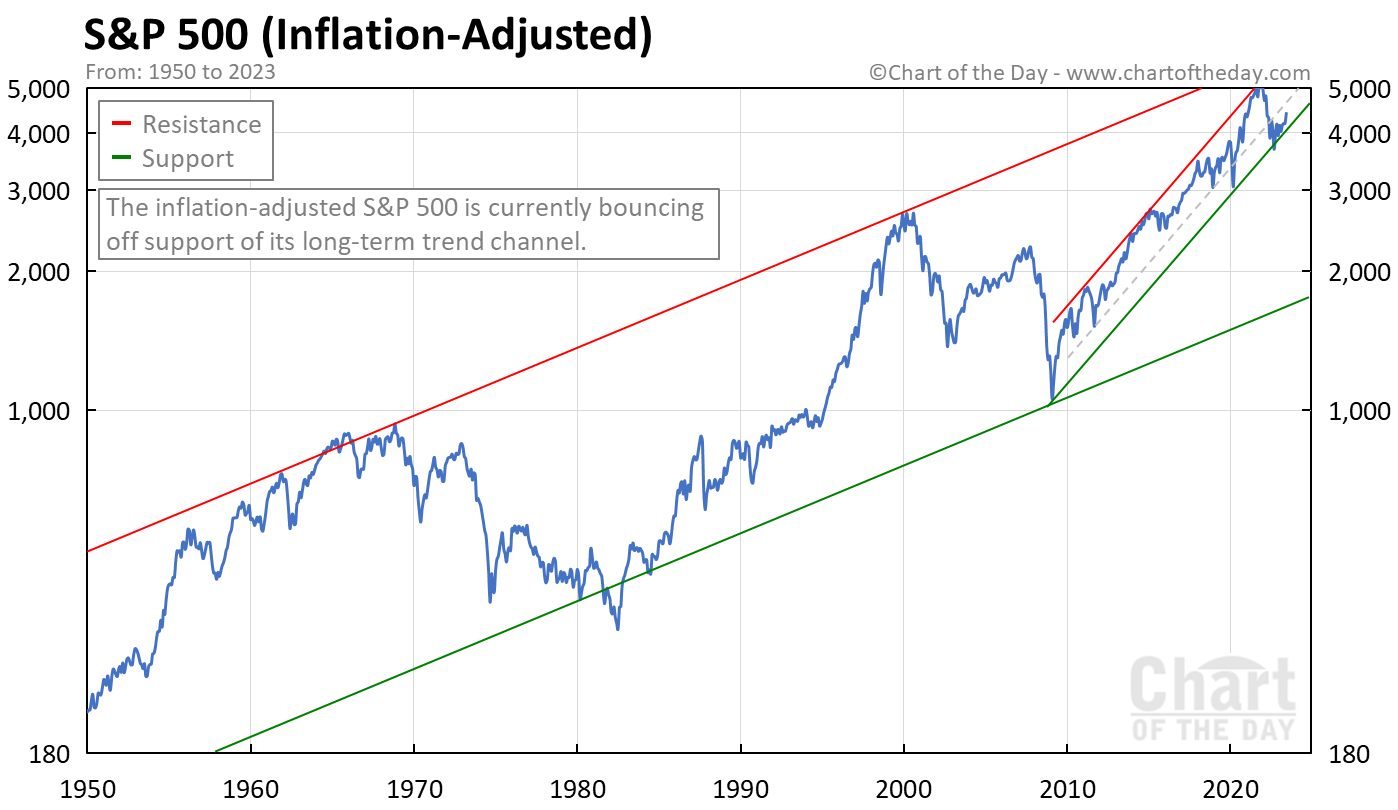
Wall Street loves a clean chart pattern. Right now, Nvidia is sitting right under a major ceiling, threatening to punch through and send another shockwave through the tech sector. If you are only watching graphic chip charts, you are missing the real story unfolding beneath the silicon.
Memory is where the actual battleground lies. As Nvidia inches closer to its breakout level, Micron steps up to the plate with its fiscal fourth-quarter earnings report. Investors want answers. Is AI hardware demand cooling off, or are we just catching our breath before the next massive leg higher?
Let's look at what is really driving the semiconductor trade right now.
The Technical Setup for Nvidia
Nvidia has been grinding higher over the last three months, climbing roughly 15% and trading near its all-time high of $236.54. Momentum traders love this kind of compression. The stock is coiling up tight.
When a multi-trillion-dollar giant like Nvidia builds a base near its peak, it rarely stays quiet for long. Breakouts of this magnitude tend to draw a flood of institutional buying, pulling the rest of the semiconductor complex along for the ride. CoreWeave recently announced plans to deploy Nvidia's Vera Rubin platform in its data centers. That is not a small pilot project. It proves that enterprise demand for next-generation hardware remains fierce.
Yet, compute is only half the equation. You can stack up all the graphic processors you want, but without high-end memory to feed them, your data center is just an expensive paperweight.
What Wall Street Wants From Micron
Micron enters its earnings spotlight with massive expectations. According to Koyfin data, analysts are projecting fiscal fourth-quarter earnings of $31.82 per share on revenue of $51.47 billion. Those are staggering figures, but Micron has a history of beating expectations, having missed quarterly EPS estimates only twice in the past decade.
Susquehanna analyst Mehdi Hosseini recently pointed out on CNBC that the semiconductor cycle is shifting. Compute is starting to look a bit commoditized, while high-bandwidth memory is where the true competitive advantage lives. Hosseini even floated the eye-popping possibility that Micron's quarterly earnings could eventually reach $50 per share, translating to $200 annualized, if memory continues to dominate the AI infrastructure buildout.
Despite that bullish long-term thesis, Micron shares are currently trading about 14.5% below their record highs from June. Investors are nervous about supply competition and capacity expansion. SK Hynix recently broke ground on a new high-bandwidth memory fab in Indiana, and China's CXMT is slowly closing the technology gap.
Reading Between the Lines on Memory Demand
If you own semiconductor stocks right now, you cannot treat memory as an afterthought. Watch Micron's gross margins and forward guidance like a hawk. If management confirms that long-term sales agreements for high-bandwidth memory are locked in at high pricing power, the stock will erase those recent pullbacks in a hurry.
On the flip side, any hint of supply glut or customer pushback on pricing will trigger an immediate sell-off across the entire artificial intelligence trade.
Nvidia breaking out of its current technical channel will provide the psychological spark, but Micron's numbers will provide the fundamental proof. Watch both closely.
Take a hard look at your portfolio's tech exposure today. Check your semiconductor weightings before the market opens tomorrow, trim positions that rely purely on hype, and double down on companies showing concrete margin expansion.