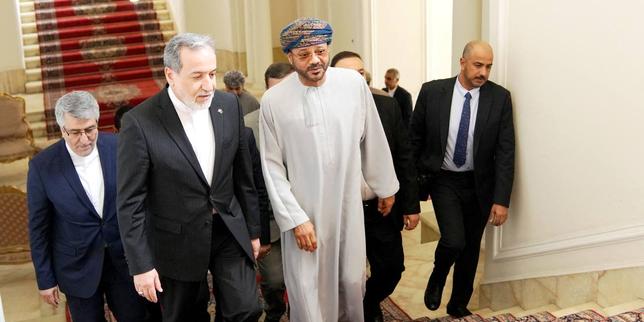
For decades, Muscat played a lonely, essential role in the Middle East. While its neighbors often chose muscle, Oman bet everything on talking. When Washington and Tehran needed a discreet room to air grievances or negotiate the complex architecture of the nuclear dossier, Omani channels provided the quiet escape hatch. But the current military escalation between the United States and Iran has pushed this small Gulf state into an uncomfortable corner. The friction leaves little room for traditional neutrality, threatening a diplomatic tradition built over generations.
Geography dictates reality in this part of the world. Oman shares the southern coastline of the Strait of Hormuz, the maritime chokepoint through which a massive share of global energy supplies flows. Because of this position, maintaining a working relationship with Iran is not just a diplomatic preference for Muscat; it is a permanent security requirement. Iranian leaders occupy the opposite shore, and no amount of external pressure from Washington or regional allies can alter that map. Yet, this geographical imperative now clashes directly with the demands of an intense military crisis.
When joint U.S. and Israeli airstrikes struck targets across Iran, Omani Foreign Minister Badr Albusaidi voiced open consternation. He warned that active negotiations had been severely compromised, noting that the path of escalation serves neither American interests nor global stability. For a government that prides itself on keeping communication lines open when everyone else slams doors, watching deliberate mediation efforts unravel under bombs is a bitter pill.
Worse still, the fallout hasn't stopped at diplomatic rhetoric. The wider conflict has dragged Omani territory directly into the line of fire, with security incidents touching strategic ports like Duqm and Salalah. Facilities that historically served as crucial logistical hubs, even accommodating American military assets, suddenly found themselves exposed to regional retaliations and stray munitions. This reality shatters the illusion that strict neutrality grants complete immunity in a full-scale regional war.
Washington's stance toward Muscat reveals a deep contradiction. On one hand, American administrations routinely rely on Omani backchannels to transmit messages to Iranian authorities. On the other hand, the pressure from Washington to align strictly with broader anti-Tehran strategies has grown unrelenting. When threats are leveled against states that maintain independent lines with Iran, Muscat finds itself squeezed between an indispensable security partner that demands compliance and a vital geographic neighbor that cannot be wished away.
Can quiet diplomacy survive a total breakdown in trust? The collapse of recent truces and the hardening of naval blockades in the Persian Gulf suggest that traditional mediation faces an uphill battle. When leaders in Tehran face severe economic asphyxiation and military bombardment, and leaders in Washington demand unconditional terms before returning to the table, the middle ground vanishes. Omani diplomats still circulate between capitals, trying to salvage fragments of dialogue, but the space for compromise shrinks by the day.
The stakes extend far beyond the borders of the sultanate. If Oman's brand of patient diplomacy fails completely, the region loses one of its few remaining safety valves. Without an impartial intermediary trusted by both sides, misunderstandings at sea or in the air will trigger even larger retaliatory cycles with fewer constraints. Muscat is finding out that prioritizing peace over weapons is noble, but keeping that priority alive when the drums of war beat loudest requires more than good intentions. It requires a miracle.