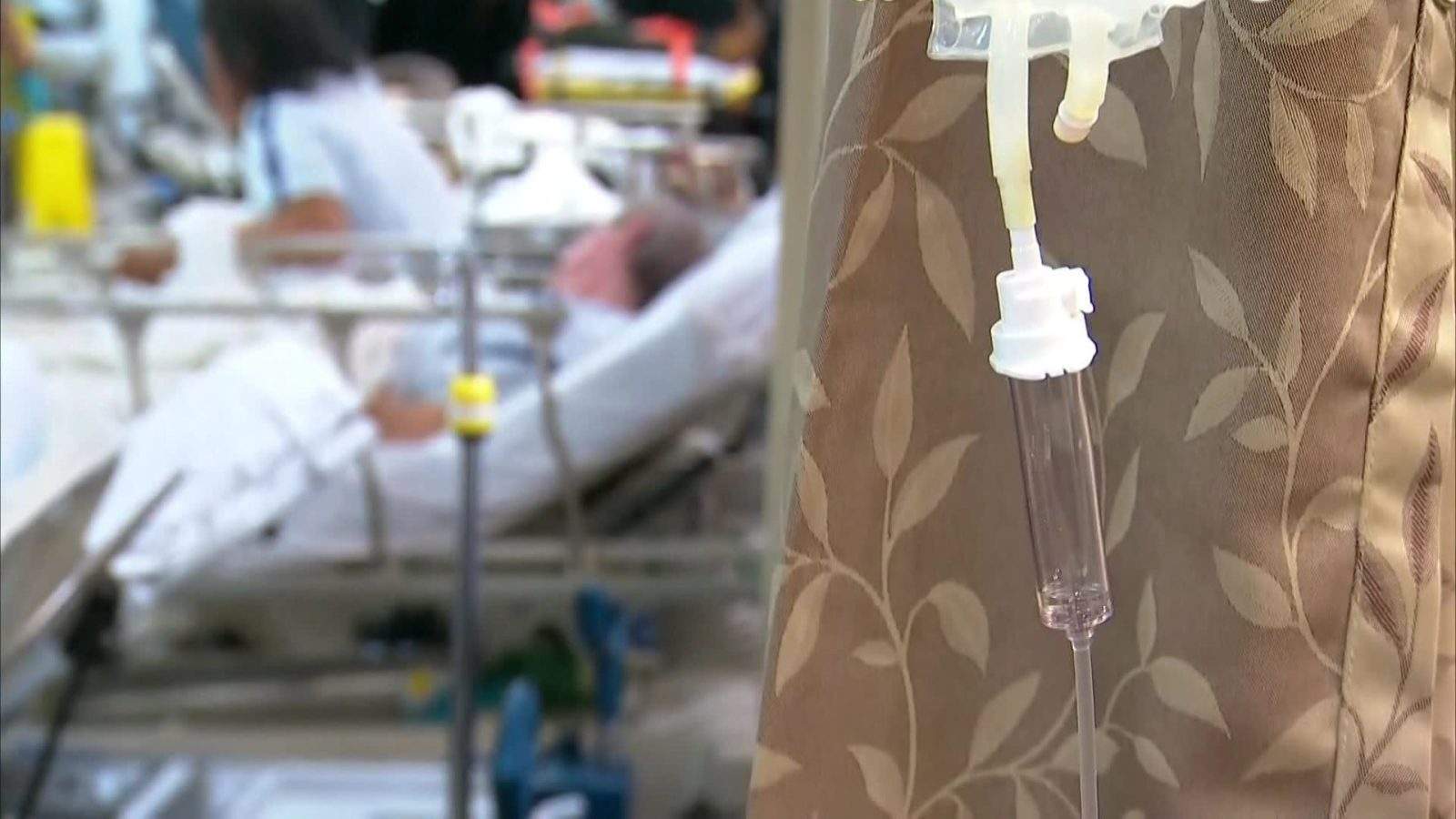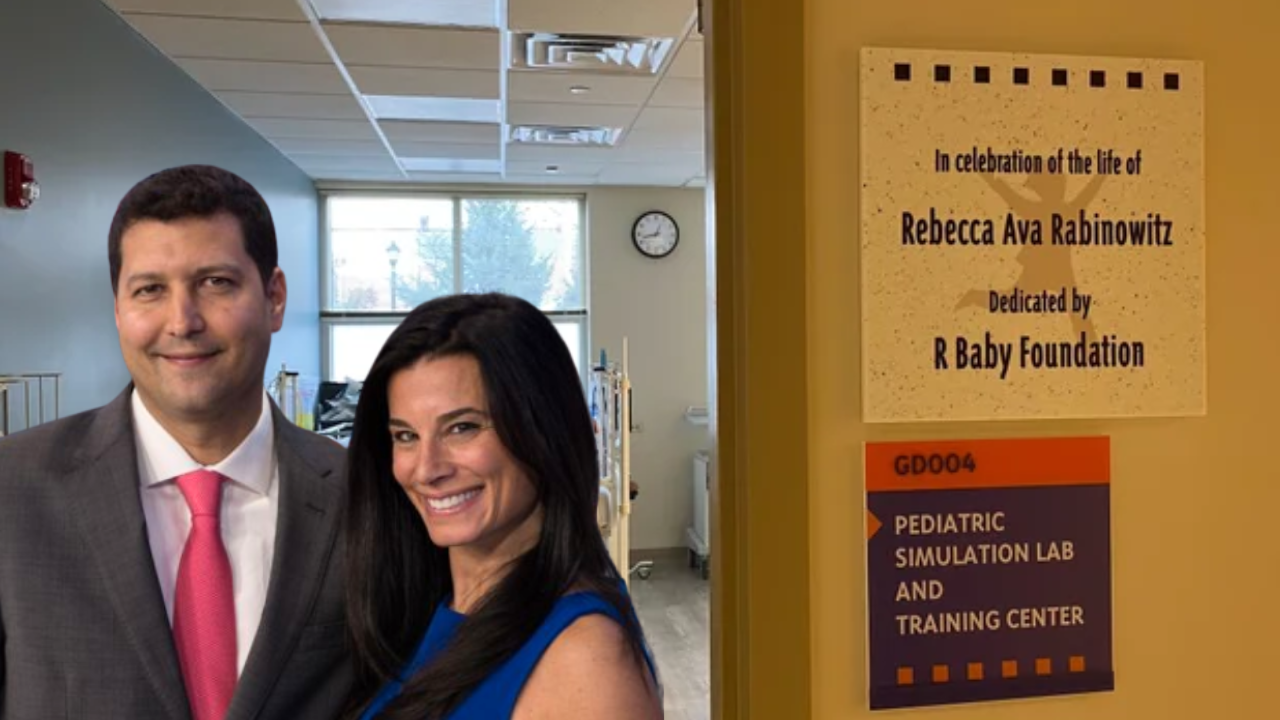
Losing a child breaks you. Most people crawl into bed and pull the covers over their heads, paralyzed by an unbearable grief that never truly leaves. But in July 2006, Phyllis and Andrew Rabinowitz chose a different path after a hospital emergency room dismissed their nine-day-old daughter's symptoms as a simple cold. Little Rebecca had contracted a severe enteroviral infection, and by the morning of July 21, she was gone.
Instead of letting their anger and heartbreak vanish into silence, the New York couple built an organization that has fundamentally changed how medical professionals handle pediatric emergencies. Two decades later, their initiative tells a powerful story of survival, grit, and institutional change.
The Gap in Emergency Medicine Nobody Talks About
You assume emergency rooms are ready for anything. You walk in with a baby, and you expect instant, specialized care. The hard truth is starkly different.
Roughly 83 percent of emergency departments across the United States lack the specific equipment, specialized training, or standardized protocols required to treat infants and children properly. Think about that for a second. Every year, roughly 30 million children walk or get carried into emergency rooms. Yet, thousands of pediatric patients end up dying annually in medical facilities that simply aren't equipped to manage their specific, fast-moving crises.
Community hospitals bear the brunt of this problem. Parents rush to the nearest local facility, trusting that doctors know how to handle infant distress. But pediatric emergencies require precise dosing, specialized tiny tools, and split-second recognition skills that general emergency clinicians don't encounter every single day.
When Phyllis and Andrew lost Rebecca, they discovered this systemic blind spot firsthand. Medical staff misread her severe congestion, breathing trouble, and slow feeding as a run-of-the-mill cold. By the time the true danger became clear, it was too late.
How the R Baby Foundation Changed the Math
Refusing to accept that other families should suffer the same fate, the Rabinowitzes launched the R Baby Foundation in 2006. They didn't just want to raise awareness; they wanted to re-engineer medical training from the ground up.
Over the past twenty years, the organization has raised more than $18 million. That money didn't sit in bank accounts. It went straight into practical solutions:
- Training over 6,500 physicians across more than 1,000 hospitals.
- Creating INSPIRE, recognized as the world's largest pediatric simulation-based research network.
- Forging direct partnerships with elite medical institutions like Yale, Columbia, Johns Hopkins, and Mount Sinai to push better protocols down to local community hospitals.
- Pushing hard for legislative shifts, successfully contributing to emergency-readiness mandates in states like Texas, Florida, and Utah.
Their reach now touches over one million children every single year. That's not corporate philanthropy with a shiny public relations badge. That's a direct intervention born out of a parent's worst nightmare.
Scaling Up Through Collaboration
Advocacy takes a heavy toll. Healing takes a community. That reality sat at the center of a major milestone in October 2026, when the R Baby Foundation teamed up with the COPE Foundation for a massive charity gala in New York City.
COPE—which stands for Connecting Our Paths Eternally—supports families navigating the death of a child or sibling. Founded by Lillian Julien after she lost her 20-year-old daughter Michelle in a 1992 car crash, COPE provides structured support groups, professional workshops, and bereavement camps. In 2025 alone, COPE helped more than 1,100 families and individuals trying to piece their lives back together.
Held at Capitale in Manhattan, the joint anniversary event brought together roughly 500 physicians, advocates, and grieving families. With backing from corporate sponsors like CC Capital and Skadden, along with a performance by singer Jac Ross, the evening pulled in nearly $2 million.
The pairing makes complete sense. One organization fights to stop the tragedy before it happens by fixing emergency rooms. The other steps in when the worst has already happened, holding space for families learning how to breathe again.
What Needs to Happen Next
Fixing pediatric emergency care isn't just about charity galas or private donations. It's about federal accountability.
Advocates are currently pushing for the passage of the proposed Babies' and Children's Emergency Care Act, known as BECA. This legislation aims to establish nationwide standards for pediatric emergency preparedness, ensuring that no matter which local hospital a parent rushes to in the middle of the night, the staff has the training and the tools to save a life.
If you are a parent, pay attention to where your local emergency room stands on pediatric readiness. Ask questions. Support legislative efforts that mandate specialized training for general clinicians.
Turning private pain into public progress is the hardest thing a human being can attempt. Twenty years later, the work started by a grieving New York couple proves that determination can rewrite a broken system.