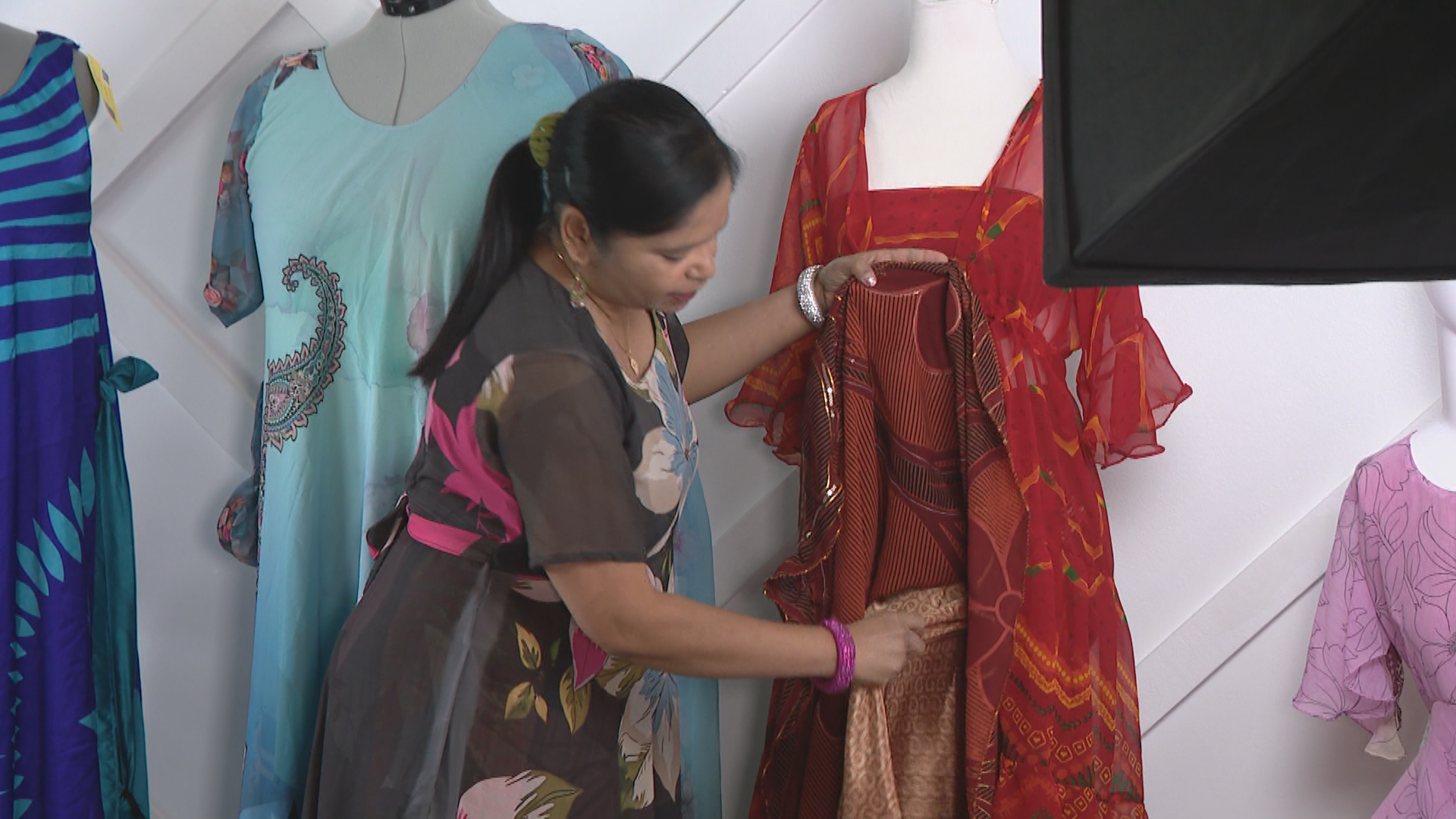
Fast fashion loves to churn out disposable trends, but real sustainability happens when people refuse to let beautiful materials go to waste. Satya Muktinutalapati runs a slow-fashion business right out of Saskatoon called Rangeelaa, and she's spent years turning discarded saris into skirts, dresses, and accessories.
If you think recycling old textiles is easy work, think again. Keeping thousands of traditional garments out of landfills requires patience, a dedicated team overseas, and a refusal to cut corners. For a more detailed analysis into similar topics, we suggest: this related article.
How Rangeelaa Turns Old Fabrics Into New Clothing
Satya started her journey in Yorkton before relocating to Saskatoon in 2019. Since then, her mission has stayed dead simple: waste no fabric.
Traditional saris feature intricate weaves, vibrant colors, and yards of high-quality silk or cotton. When people discard them, mountains of durable textile end up in landfills. Satya intercepts that waste chain. She works with a team of ten artisans in India who meticulously dismantle, inspect, and repurpose these garments. For broader details on this development, extensive reporting can be read on ELLE.
This isn't mass production. Her artisans make no more than two items a day. Every single piece gets individual attention because old fabrics require careful handling. If you rush the process, you ruin the material.
The Reality of Running a Slow Fashion Business in Saskatchewan
People love the idea of sustainable fashion until they look at the logistics. Operating out of Saskatoon while managing production in India brings constant hurdles.
Then came the economic pressure. With roughly 80 per cent of Rangeelaa's customer base located south of the border, recent American tariff changes hit hard. Paying up front for customs fees—an extra 30 to 35 per cent—destroys profit margins. Small business owners face brutal trade realities that big box retailers easily absorb.
Despite the financial squeeze, the community keeps the doors open. Loyal buyers who discovered the brand years ago stick around. Many customers didn't know much about saris at first, but shopping turned into an education on textile heritage.
Why Upcycling Matters More Than Ever
Every sari saved from a landfill represents a rejection of disposable culture. The fashion industry produces millions of tons of textile waste yearly, and synthetic blends dominate the market. Repurposing natural, pre-loved fabrics preserves craftsmanship that modern factories cannot replicate.
If you want to support sustainable clothing, look past greenwashed brand labels. Support small operations that treat materials with respect and pay fair wages to skilled craftspeople. Stop buying cheap clothes that fall apart after three washes. Invest in pieces with a real history.