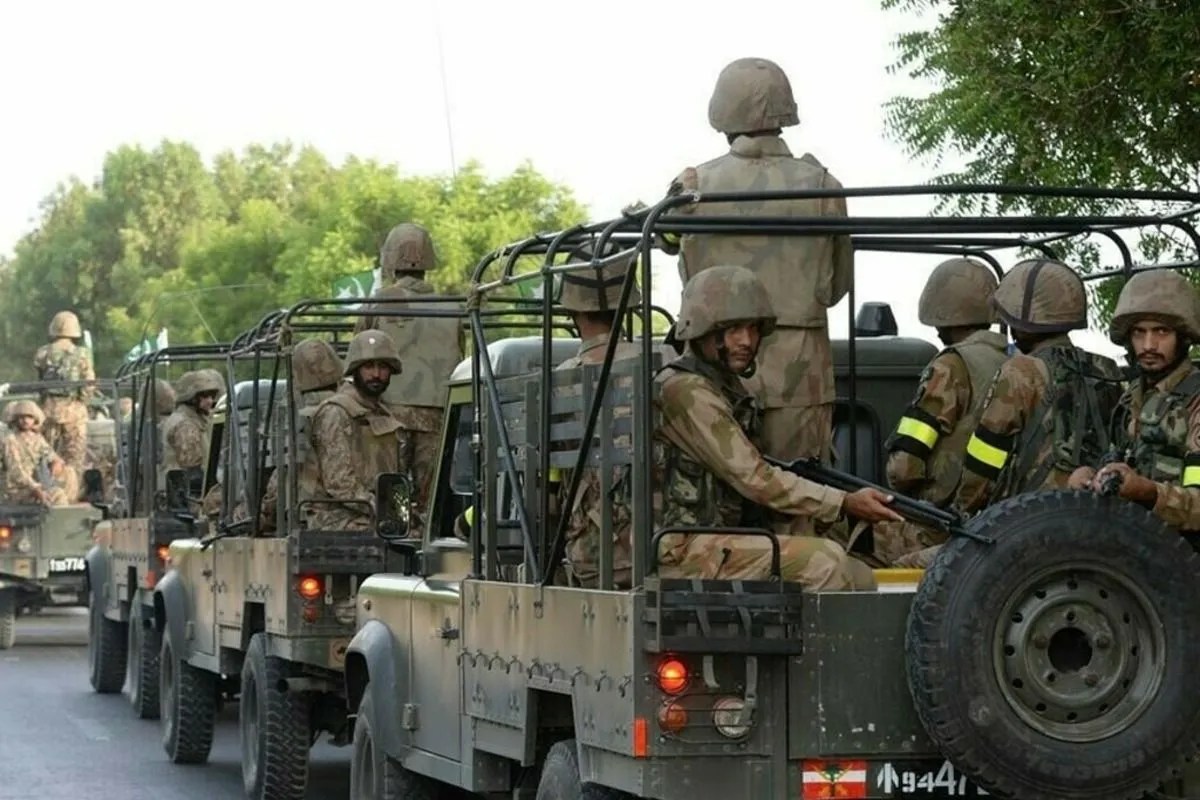
Whispers inside Islamabad's corridors carry an unmistakable sense of urgency. When Pakistan's interior minister took a flight to London for a ninety-minute closed-door summit with President Asif Ali Zardari, observers instantly knew routine diplomacy wasn't on the agenda. Carrying a direct message from military chief Field Marshal Asim Munir, the visit thrust long-simmering debates about federal restructuring right back into the spotlight.
Behind closed doors, the conversation tackled a heavy topic: restructuring Pakistan's administrative boundaries. From breaking up the traditional four-province power structure into twelve to fifteen smaller units to rumors of a sweeping constitutional shift like a 28th Amendment, the proposals threaten to scramble the nation's political landscape entirely.
The Real Agenda Behind the London Summiteering
Most mainstream analysis misses the real motivation driving these high-level maneuvers. The ruling coalition, including the Pakistan Peoples Party (PPP) and the Pakistan Muslim League-Nawaz (PML-N), operates on a fragile balance of regional power. The PPP holds a firm grip on Sindh, while the PML-N dominates Punjab.
When talks pivot toward breaking massive provinces into smaller administrative blocks or granting more fiscal control to the center under revised frameworks, political heavyweights like Zardari tense up. Splitting established territories directly alters electoral arithmetic. It dilutes regional fiefdoms and concentrates authority closer to the military establishment.
Interior Minister Mohsin Naqvi's recent public messaging reflects this shift. He argued that current governance models have broken down completely, suggesting that administrative resets shouldn't be blocked by political gatekeepers. But critics and veteran politicians are already drawing parallels to historic missteps, pointing back to the disastrous "One Unit" scheme from decades past that attempted to unify West Pakistan under centralized rule before collapsing under its own weight.
Why the Map Redrawing Stirs Deep Resistance
Redrawing boundaries in South Asia is never just about administrative efficiency. It touches raw nerves regarding ethnic identities, linguistic lines, and local autonomy.
- The Sindh Dilemma: The PPP fiercely resists any attempt to carve up Sindh, viewing it as an existential threat to its core political base.
- The Punjab Friction: Proposals to create separate administrative zones, such as a Saraiki province within Punjab, spark fierce pushback from regional leaders who fear a dilution of their voter base.
- The Center Versus Provinces: Debates over the National Financial Commission (NFC) Award and decentralizing authority show that the core argument remains about who controls the budget and resources.
Defense Minister Khawaja Asif recently accused coalition partners of double standards, noting that parties readily support carving up rival strongholds while crying foul when their own backyard is targeted. Meanwhile, opposition figures like the exiled founder of the MQM have warned that these quiet maneuvers could push the nation into a severe political flashpoint.
What Happens Next
The friction between civilian leadership and military planners is out in the open. As discussions continue between London and Islamabad, the path forward remains messy.
Passing sweeping constitutional amendments without broad consensus risks triggering massive street protests and deepening regional alienation. If the establishment tries to muscle through a structural overhaul, it might achieve short-term consolidation of power, but it risks fracturing an already fragile federation.
Watch how the coalition votes on upcoming legislative packages. That will tell you whether the map-redrawing effort is moving from quiet boardroom whispers to reality.