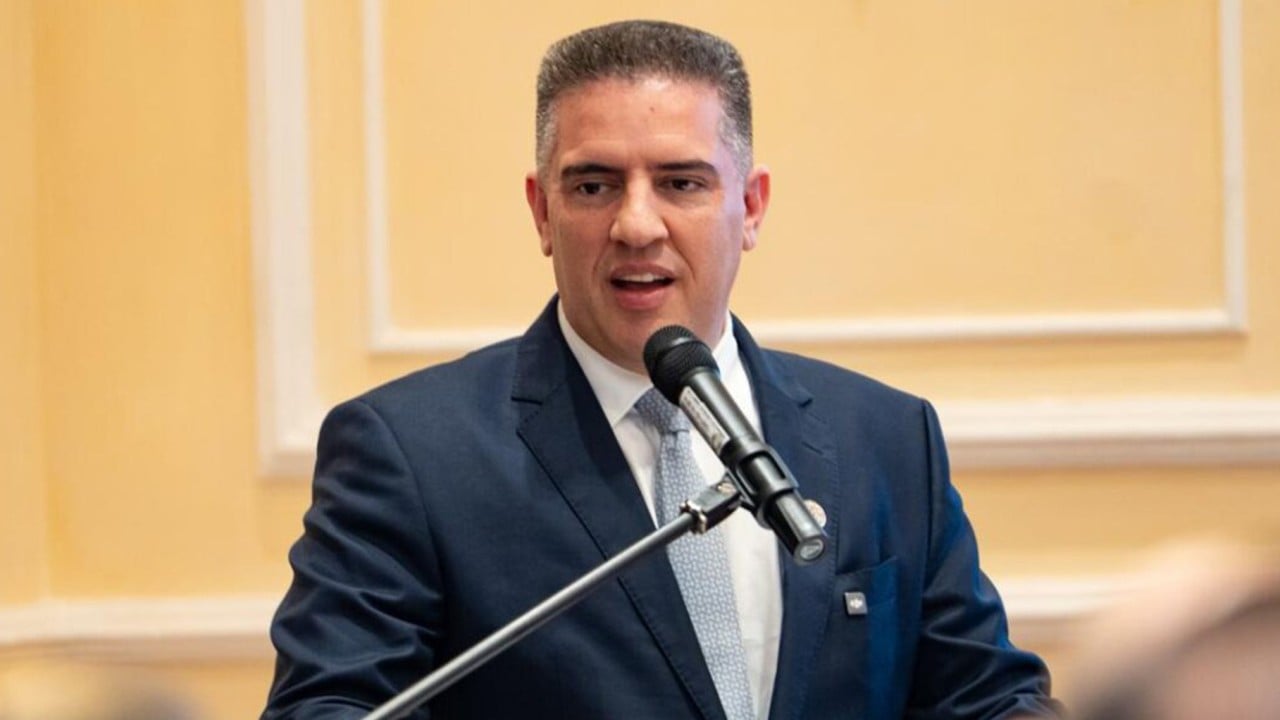
When Beijing decided to punish Paraguay's technology minister with personal sanctions, the expected reaction was retreat. It didn't happen. Gustavo Villate, who leads Paraguay's Ministry of Information and Communication Technologies, did the exact opposite. He doubled down on his country's partnership with Taiwan and made it clear that diplomatic alliances aren't up for grabs.
China's recent wave of penalties targeted Villate alongside Belize's foreign minister, Francis Fonseca, hitting them with asset freezes and visa bans over their continued recognition of Taiwan. Beijing claims self-governing Taiwan as its territory and regularly tries to squeeze its remaining twelve global allies. But instead of backing down, Paraguay's tech leadership responded by accelerating joint digital infrastructure projects with Taipei, including the Yguazú Digital artificial intelligence hub.
The Real Cost of Sovereign Foreign Policy
Let's be honest. For a landlocked South American nation, maintaining formal ties with Taiwan while sharing a massive appetite for agricultural exports with China is a delicate balancing act. Paraguay's massive soy and beef sectors rely heavily on Chinese demand. Critics often argue that Asunción should cut diplomatic ties with Taipei to unlock direct commercial windfalls from the world's second-largest economy.
Yet, President Santiago Peña’s administration refuses to play along with that ultimatum. The recent sanctions arrived hot on the heels of mounting cyber security tensions, where Paraguayan state systems faced digital intrusions tied back to Chinese actors—allegations Beijing flatly denies. When political pressure mounts through cyberattacks and visa bans, smaller nations face a stark choice: bend the knee or build resilience. Paraguay chose the latter.
Why Digital Infrastructure Matters More Than Empty Rhetoric
Villate isn't just offering empty political defiance. He is anchoring Taiwan's relationship with Paraguay in tangible, everyday technology. Think about the projects currently underway:
- The Yguazú Digital AI center designed to modernize local computing power.
- Specialized polytechnic institutions training local engineers.
- Advanced technology parks aimed at escaping traditional commodity dependence.
These aren't symbolic gestures you read about in a press release. They represent structural investments that give Paraguay real digital sovereignty. When a country builds its tech backbone alongside a trusted partner, threats from foreign ministries lose their teeth.
What the West Gets Wrong About Latin American Diplomacy
Observers in Washington and Brussels often treat Latin America as a passive chessboard where superpowers dictate the moves. That perspective ignores local agency. Paraguay has maintained diplomatic relations with Taipei for over seven decades. It's a historic commitment rooted in mutual respect and democratic alignment, not a temporary transactional arrangement.
China's foreign ministry labeled the targeted ministers as separatists and warned others against crossing Beijing's core interests. But symbolic asset freezes against officials who hold no assets in China are practically weightless. They serve as a warning shot to other nations, yet they often backfire by hardening resolve on the ground.
If you want to understand how modern geopolitics actually works, look past the grand trade agreements and watch the local ministers on the front lines. Paraguay isn't budging. Stop expecting small nations to fold the moment a superpower raises its voice. Sovereignty still counts, and digital independence is the newest battleground where small countries are learning to fight back.