When a city of millions fails its most vulnerable, the excuses usually start pouring in immediately. Former Paris Mayor Anne Hidalgo recently pointed to a "collective failure" within public institutions following revelations of widespread abuse in state-run nurseries and primary schools. Police are currently investigating more than 200 allegations of violence, mistreatment, and sexual abuse spanning over a decade. It's a dark chapter that forces a hard look at how municipal oversight can completely derail when accountability is spread too thin.
If you are wondering how hundreds of allegations could pile up over ten years without triggering a swift administrative fix, you are looking at a classic symptom of bureaucratic shielding. The crisis centers around extracurricular activities, lunch breaks, and rest periods inside the French capital's public school framework. Parents trusted the system. That trust was broken repeatedly.
The Anatomy of a Decade-Long Blind Spot
How does a municipal government miss or minimize warning signs for ten years? According to Senate hearings and investigative reports, the cracks in the armor began showing long before anyone decided to sound the alarm loudly. Initial reports date back to 2014. Yet, systemic reporting mechanisms experienced significant pauses, and recommendations from the Paris General Inspectorate were only partially implemented.
Senators, including Agnès Evren, have pointed out glaring shortcomings in City Hall's internal checks and balances. When watchdogs hand over clear directives, letting them sit on a desk is institutional negligence. Hidalgo and her former assistant, Emmanuel Grégoire, now find themselves heavily targeted by the justice system and facing investigations over alleged failures to assist people in danger.
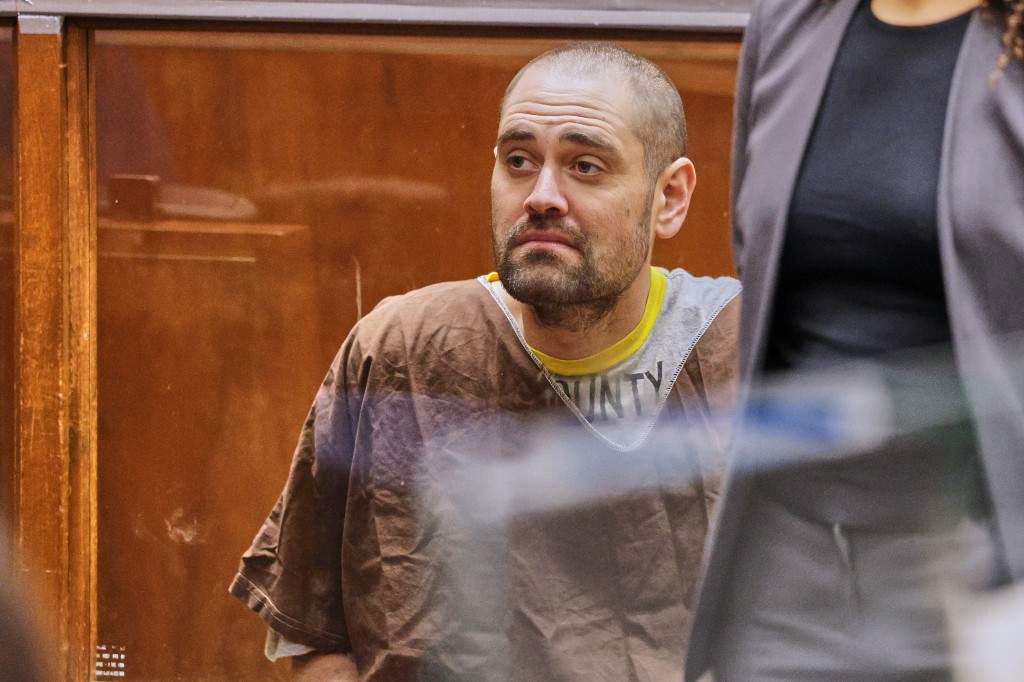
Meanwhile, courtrooms are beginning to hand down verdicts. A Paris court recently sentenced a former after-school activity supervisor to five years in prison, with four years suspended, following convictions related to the assault of children. Ankle tags and prison sentences offer a measure of legal closure, but they don't fix the underlying administrative rot.
Where Accountability Gets Lost in Translation
When leaders use phrases like "collective failure," it often sounds like an attempt to dilute personal responsibility. If everyone is responsible, no one is.
Parent collectives, such as SOS Périscolaire, have openly expressed deep frustration with these political deflections. They argue that pointing to systemic dysfunction is a convenient shield for officials who ignored red flags. When you decentralize monitoring or rely heavily on underpaid, poorly vetted seasonal workers for extracurricular hours, oversight slips through the cracks.
- Vetting Gaps: Temporary and after-school monitors often face less rigorous background checks than permanent teaching staff.
- Reporting Bottlenecks: When complaints from parents bounce between municipal offices and school administration, accountability evaporates.
- Delayed Intervention: Internal audits that take years to translate into policy changes protect institutions rather than children.
What Needs to Change Right Now
Fixing institutional child protection requires more than apologies and Senate testimonies. It demands operational changes that dismantle bureaucratic red tape.
First, independent oversight must replace internal municipal reviews. When a city investigates its own departments, conflicts of interest are guaranteed. Second, whistleblower protections for school staff and after-school monitors need immediate strengthening. If an educator notices inappropriate behavior, reporting it shouldn't require risking their career or navigating a labyrinth of administrative silence.
Parents deserve direct, unvarnished transparency when safety protocols fail. Until cities prioritize child protection over political optics, scandals like the one shaking Paris will keep repeating themselves in different forms across the globe.