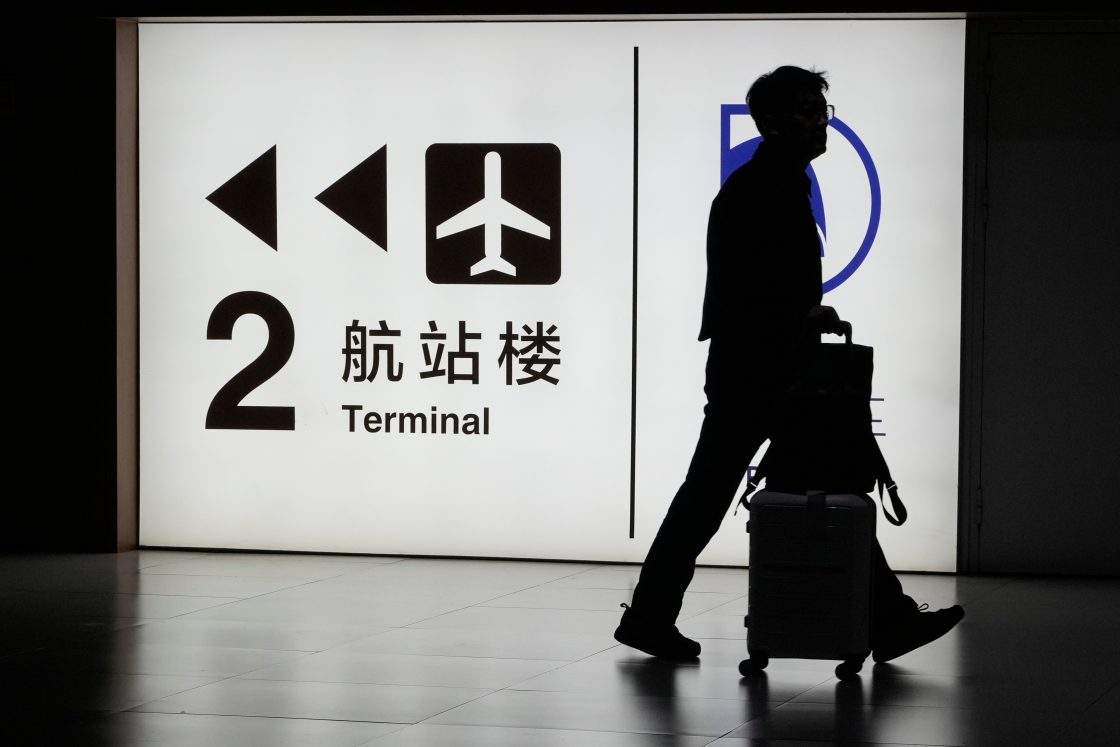
Borders are closing faster than most people realize. If you hold a Chinese passport and work in a sensitive sector, packing your bags just got infinitely more complicated.
Beijing’s updated exit and entry regulations officially link border control directly to national and industrial security. Let's skip the diplomatic sugarcoating. This framework means that crossing a checkpoint is no longer just a travel logistics issue. It is a state security clearance test.
If you violate technology export controls or move critical intellectual property abroad in a way that threatens national technological security, authorities can slap you with an immediate exit ban. That means engineers, AI researchers, and high-tech executives are effectively tethered to domestic soil if the government suspects their knowledge or assets might leak to foreign competitors.
The High-Tech Catalyst Behind the Rules
Why right now? Look at the fierce geopolitical race for artificial intelligence and semiconductor dominance.
When tech giants collide across Pacific markets, talent becomes the most heavily guarded resource on the planet. High-profile international acquisition attempts—such as regulatory blocks on cross-border startup takeovers—highlight how nervous Beijing is about homegrown innovation walking out the door.
The government isn't targeting ordinary tourists heading out for a standard vacation. Official statements insist these measures aim squarely at illegal cross-border schemes, telecom fraud, and unauthorized tech transfers. But the language inside Article 4 of the new provisions relies heavily on broad terms like "may endanger" industrial security. That ambiguity gives enforcement agencies massive discretion.
When discretion is broad, caution becomes mandatory.
The Chilling Effect on Global Mobility
You don't need an active travel ban handed down by a judge to feel the impact. The psychological weight alone changes behavior overnight.
For years, court databases have shown a staggering rise in exit bans deployed across civil and commercial disputes. Now that technological sovereignty has joined the official statutory list, multinational firms and domestic researchers face a new reality. People working in sensitive fields are self-censoring. They cancel international conference appearances, rethink global collaborations, and separate their digital footprints entirely.
- State-owned enterprise employees and public sector workers have surrendered passports or faced strict internal travel pre-approvals for years.
- Private sector financial workers and tech specialists now travel without sensitive corporate documents, relying on separated data pipelines.
- Foreign nationals face tighter entry penalties too, including one-to-five-year bans for minor discrepancies or false statements on visa applications.
What This Means Moving Forward
If you manage global teams or work on the bleeding edge of tech development involving Chinese entities, traditional assumptions about cross-border mobility are dead.
Compliance isn't just about tax filings or local labor laws anymore. You have to track how domestic policy shifts can instantly strand key personnel or freeze international mobility. Keep a close eye on administrative interpretations, because in this environment, a single regulatory gray area can turn a routine business trip into a permanent stay.