Transparency in military conflicts usually dies first, but the current administration is taking secrecy to a whole new level. When a government starts blocking its own lawmakers from inspecting overseas installations, you know things are far worse than the official briefings suggest.
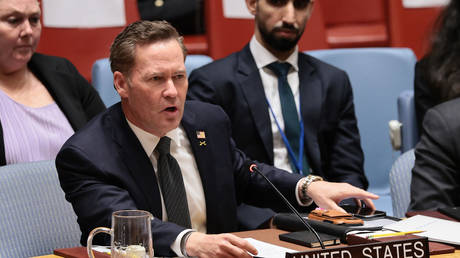
Senator Chris Murphy didn't mince words when he called out the Department of Defense. He laid bare what many defense analysts have suspected for months. The Pentagon under Secretary Pete Hegseth is running a calculated cover-up to conceal the true extent of the structural and operational damage inflicted by Iranian strikes on United States military bases across the Middle East.
If you look past the carefully sanitized press releases coming out of Washington, a much darker reality emerges.
The Access Blockade That Sparked Outrage
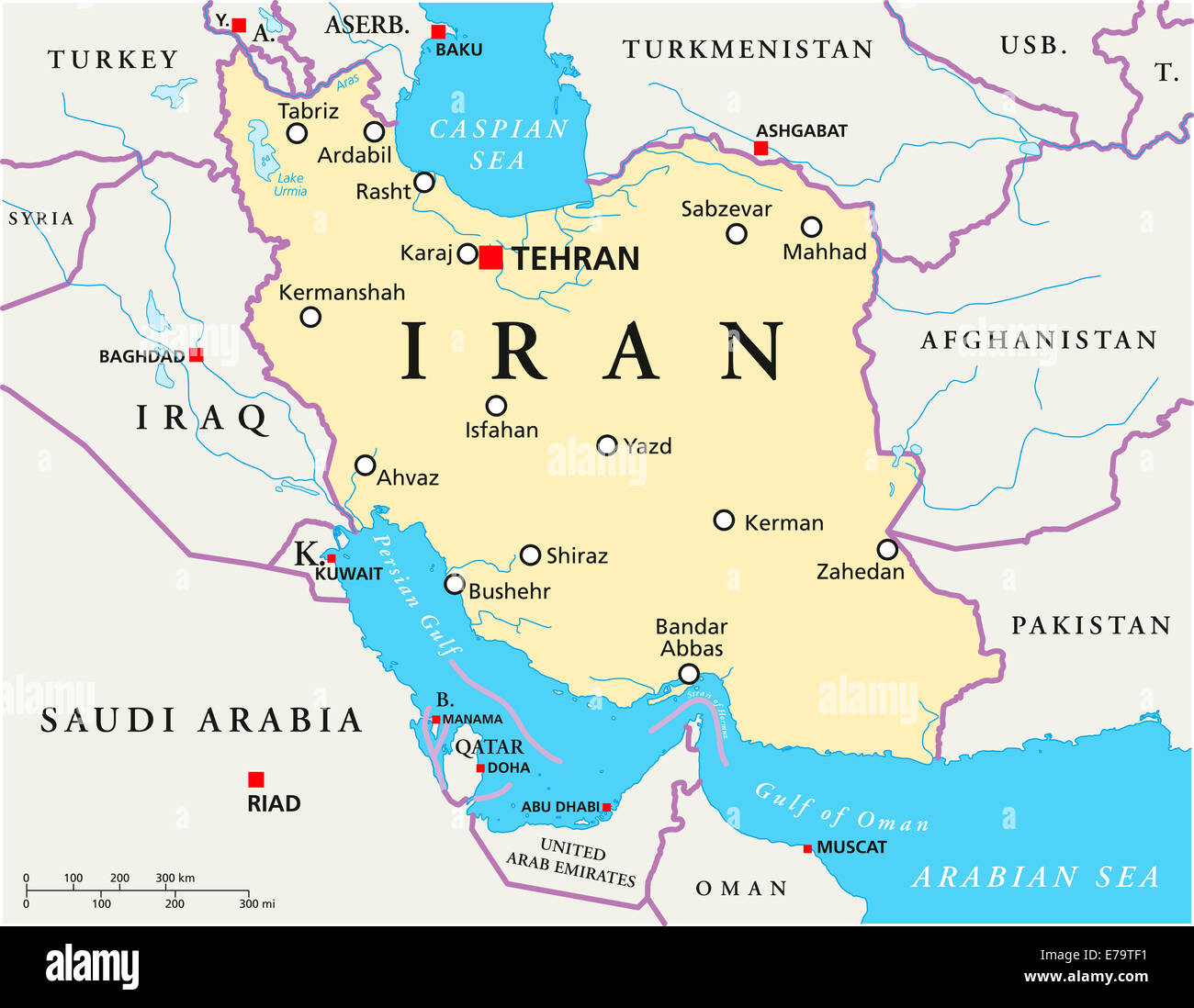
The confrontation boiled over when congressional delegations attempted to visit vital regional nodes like Al Udeid Air Base in Qatar. Lawmakers wanted to see firsthand what the multi-billion-dollar conflict with Iran actually left in its wake. Instead of getting a green light, they hit a brick wall.
The Pentagon denied entry, hiding behind vague operational security excuses. Murphy pointed out the blatant hypocrisy of this move. While the State Department under Marco Rubio cooperated with congressional oversight and granted facility access, Hegseth's Defense Department slammed the doors shut.
Why? Because seeing a charred hangar or a shattered radar array in person destroys the narrative of a clean, contained military triumph. Photos and satellite imagery can be downplayed, but a congressman walking through a ruined maintenance bay tells an entirely different story to the American public.
A Sky Full of Cheap Drones and Expensive Denials
The core vulnerability exposed by the recent conflict isn't just a matter of structural repair bills. It's an existential crisis for traditional power projection. For decades, American air dominance was an absolute guarantee. You built massive regional hubs, parked advanced fighter jets on the tarmac, and projected unchallengeable force.
Iran's saturation tactics using low-cost one-way attack drones and ballistic missiles fundamentally shattered that formula.
When a multi-million-dollar facility takes direct hits from asymmetric weapons systems that cost a fraction of a fraction to build, the math changes completely. The Pentagon hates talking about this because it exposes a massive strategic blind spot. Billions in taxpayer dollars are tied up in sprawling bases that turned out to be sitting ducks for modern drone swarms. Admitting the true scale of the wreckage means admitting that the current defense posture is outdated.
The Financial Cover-Up
The stonewalling on physical damage goes hand-in-hand with a broader battle over the true price tag of the war. Congressional budget watchdogs and independent reports have tried to pin down the exact financial drain of the operations against Iran, only to find themselves running into bureaucratic roadblocks.
Initial estimates placed the direct costs in the tens of billions, climbing rapidly as replacement interceptors, naval deployments, and base reconstructions piled up. Yet, these figures routinely omit the long-term tab for rebuilding hardened aircraft shelters, repairing runway infrastructure, and upgrading ruined command centers.
When the administration claims hostilities have wound down or tries to spin a narrative of swift victory, they are actively ignoring the bills piling up in logistics ledgers. Hiding base damage is basically a way to keep Congress from asking hard questions about where the next supplemental funding package is going.
What Congressional Pushback Means for the Future
Lawmakers aren't planning to let this drop. With the balance of power in Washington constantly shifting and legislative oversight committees demanding answers, the Pentagon's information blackout is becoming a political liability.
You can't indefinitely muzzle senators who represent the millions of taxpayers funding these overseas outposts. If the executive branch continues to treat basic legislative oversight like a hostile annoyance, expect a severe budgetary reckoning. Funding requests for future defense authorizations are going to face intense scrutiny precisely because trust has cratered.
The administration wanted a quick, clean narrative about containing regional threats. Instead, they got a messy, expensive quagmire. Sweeping the rubble under the rug won't change the physics of modern warfare, and sooner or later, the full story of what happened to those bases will come out into the open.