Hold on. An American citizen in an immigration detention cell sounds like a clerical glitch or a bad rumor, right? Except it isn't. Across 2025 and 2026, hundreds of American citizens detained by ICE have come forward with accounts, videos, and legal records that challenge the comforting idea that carrying a birth certificate or speaking English automatically keeps you out of federal custody.
I've spent years reading immigration dockets, civil rights filings, and federal watchdog audits. What struck me most in the wave of reporting from late 2025 through autumn 2026 isn't just that mistakes happen during high-volume enforcement. It's how quickly an ordinary Tuesday—riding an e-bike, driving relatives to a court date, working a security shift, or filming an enforcement stop—can turn into hours or days of handcuffs, zip ties, and contested stories.
The Department of Homeland Security has flatly denied detaining or deporting U.S. citizens in public statements, calling those claims false. Yet investigative reporting by ProPublica, advocacy documentation from the ACLU, and audits from the U.S. Government Accountability Office point to a much messier reality. When enforcement ramps up and databases lag behind real life, citizens get caught in the dragnet.
Why American Citizens Detained by ICE Keep Happening
Most folks assume immigration enforcement only touches people without legal status. That's a myth. Immigration agents don't carry a live, infallible registry of every American citizen on the street, and street-level operations move fast.
According to ProPublica's reporting in October and November 2026, federal agents detained more than 500 U.S. citizens during the crackdown that expanded in 2025. Many of those cases involved people caught near enforcement targets, mistaken for someone else matching a description, or detained while filming, questioning, or protesting agents. In other instances, family members and bystanders—including minors—were swept up during vehicle stops or raids.
Why does this keep recurring across administrations and enforcement surges? Because immigration databases aren't built as real-time citizenship verification tools. A person's name, birth date, or family ties can trigger flags in federal systems, or an officer on the scene may demand proof of status before checking records properly. Once handcuffs go on, proving citizenship from the back of a vehicle or a processing room isn't as simple as telling an officer you were born in the U.S.
Earlier federal oversight already warned about weak tracking. A July 2021 GAO audit found that between fiscal year 2015 and March 2020, ICE data indicated the agency arrested 674, detained 121, and removed 70 potential U.S. citizens, while issuing detainers for at least 895 potential citizens—roughly three-quarters of which were later canceled. Even more tellingly, the GAO pointed out that ICE's data systems didn't reliably update citizenship status after agents encountered evidence of citizenship, meaning official numbers often understated the problem.
The Stories Behind the Numbers
Statistics can make human shock look like a spreadsheet. The testimonies collected by journalists and civil rights groups over the past year show how disorienting these encounters are for the people living through them.
Take the case of Ricardo Gonzalez in Long Beach, California, reported by PBS NewsHour and ProPublica in October 2026. Video footage showed him riding an e-bike near an unmarked ICE vehicle before a collision and arrest, leaving him injured and crying out in pain with a broken arm while handcuffed. Federal officials alleged he was rioting and damaging a government vehicle, while witnesses and footage raised sharp disputes over what occurred.
In Massachusetts, teenager Ana Michelle Ramirez Sanan described seeing agents intercept family members driving her uncle to a court appearance in September 2025, as documented in ProPublica's November 2026 photo essay. Both she and her 13-year-old brother—who has autism and struggled to explain legal status under pressure—are U.S. citizens. They were released that same day, while DHS denied they were detained and stated agents used appropriate force targeting the uncle. Still, the psychological fallout lingered long after the handcuffs came off.
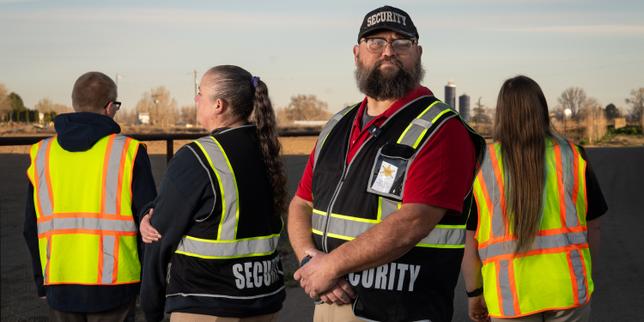
In Idaho, families attending an event near a track described sudden chaos when a raid unfolded, including a security worker who said a flash-bang was thrown near him and his son and a mother who said she was zip-tied beside her young child while waiting to establish their status. And in Louisiana, an immigration attorney who is a U.S. citizen reported being shackled and held for hours after filming client detentions, leaving her young children waiting with agents until relatives could pick them up.
Each case comes with competing narratives. DHS routinely disputes allegations of wrongful detention or excessive force. Bystander video, medical records, and sworn statements often tell a very different story.
What People Get Wrong About Rights and Accountability
Honestly, a lot of bad legal advice circulates online right after a viral clip hits social media. Let's clear up a few common misconceptions without pretending every legal question has an easy answer.
"If I'm a Citizen, I Can Just Refuse to Answer Anything"
You have constitutional protections, yes—including Fourth Amendment protections against unreasonable searches and seizures and Fifth Amendment protections against self-incrimination. In practice, though, street encounters with armed officers are volatile. Arguing legal theory on a sidewalk rarely convinces a stressed agent to unhook handcuffs.
Staying calm, clearly stating that you are a U.S. citizen and do not consent to a search, and avoiding physical interference are usually the smartest moves in the moment. If you're detained, asking repeatedly for a lawyer and declining to sign documents you don't understand matters a great deal.
"Filming Agents Is Always Protected Without Risk"
People often assume filming from a public sidewalk gives you a forcefield. Legally, observing and recording police or federal officers in public is widely recognized under First Amendment principles, provided you aren't physically obstructing an operation or crossing safety lines.
In reality, citizens who film enforcement actions have still been detained, pushed, or arrested—sometimes facing allegations of obstruction that are later dropped or contested in court. Knowing your right exists isn't the same as having instant immunity in the heat of the moment.
"Bad Enforcement Always Leads to Quick Discipline"
It's tempting to think a shocking video automatically triggers firings or civil payouts. Accountability in immigration enforcement is notoriously slow and fragmented. Internal reviews, qualified immunity doctrines, overlapping federal and local jurisdictions, and high legal hurdles for suing federal officers all slow down consequences.
Even congressional oversight has highlighted strain inside the system. In a November 2026 release examining a GAO review of detention operations, lawmakers pointed to empty detention beds paid for under contracts, costly property purchases, and severe vacancies among staff responsible for validating facility invoices while facility counts expanded. When oversight staff are stretched thin, catching mistakes before they hurt people gets even harder.
Why This Matters Beyond Immigration Politics
You don't have to hold one single view on border enforcement or deportation policy to care about what happens when U.S. citizens are detained. That's what makes this issue tricky—and why people sometimes talk past each other.
Supporters of aggressive enforcement argue that officers face chaotic, dangerous scenes and need broad latitude to secure targets and protect themselves. Critics counter that speed and quotas shouldn't come at the expense of due process, accurate records, or basic restraint around citizens and children. Both sides can agree on one basic standard: if federal agents hold an American citizen, the system should catch it immediately, treat them lawfully, and keep accurate records of what happened.
When records are sloppy and denials are automatic, public trust takes a hit across the board. A country where citizens worry about proving who they are during a routine errand is dealing with a governance problem, not just a headline.
Practical Next Steps If You or Your Family Face an Encounter
Preparation won't prevent every mistake by an agency, but it can protect you and help your family act fast if something goes wrong.
- Keep digital and physical copies of proof of citizenship accessible: Carry or store photos of a U.S. passport, birth certificate, or certificate of naturalization in a secure place accessible to a trusted family member, while keeping originals safe at home. Don't rely on memory alone if someone else needs to vouch for you quickly.
- Share your live location and emergency contacts: Make sure a partner, parent, or close friend knows your routine, has your full legal name and date of birth, and knows which immigration or civil rights legal hotlines operate in your state.
- Document facts safely after the fact: If you or someone you know is detained, write down badge numbers, vehicle descriptions, times, locations, hospital visit details, and witness names as soon as it's safe. Save any video footage immediately and back it up to the cloud.
- Contact legal aid promptly: Reach out to a civil rights organization, legal aid clinic, or licensed attorney before giving detailed statements or signing paperwork, especially if injuries, minors, or disputed charges are involved.
Paying attention to these testimonies isn't about taking a partisan shortcut. It's about looking closely at how laws work on the ground when pressure is high and margins for error are thin.