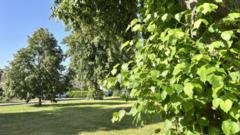
You are walking through a park on a perfectly still, blistering July afternoon. There is not a breath of wind. The sky is a baking sheet of pure blue, and the heat feels heavy enough to crush you. Then, without a single rustle of warning, a massive oak limb the size of a minivan violently snaps and crashes to the grass.
It sounds like a gunshot. It happens in seconds.
Most people assume trees only drop limbs when a howling winter gale or a violent thunderstorm rips through town. That is completely wrong. Healthy, fully leafed trees frequently cast off massive branches during peak summer heat waves. Arborists call this phenomenon Summer Branch Drop, or sudden limb failure. It is terrifying, unpredictable, and much more complex than a simple case of a plant getting thirsty.
If you own mature trees or regularly walk near them, you need to understand what is actually happening inside that timber when the temperature spikes.
The Hidden Plumbing Crisis Inside Heat Stressed Wood
Trees are massive hydraulic pumps. They pull hundreds of gallons of water from the deep soil every single day, dragging it up through microscopic tubes called xylem and sweating it out through their leaves to stay cool. This process keeps the internal pressure steady.
When a heat wave hits, this entire system gets pushed to its absolute breaking point.
On a normal afternoon, leaves open their tiny pores to release water vapor. This creates tension that sucks more water upward. But when the thermometer climbs into the mid thirties and the air goes completely still, something weird happens. The humidity right around the dense leaf canopy skyrockets because there is no breeze to clear it away.
Suddenly, the tree cannot sweat effectively anymore. The normal flow of water slows down to a crawl.
When that water movement stalls, the internal temperature of the wood begins to climb rapidly. Some experts believe this extreme internal heat triggers a chemical reaction. The tree starts producing gases like ethylene, which actively dissolves the natural cellular glue holding the wood fibers together. The branch essentially weakens itself from the inside out while remaining completely green and healthy on the outside.
Then comes the weight issue.
Because the tree cannot transpire properly, water builds up inside the limb. Combined with a massive load of summer leaves, heavy seed pods, or seasonal fruit, the branch becomes a ticking time bomb. The internal tissues cannot support the sheer, sudden weight. The wood fails perpendicularly across the grain, leaving a stark, clean fracture that looks like it was chopped with an axe.
The Rain Trap That Triggers Sudden Collapse
It gets worse when the weather breaks.
Many documented cases of sudden branch drop do not happen during the dry spell itself, but right after it ends. Imagine a mature tree that has spent three or four weeks baking in dry soil. The wood fibers have shrunk slightly, and tiny, invisible micro cracks have formed along the undersides of the longest horizontal limbs.
Then, a sudden summer downpour hits.
The parched roots violently gulp down the sudden moisture, forcing it up into the canopy at high pressure. At the same time, the heavy leaves trap pounds of physical rainwater on their surfaces. The sudden, drastic change in weight and internal hydraulic pressure is too much for the already brittle, heat weakened wood to handle.
The limb snaps.
This is exactly why historic botanical spaces like the Royal Botanic Gardens at Kew put up massive warning signs during hot spells. They aren't worried about dead wood falling. They are worried about centuries old, structurally magnificent beech and oak trees shedding massive, living limbs onto the footpaths below.
Which Trees Are Actually At Risk
Not all trees react to heat waves the same way. If you have a young sapling in your yard, you can generally breathe easy. This issue almost exclusively targets large, mature, open grown specimens.
Forest trees rarely suffer from sudden branch drop because they grow close together, forcing their branches upward rather than outward. They protect each other from the baking sun and wind. Urban trees or park trees don't have that luxury. They spread their limbs wide to capture as much sunlight as possible, creating massive, horizontal levers that are highly vulnerable to gravity when the wood structure softens.
Certain species are notorious repeat offenders. If you have any of these on your property, keep a very close eye on them during the summer months:
- English Oak: Known for throwing massive lateral limbs without warning.
- Beech: Tight grained wood that can split violently under sudden pressure changes.
- Sycamore and London Plane: Large, heavy leaves that trap moisture and add immense weight.
- Poplar and Willow: Soft woods that naturally grow fast and lack dense structural integrity.
- Eucalyptus: Highly prone to self pruning during extended droughts to conserve water.
How to Spot a Tree That Is About to Snap
Here is the frustrating truth that honest arborists will tell you: you cannot perfectly predict a summer branch drop. A tree can look absolutely pristine from the ground, boasting a lush, vibrant green canopy with zero signs of rot, and still drop a three ton branch by tomorrow afternoon.
However, experienced tree care professionals look for subtle clues that indicate a high risk scenario.
First, look at the physical geometry of the limbs. You are looking for long, heavy, horizontal branches that extend far beyond the main structural crown of the tree. If the branch dips down significantly in the middle and then curves back up at the tip, it is already under immense mechanical stress.
Second, listen to your trees. It sounds crazy, but it works. During peak heat, stressed wood will occasionally emit low, distinct creaking or popping sounds as the internal fibers begin to shear under pressure. If you hear your mature oak clicking or groaning on a dead calm afternoon, move away immediately.
Third, check for historic wounds. Look for old pruning scars, cracks in the bark, or areas where the tree has previously lost smaller branches. These spots represent permanent structural weaknesses. When the internal hydraulic pressure shifts, these old fault lines are the first places to give way.
Stop Making These Dangerous Summer Tree Care Mistakes
When homeowners see their prized backyard trees wilting or looking stressed in a heat wave, their immediate instinct is to help. Unfortunately, standard lawn care habits often make the problem significantly worse.
The biggest mistake you can make is dragging a garden hose to the base of a heat stressed tree and soaking the ground for hours.
Sudden, massive spikes in water availability shock the tree's internal plumbing. You are essentially forcing a brittle, dehydrated pipe to handle a massive surge of high pressure fluid. If you want to water your trees during a drought, you must do it consistently before the extreme heat peaks, using a slow, overnight drip method rather than a sudden deluge.
Another major error is aggressive summer pruning.
Some people think cutting off a few branches during a heat wave will lighten the load and save the rest of the tree. It won't. Pruning during extreme heat opens fresh wounds that allow vital moisture to evaporate even faster. It also exposes previously shaded inner branches to direct, intense sunlight, causing localized bark scorching and further structural degradation.
Actionable Steps to Protect Your Property and Family
You cannot control the weather, but you can drastically lower the odds of a catastrophic branch failure hitting your home, car, or family. Take these steps before the next major heat spike hits.
Audit your yard geometry. Walk your property lines and look at any mature trees. Identify branches that hang directly over your roof, your driveway, or areas where your kids play. If those branches belong to high risk species like oak or beech, they need professional evaluation.
Mulch the root zones correctly. Apply a thick, two to three inch layer of organic wood chip mulch around the base of your mature trees. Keep the mulch a few inches away from the actual trunk to prevent rot. This layer acts as a thermal blanket, keeping the soil cool and retaining steady moisture so the tree does not experience violent hydraulic swings.
Hire a certified arborist for structural thinning. Do not hire a cheap landscaping crew with a chainsaw. You need a qualified arborist who understands crown thinning. By strategically removing specific smaller branches within the canopy, they can improve airflow through the tree. This drops the localized humidity inside the leaves, allows the tree to transpire normally during heat waves, and reduces the overall physical weight of the limb.
Establish a hot weather safety zone. When temperatures cross into the thirties and the air goes completely still, treat your mature trees with the same caution you would during a winter ice storm. Do not park your cars directly under large horizontal limbs. Move patio furniture, grills, and children's play equipment out from underneath the canopy edge.
Keep your eyes open, watch the weather shifts, and respect the immense hydraulic pressure hiding inside that summer timber.